
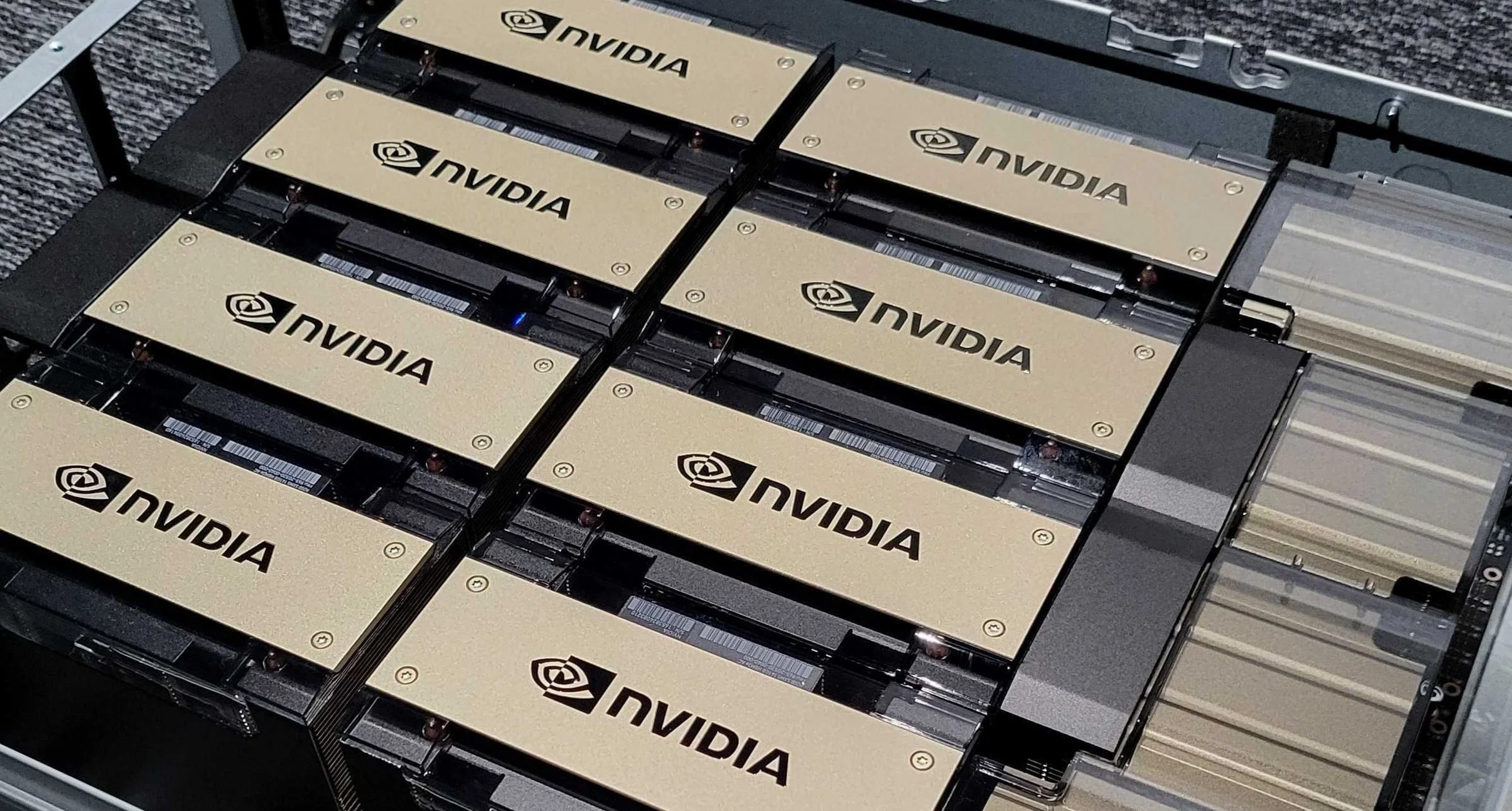
The United States has restricted the export of advanced artificial intelligence chips to China for many years, but a key loophole persists: chips can remain in third countries, such as Singapore and Malaysia, while Chinese enterprises can rent the computing capacity of these chips via the Internet. Today, Washington decided to block the passage.
On 16 November, the United States Department of Commerce, Bureau of Industry and Security, introduced new export control rules, which further extend the regulatory scope from the physical transport of advanced chips to remote computing services provided by offshore data centres.

This means that the United States ' technical restrictions on China are changing significantly: the subject of controls is no longer just where the chips are destined, but also who the chips ultimately provide the credit for.
- The new regulations require that offshore data centres that provide large-scale computing power to Chinese and other restricted State enterprises be subject to stricter end-user review and to obtain relevant clearance within a specified time frame. Some of the advanced chip transactions for Singapore, Malaysia, Thailand, Indonesia and Brazil will also be subject to new licensing requirements.
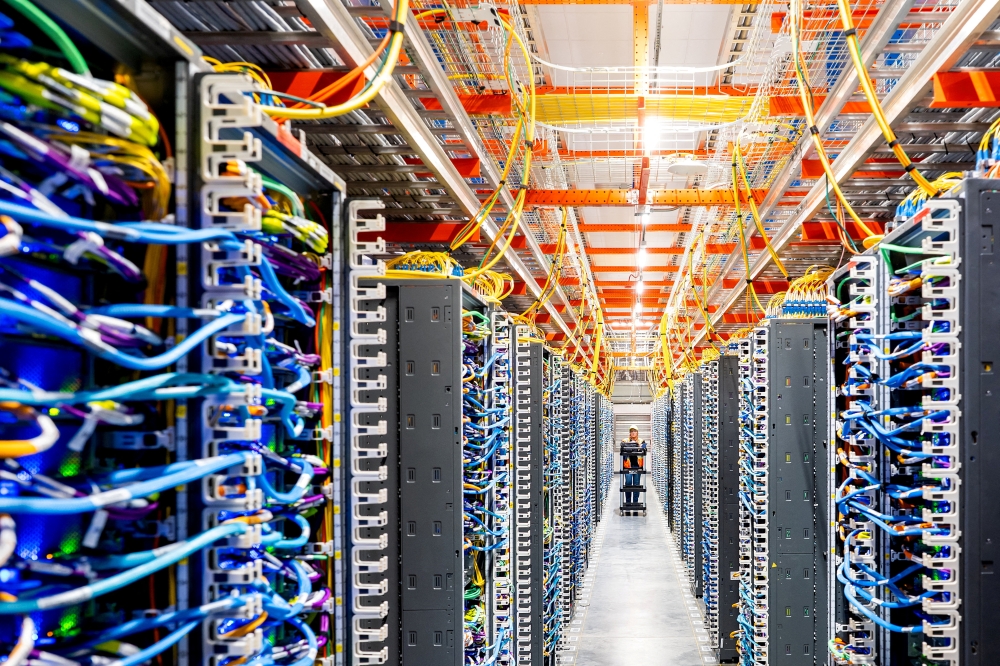
- The attention paid to these countries is closely linked to their emerging position as a repository of international artificial intelligence data centres.
In the past, even if Chinese enterprises were unable to purchase the most advanced British wida chips in the United States directly, they could pay for services outside the country, using computing resources deployed in overseas servers remotely and training large artificial intelligence models.
A commercial service chain that crosses national borders creates a systemic loophole in export restrictions that were originally directed at the physical content of chips.

The regulatory upgrade was directly related to the chip export dispute that erupted around the Singapore enterprise Megaspeed International.
原始来源 · reuters.com路透社:新加坡与美国继续讨论Megaspeed调查reuters.com ↗The company operates a computing service in South-East Asia, providing Chinese clients with access to advanced computing equipment. The United States side suspects that some of the British Weidar high-end chips may flow to Chinese clients subject to export restrictions through relevant commercial arrangements.
Megaspeed denied that the relevant export control regulations had been violated, but the incident had already attracted the attention of the United States, Singapore and Malaysian authorities.
原始来源 · apnews.com美联社:特朗普政府收紧第三国数据中心与芯片管制apnews.com ↗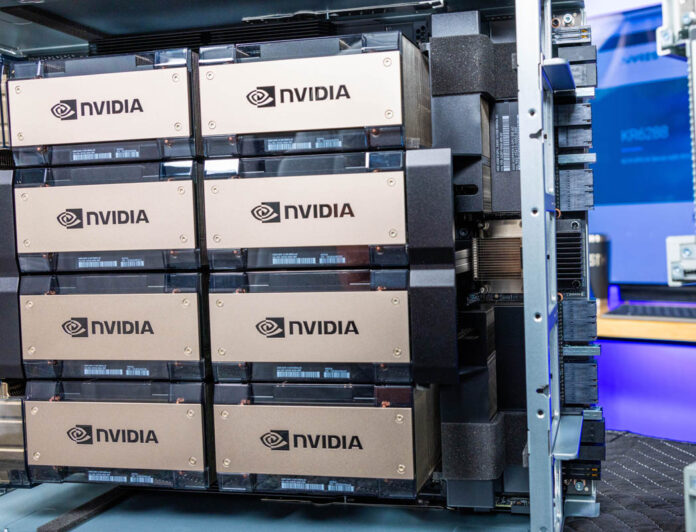
More politically, the United States Department of Commerce itself was criticized before the new regulations were introduced. Externally challenged prior failures by regulators to effectively prevent the flow of advanced chips through third countries, and to close regulatory gaps in cloud computing services outside the country in a timely manner.
The rules were developed under the leadership of the United States Department of the Treasury and the White House National Security Committee. It shows that the control of advanced artificial intelligence technologies has risen from general business management issues to an important part of United States national security decision-making.
This change directly touches on the strategic interest of developing artificial intelligence in Beijing.
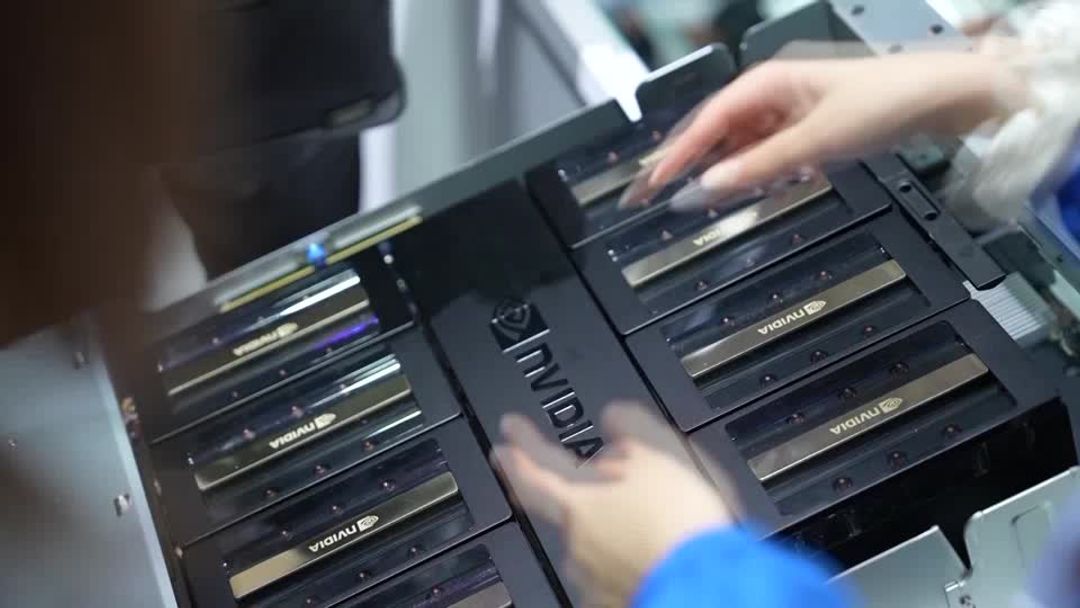
The CCP has long promoted the integration of artificial intelligence with national security, military technology and social governance systems. High performance computing resources can serve both commercial models and support intelligence analysis, military research and large-scale surveillance techniques.
The United States was concerned about the dual use of such technologies: once advanced chips were used through cross-border leases, it was difficult for the traditional customs and export licensing systems to effectively capture end-uses.
But the new regulatory measures also reveal the contradictions in US policy. While seeking to maintain the global market advantage of American chip companies, Washington is also seeking to limit access to China's national security system for sensitive technologies. There is a continuing conflict of interest between the commercial interests of science and technology companies and the strategic regulation of Governments.
The new regulations are being introduced. Trump I'm heading for China. Xi Jinping Meeting in Shenzhen. The export of chips, trade relations and artificial intelligence competition will be important contexts for relations between the two countries.
For Beijing, the space for off-shore computing to compensate for access restrictions to advanced chips is shrinking; For data centre operators in South-East Asia, customer identification and real computing applications will be subject to closer scrutiny.
This siege reveals a new stage in the competition for technology between China and the United States: the United States is no longer content to prevent China from gaining access to advanced chips, but is beginning to control the cross-border flow of advanced computing capabilities. The strategic choices of the Communist Party to integrate artificial intelligence into the national security and political control system are putting more pressure on Chinese science and technology enterprises to impose an international technology embargo.



Reader comments
Loading comments…