
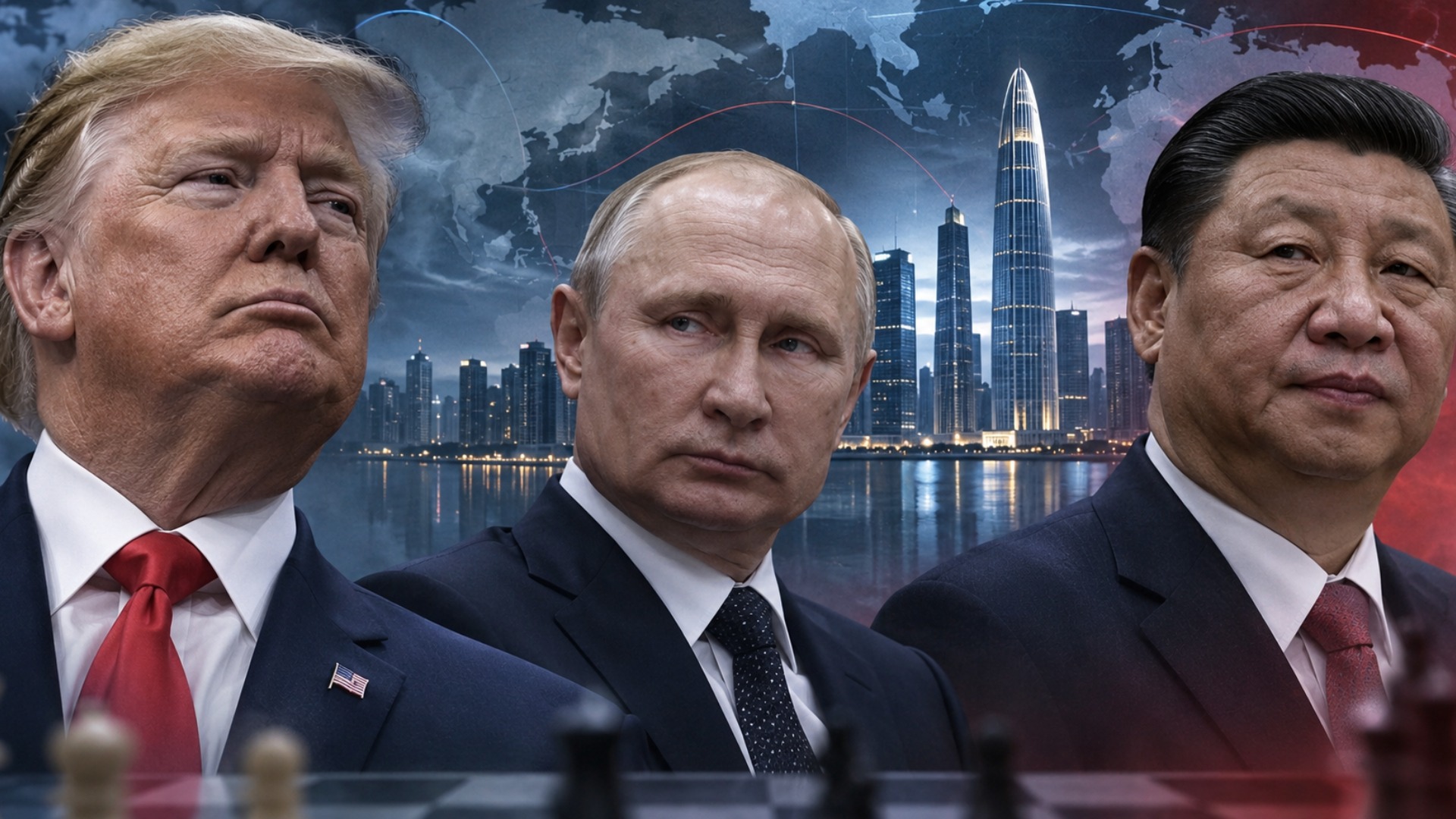
19 November, President of China Xi Jinping In Shenzhen with the President of the United States. Trump The three-party summit meeting between the heads of State of Russian President Putin. This unprecedented summit of major Powers is bringing nuclear weapons control, the war in Ukraine, the global strategic order and China ' s political security to the same negotiating table. With the tightening of technical and security restrictions on China in Washington and Moscow seeking to re-establish relations with the United States, the collapse of the Communist Party regime in 2027 has become an important political issue for observing the summit and its subsequent strategic changes.
The arrangements for the meeting of the three heads of State were officially announced by the Chinese Ministry of Foreign Affairs on 16 November. The White House of the United States and the Kremlin of Russia have also confirmed it earlier. The leaders of the three countries, while agreeing to meet in Shenzhen, have a distinct strategic demand: Trump In order to promote China ' s accession to nuclear arms control arrangements, Putin hopes that the negotiations among the major Powers will be used to address Russia ' s security and international status. Xi Jinping The Russian Federation and China are also seeking to maintain a strategic balance between China and Russia.
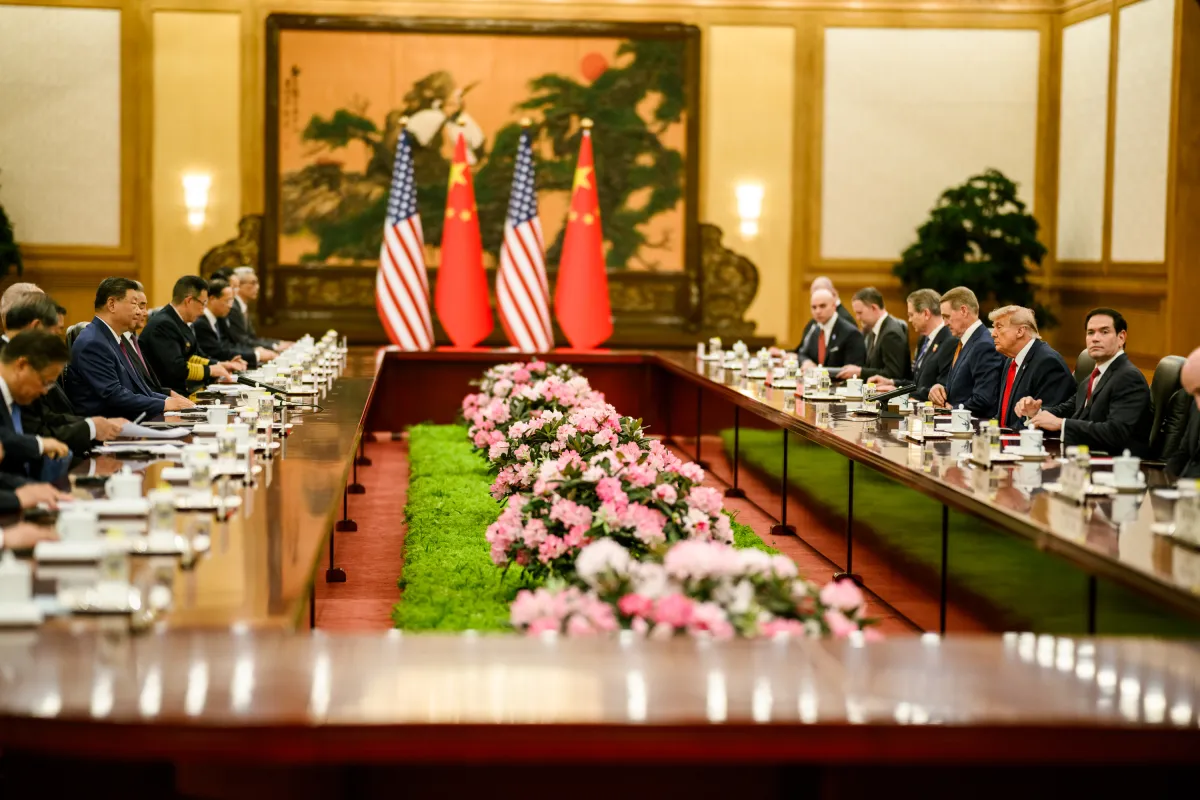
The most serious external change for Beijing was the new coordination between the United States and Russia on some of the major interests, which squeezed the diplomatic swing space on which the Chinese Communist Party had long relied.
Whether the United States and Russia will establish as a common strategic objective the weakening or even the disintegration of the Communist Party regime is not yet a officially declared policy. But several real changes have taken place in determining the future of Beijing: the US is expanding its scientific and technological restrictions and national security actions against China, Russia is seeking to improve its relations with the US, and China’s own military expansion has further exacerbated the strategic conflict with Washington.
Once these forces are superimposed, their impact will no longer be limited to general diplomatic friction, but may touch upon the international environment and economic foundations that the Communist Party needs to maintain its rule.
I'm not gonna be able to Trump The promotion of nuclear arms control has been reduced by the strategic choices in Beijing
The United States has first put the issue of China ' s nuclear forces at the centre of international strategic negotiations.
On September 25, 2026, the White House announced Trump with Xi Jinping The outcome of the talks made it clear that: Trump The United States, Russia and China were advocated for trilateral arms control negotiations. The blogger says that the government is not a party. Trump Further to make nuclear disarmament a major theme of the Shenzhen Tripartite Summit.
This policy is directly related to the nuclear power modernization programme that the Communist Party has been pursuing in recent years.
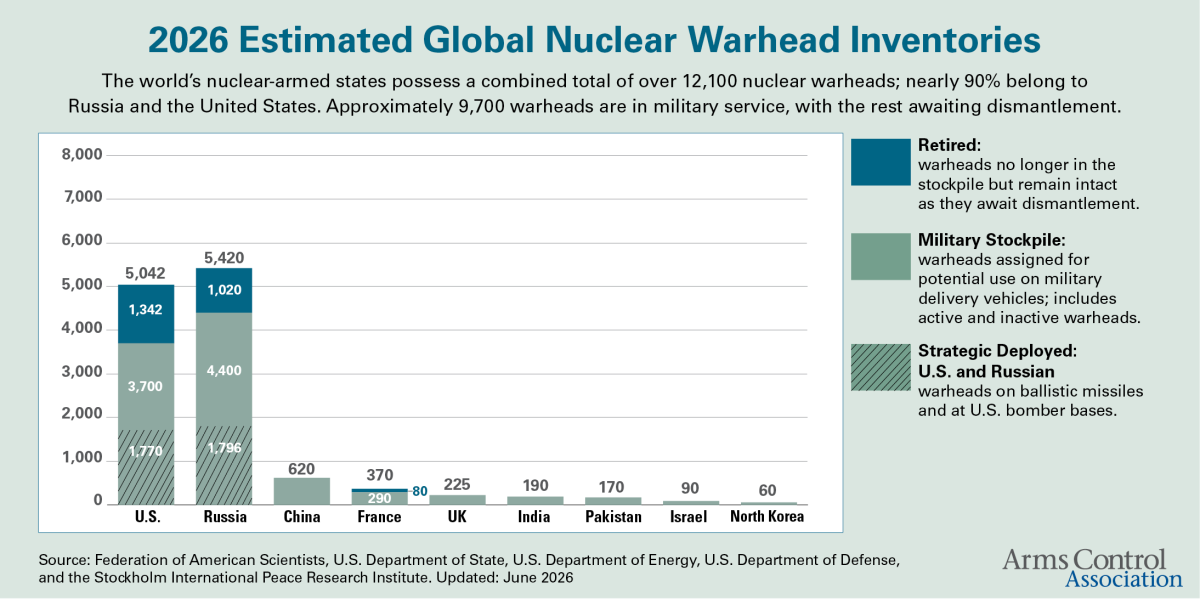
Data published by the Stockholm International Peace Research Institute for 2026 show that Russia has about 5,420 nuclear warheads, the United States about 5,042 and China about
- China ' s nuclear arsenal is still significantly smaller than that of the United States and Russia, but its nuclear power is expanding and new missile launch facilities and strategic weapons systems continue to receive attention from the United States defence sector.
Beijing has long maintained its position on the unequal number of nuclear weapons and opposes the participation at this stage in the trilateral nuclear disarmament negotiations between the United States and Russia. The Chinese diplomatic service considers that, in a situation where the United States and Russian nuclear arsenal is much larger than China, it is unfair to impose the same obligations on China.
Trump It is clear that there is no intention of continuing to place China ' s nuclear forces entirely outside the strategic arms control negotiations between the United States and Russia.
The importance of this change lies in the fact that China ' s future nuclear weapons construction may be subject to joint diplomatic pressure from the two largest nuclear-weapon States. Even if the three parties were unable to reach an immediate agreement on reductions, the topics of nuclear transparency, strategic stability and arms expansion would be long-standing in the context of US-Russian diplomatic relations.
At the same time, 2027 marks the centennial of the establishment of the Chinese People ' s Liberation Army. Xi Jinping The year had been set as a major node of military modernization, and the United States Department of Defense had followed with interest the plans of the Liberation Army to develop military capabilities around Taiwan and the Indo-India region.
The year 2027 is thus of dual strategic importance: it is an important point of time for the military modernization of the Communist Party and an important reference for the United States in assessing China ' s military capabilities and in developing regional security policies.
The contradiction between the expansion of Chinese military power and the strategic constraints of the United States is becoming a structural conflict in the relations between China and the United States that cannot be resolved through ordinary trade negotiations.
Putin seeks to reshape relations between the great powers, and Russian-Chinese cooperation is not a permanent guarantee in Beijing
Another important variable of the Shenzhen summit was Russia.
Putin needs to share his concerns with the European security order against the backdrop of the ongoing Russian-Ukrainian war. Trump To discuss Russia ' s international interests, including Ukraine, sanctions and future security arrangements.
原始来源 · reuters.com路透社:克里姆林宫谈深圳三方峰会reuters.com ↗Russia hopes to re-establish its position in decision-making in major international matters. International public opinion compared the Shenzhen Summit with the Yalta Conference of 1945 precisely because it re-emerged the political scene of the United States and Russian leaders' joint discussion of the international order.
The Yalta agreement of that year granted the Soviet Union important rights in the areas of the Sun, Dalian and the north-east China Railways, even though it also recognized China ' s full sovereignty over the north-east.
The political lesson of this history is clear: in the dealings of the major Powers, cooperation between States and territorial, military and economic interests may be incorporated into negotiations.
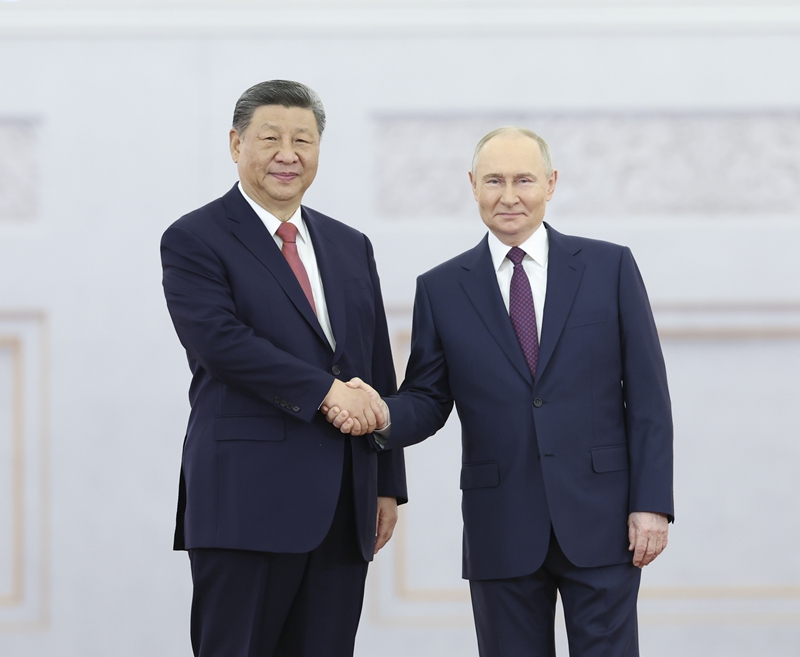
Today, Putin is with Xi Jinping Close cooperation must be maintained, but Russia ' s own national interests must also be given priority.
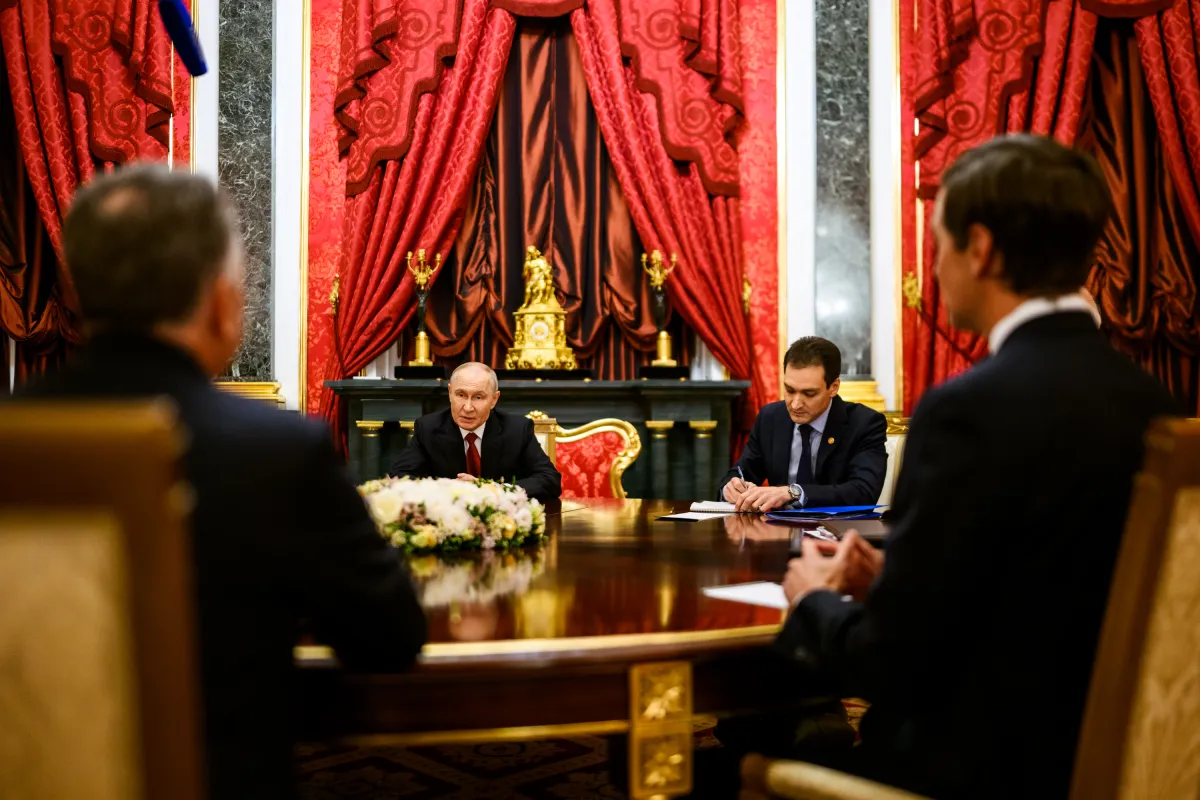
In October 2026, the Russian and Chinese sides once again reaffirmed their strategic partnership and their energy, trade and political ties remained strong. This practical cooperation has a solid basis in interest.
But Russia's drive to improve relations with the United States is equally there.
Once Moscow has been able to negotiate with Washington to gain a favourable Ukrainian arrangement, a sanctions adjustment or other strategic advantage, the degree of Russian diplomatic dependence on China may change.
The national interest in relations between China and Russia is the decision of the State, not the personal relations between the two leaders. The Russians, led by Putin, have also not assumed the political responsibility of maintaining the Chinese Communist Party in permanent power.
In the 1970s, the Communist Party had changed the international strategic environment it faced by improving relations with the United States and by balancing the Soviet Union. Today, the same realistic diplomatic logic applies to Russia.
What is truly worth noting in Beijing is that Russia has changed its strategic priorities in the distribution of vital interests involving the United States and China, thereby depriving the Chinese Communist Party of important external support.
This does not require a formal alliance between the United States and Russia on all issues. The international strategic space available to Beijing will be changed as long as there is coordination between the two countries on some security, diplomatic or arms control issues.
The US strike against the Communist Party has been extended from trade to intelligence, technology and political security
The restrictions imposed by the United States on China are more specific than the diplomatic adjustments made by Russia and have resulted in successive policy actions.
On 16 November, as the Shenzhen summit was officially announced, Trump The Government has further tightened export restrictions on advanced artificial intelligence chips and introduced new regulatory requirements for Chinese enterprises to access the United States ' advanced computing capabilities through third-country data centres.
原始来源 · reuters.com路透社:美国11月16日收紧先进AI芯片出口限制reuters.com ↗The new United States Department of Commerce regulation addresses an important gap in previous export controls: even if Chinese enterprises do not have direct access to restricted advanced chips, it may rent United States-supported computing resources through overseas data centres.
The new regulations extend some of the restrictions to data centres and related chip transactions in third countries, further increasing the difficulty for Chinese enterprises to gain access to high-end artificial intelligence algorithms.
The impact of this policy is not limited to commercial markets.
Advanced chips and artificial intelligence algorithms are linked to military technology development, network security, industrial automation, intelligence processing and next-generation weapons systems. The expansion of United States export restrictions means that China ' s development in these areas will face higher technology acquisition costs and more complex international supply chain constraints.
Meanwhile, the United States judiciary ' s investigations into China ' s national security system are expanding.
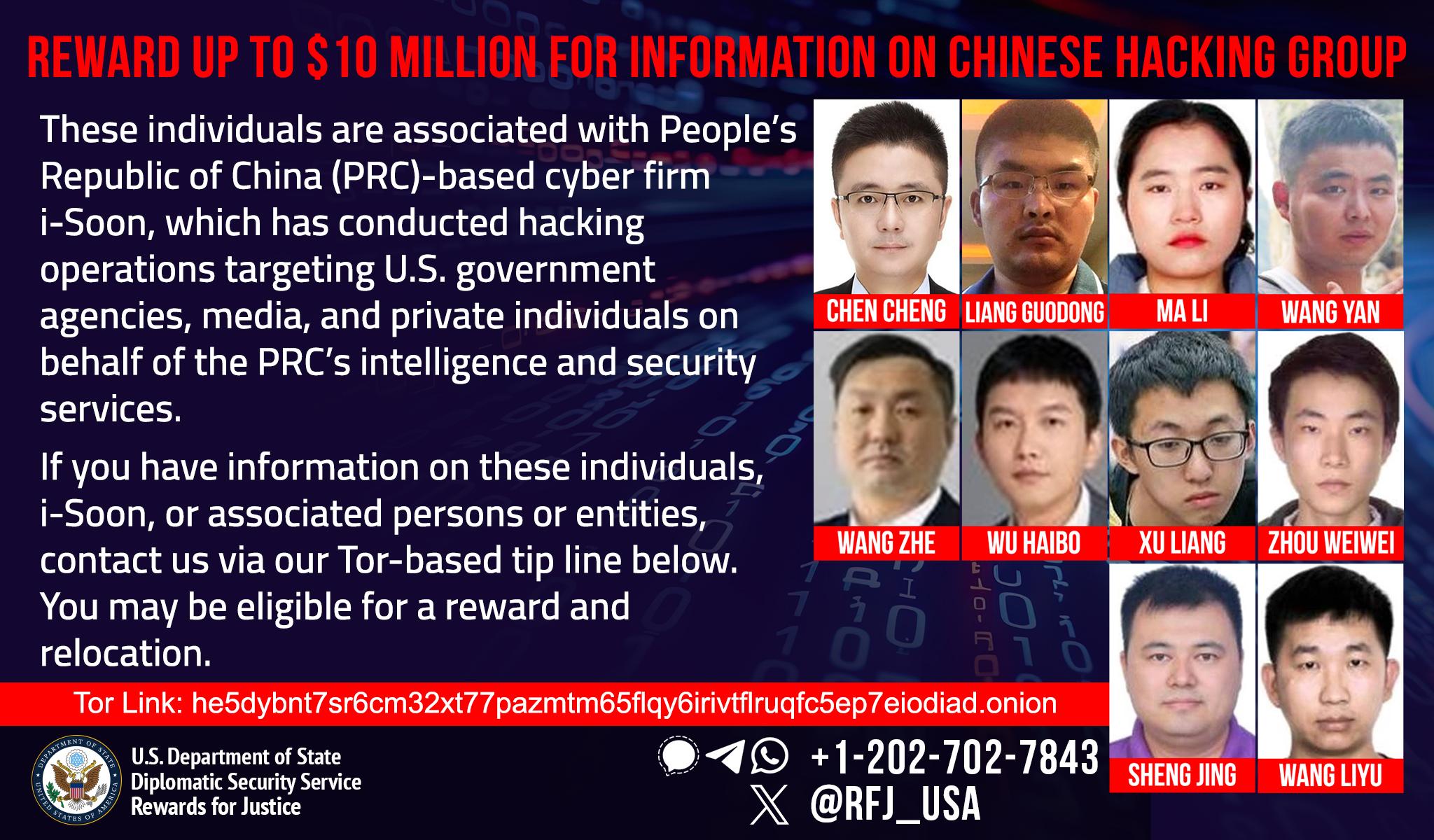
In March 2025, the United States Department of Justice announced the prosecution of 12 Chinese personnel involved in global cyber-invasion activities, including those of the Chinese Ministry of Public Security and those associated with Anxio ' s information technology company. The cases disclosed by the United States Department of Justice involved government agencies, foreign organizations and Chinese dissidents abroad, and the relevant prosecution documents linked these cyberoperations to the cooperative relationship between the Chinese public security and national security systems.
原始来源 · justice.gov美国司法部:安洵及中国公安部门关联黑客起诉公告justice.gov ↗These judicial actions reveal a mechanism that deserves the attention of the international community: China ' s national security agencies carry out some of their overseas intelligence and network operations through commercial technical contractors, combining technical services, data theft and political surveillance.
The definition of political security in the CCP has long included the preservation of the leadership of the ruling party. Its national security system monitors dissenters and political critics abroad, and therefore involves not only general intelligence activities, but also the extension of political control by the ruling party outside the country.
The United States criminal prosecution, technical restrictions and counter-intelligence measures in this regard are reducing the space for foreign activities in the context of the relevant cyber operations.
Unlike tariff negotiations, such national security actions are of a long-term nature. Even with the new trade and economic agreement between Washington and Beijing, the United States judiciary, security services and Congress may continue to push for investigations and restrictions.
When technology acquisition, cross-border intelligence activities and military expansion are also governed by United States security policy, the CCP is no longer facing a single trade conflict, but a multi-strategic pressure on economic, technological and political security.
Keys of 2027: how US-Russian coordination turned into the collapse of the Communist Party regime
The strategic impact of the United States and Russia on the CCP depends first and foremost on the ability of the two countries to reconcile their interests.
- The main strengths of the United States are the global financial system, advanced technologies, international allies ' networks and the influence on key market rules.
- Russia has important energy resources, a vast nuclear power and geopolitical influence on the Eurasian continent.
The combination of these two forces will affect the future international situation in Beijing.
In the technical field, the United States is able to coordinate the development conditions affecting key industries in China through export controls, investment restrictions and allies; In the diplomatic sphere, the restructuring of Russian-United States relations could reduce the opportunity for Beijing to use the major power paradox for strategic balance; In the area of military security, the arms control mechanism in which the United States and Russia are involved may expose China to new requirements for strategic transparency and nuclear forces.
These pressures may eventually be transmitted to the internal economic and political operations of China.
The Chinese economy still faces governance challenges such as real estate adjustment, local fiscal burdens, employment and consumption. Local government revenues, financial system risks and the population ' s economic expectations are closely linked to economic growth and market confidence.
If international technological constraints further increase the cost of industrial upgrading, and the external market and financial environment change, while domestic fiscal and social pressures continue to accumulate, the cost of maintaining the existing economic governance and political control systems of the Communist Party will increase.
The further development of this pressure into a risk of regime break-up depends on the interplay of factors: the stability of power structures within the party, the sustainability of economic resource allocation, the unity of the army and security institutions, and the emergence of changes in society with sustained political influence.
Strategic coordination between the United States and Russia can change the external environment of the Communist Party, but the real regime has broken down pressure from external constraints and internal governance crises to form mutually reinforcing political processes.
That is why the strategic game of 2027 cannot be understood solely in the context of military conflict or diplomatic agreements.
Even if the Shenzhen summit does not result in a formal joint political action, the readjustment of US-Russian relations, the technical restrictions that the United States has imposed on China, and China’s internal political and economic contradictions may continue to develop in the following year.
Conversely, if Russia maintains close cooperation with China, the United States continues to manage competition through trade and diplomatic agreements, and the external pressure on the Chinese Communist Party will take on different intensity and forms.
The international strategic environment is changing, but there are different operational mechanisms for the trade of interests between countries and political evolution within regimes. Linking them together will explain the real risks facing the Communist Party regime.
I'm not gonna be able to Xi Jinping The fundamental dilemma: the national interest is not the same as the Chinese Communist Party ' s.
The Shenzhen summit could bring about new diplomatic agreements, but it could not change the fundamental dependence of the Communist Party on its own governing position.
Xi Jinping He or she holds the highest leadership of the Communist Party and directs the State administration, military and security institutions through the party organization system. The current political system in China does not establish a mechanism for the rotation of the ruling party through open and free and competitive national elections.
This political structure determines that the CCP should address major international security issues, taking into account both China ' s national interests and the impact of these policies on the stability of the current system of governance.
They are not natural.
China needed to preserve its territorial integrity, economic development, national security and people ' s lives, but those objectives did not mean that the Communist Party of China must have a permanent monopoly on political power.
The United States and Russia could also adjust their policy towards China in accordance with their respective interests and with the Beijing negotiations. But the future of China’s political system should not be decided by the US and Russian leaders through the big-Power deal, let alone by the Communist Party, which confused the preservation of national sovereignty with the preservation of one-party rule.
The real political change that the Shenzhen summit demonstrated is the ongoing readjustment in the international power relations that Beijing is facing. The United States continues to expand security and technical constraints, while Russia has attempted to re-schedule its strategic interests through negotiations with Washington. Xi Jinping The demands of two great Powers must be met simultaneously, without guaranteeing that the two countries will always confront each other in the manner that Beijing hopes to achieve.
The year 2027 is an important year for observing this change. China ' s military modernization plan, the United States strategic restrictions on China and Russia ' s diplomatic adjustments to the United States will continue to affect the external strategic environment of the Communist Party.
The strategic arrangements between the United States and Russia to jointly promote the dissolution of the Communist Party regime depend on the future policy options of the two countries; Whether the Communist Party is under pressure to break up its regime deeper depends on how these international changes intersect with China’s internal political and economic contradictions.
For the Chinese people, the future of the country and the fate of the ruling party must be strictly distinguished. Whatever the restructuring of international forces, China ' s territorial sovereignty, security of its people and the fundamental rights of its citizens should not be the price of any country ' s political dealings.
The CPC can rely on diplomatic negotiations for its interests, on military force for its national security, and on the continued control of domestic political life through a rigorous system of organization. However, these instruments cannot be a substitute for the free political mandate of the people, let alone eliminate the systemic risks posed by the lack of independent oversight of power.
What is really worth noting in 2027 is not just how the US and Russia adjust their policy toward China, but how this highly centralized system of political power will be hit when external strategic support changes and the costs of governance in the CCP are accumulating. China ' s national destiny should not be tied to the perpetuation of any ruling party.

Reader comments
Loading comments…