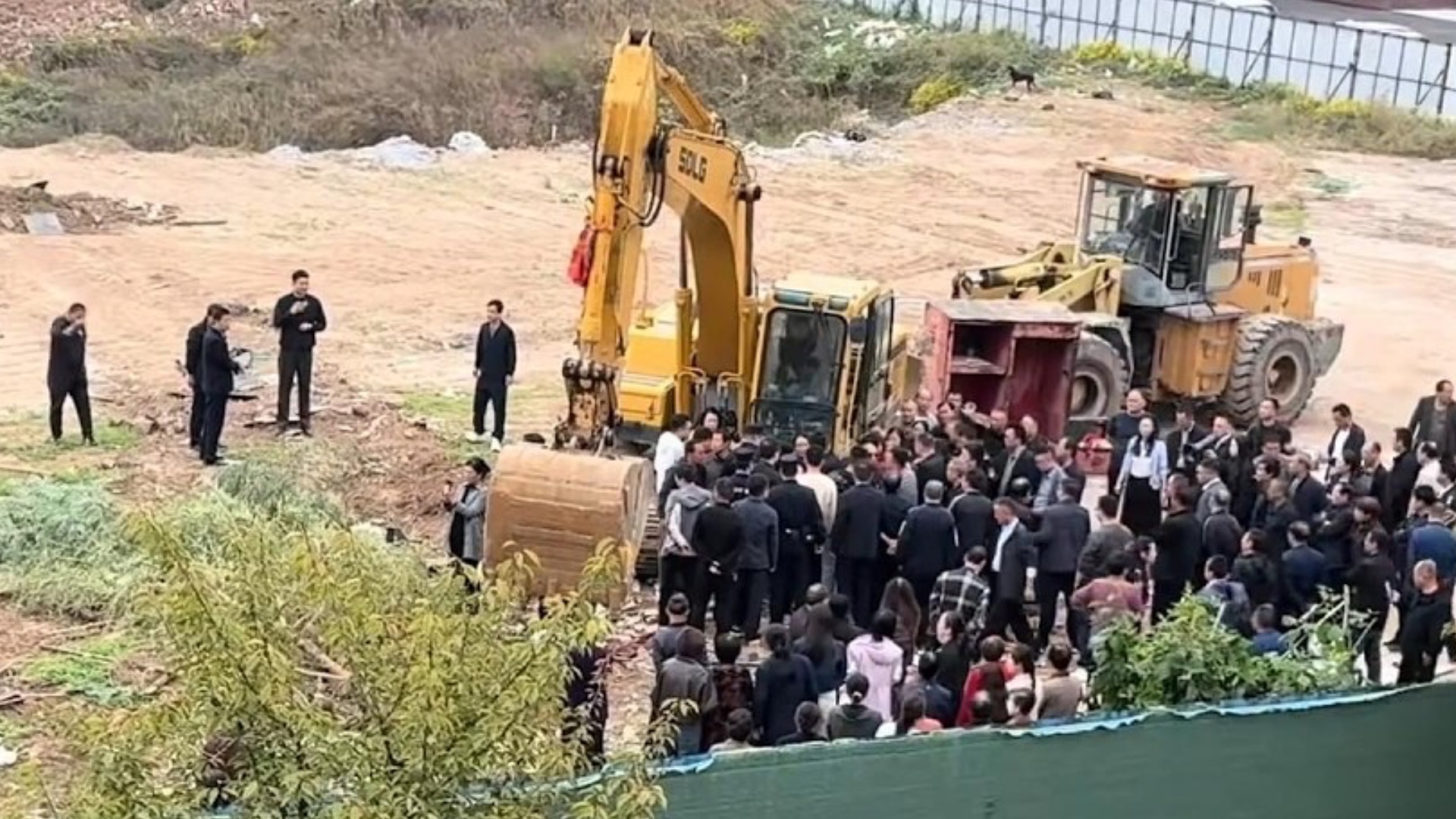
On 16 October, a land dispute arose in five groups in the village of East Guan, the top street of Shaanxi Po Po Po Po Po. The independent incident recording platform “last day” released live videos and presentations on 18 December, stating that the local government in Mee County had mobilized police and had joined local town input to enter village land, which was to be used to build the food market. Videos and villagers reveal a public clue worth tracking: when a collective land is ready for a change of use, should it be the village representatives, rights documents, or the police force that keeps order?
The text provided yesterday strongly alleges the actions of local governments, and the situation on the ground is mainly from their public records. The public material does not at present give the size of the plot, the registration of title, the number of the expropriation decision, the compensation agreement and the level of authority that makes the specific decision. It cannot be asserted that every link in the administrative process does not exist, but precisely because the land is a long-term asset on which the villagers depend for production, red-red and living, the administrative authorities cannot justify their use and compensation arrangements in lieu of the on-site police force.
Same county, two descriptions of land
On 8 October, the Shaanxi Daily News reported on a “three-dollar” regulatory reform in the rural areas of Meizhou, for example, that the Chief of the First Street, Chief Zaimura, had placed idle storage rooms on a public bid for a trading platform, and that the Secretary of the Party's branch, Li Wei, had stressed that open dealings could reduce villagers' dissatisfaction with the private disposition of collective assets. Only eight days later, there were allegations of the forcible disposal of villagers ' land in East Guan village. The two are not the same plots or projects and cannot be directly confused; However, their combination exposes the “open” test of grass-roots governance: when it comes to land use and the long-term interests of collective members, it is important that rights-holders know where to start their decisions first.
原始来源 · sxdaily.com.cn陕西日报:农村集体资产公开交易改革sxdaily.com.cn ↗Public government materials for the Yeu district also show that district leaders conducted the demolition of the land in July in the First Street, demanding that the construction of the project be accelerated and the closure of the site. This was the background to local work and was not sufficient to establish that the arrangements were directly linked to the clashes in East Guan village on 16 October. It can be confirmed that local governments have the administrative impetus to advance development projects and that villagers have property rights that cannot be ignored, and that in the event of an encounter on the ground, the police should have guaranteed security of person and order, rather than making a substantive determination in lieu of a dispute over tenure and compensation.
原始来源 · sohu.com首善街道七月土地拆迁工作公开报道sohu.com ↗The most tangible consequence of the dispute is the distribution of market stalls, rents and future revenues to whom the land is transferred from the farmers ' collectives to development projects. The villagers have lost not only an empty area on the surface, but also the ability to collectively determine the use of resources, share in benefits and refuse unreasonable arrangements. Local cadres can write new markets into the performance reports of vendors and people's livelihoods, but the real owners of land are more important than the name they will wear later.
Article discussion
Verified members can discuss this report publicly and manage their own content.
Checking member sign-in status…