
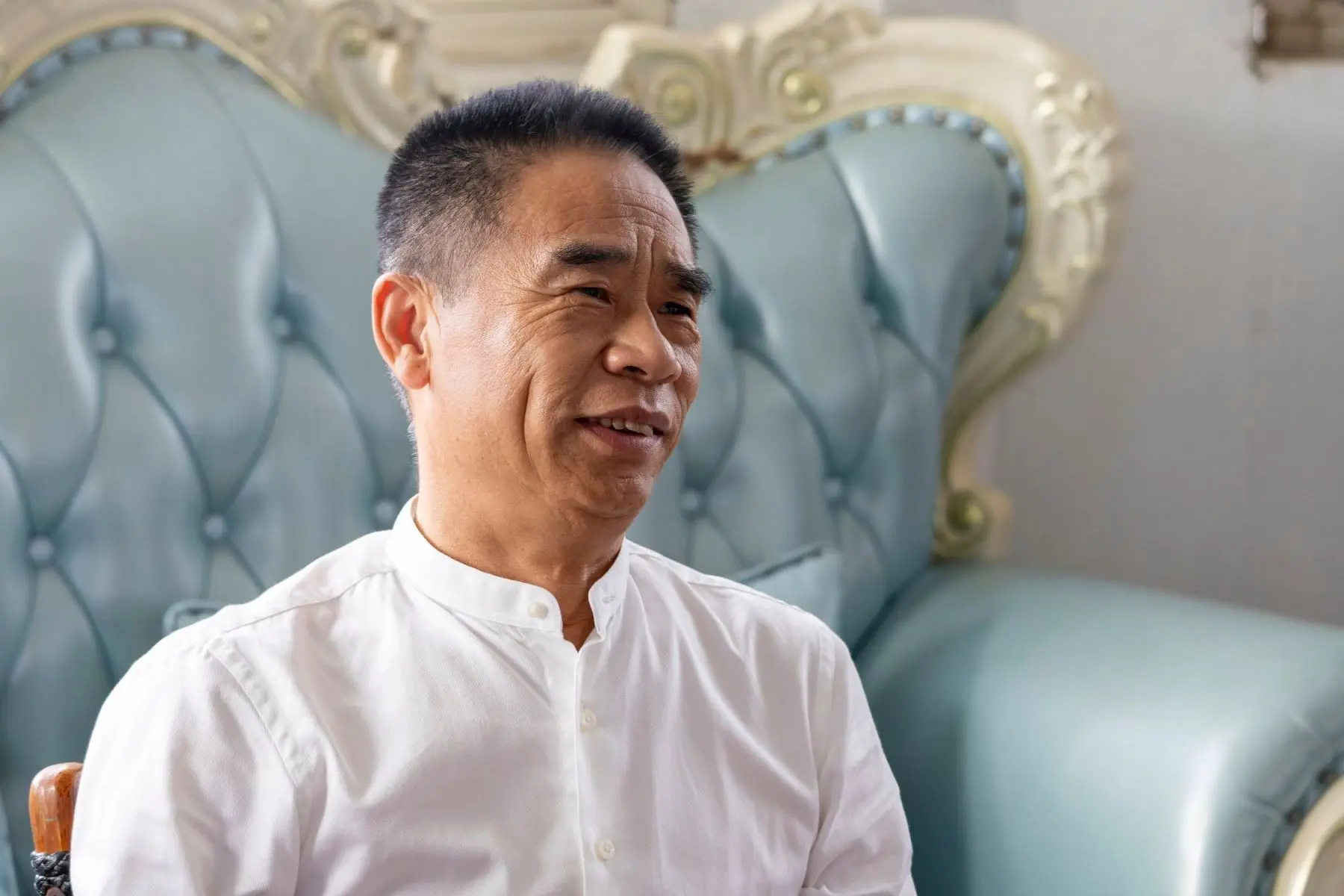
The United States Department of State announced visa restrictions and a Chinese businessman who runs a hotel in Fiji quickly became a focus of diplomatic journalism in the Pacific; Two days later, there was a next step that was not easy for Washington: the Government of Fiji publicly asked the United States to produce verifiable material.
On 7 October, the United States publicly named Zhao Fugan, who, as head of the Suwa Overseas Chinese Service Centre in Fiji, had used his public capacity to pay bribes to Fijian citizens for the benefit of the Government, business and criminal subjects in China, under the significant corrupt visa restriction mechanism under section 7031 (c) of the 2026 FYA-related Appropriations Act. The United States declared Zhao and his immediate family ineligible in principle for entry into the United States. This is an administrative visa designation by the United States Department of State and cannot be confused with a bribe that the criminal court has found to have been bribed or with an asset freeze sanction by the United States Treasury.
原始来源 · publicnow.com美国国务院发言人10月7日声明全文转载;此链接为Publicnow镜像而非国务院官方网站publicnow.com ↗
The legal basis is visa restrictions, not criminal convictions
The statement issued on 7 October by Tommy Pigott, spokesman for the United States Department of State, states that it is governed by section 7031 (c) of the relevant part of the National Security, State Department and Related Projects Appropriations Act 2026 (Public Law 119-75). The statement considers that Zhao Fu has just bribed Fiji citizens in his capacity as head of the Fiji Overseas Chinese Service Centre, promoting the interests of the Chinese government, business and criminal subjects; However, the recipient ' s name, financial flows, specific dates or transaction documents were not published in the public text.
These allegations were made by the United States Administration and were based on the visa designation. The visa-designated evidentiary threshold and redress mechanism is different from the criminal prosecution and conviction in the Fiji courts. Zhao himself denied paying bribes to Fijians, stated that he had not been prosecuted locally for the matter and asked the United States for details. The Government of Fiji requested verifiable information on how to bridge the evidence between diplomatic sanctions and local criminal justice.
原始来源 · abc.net.au澳大利亚广播公司:美方签证指定、赵富刚律师与斐济政府回应abc.net.au ↗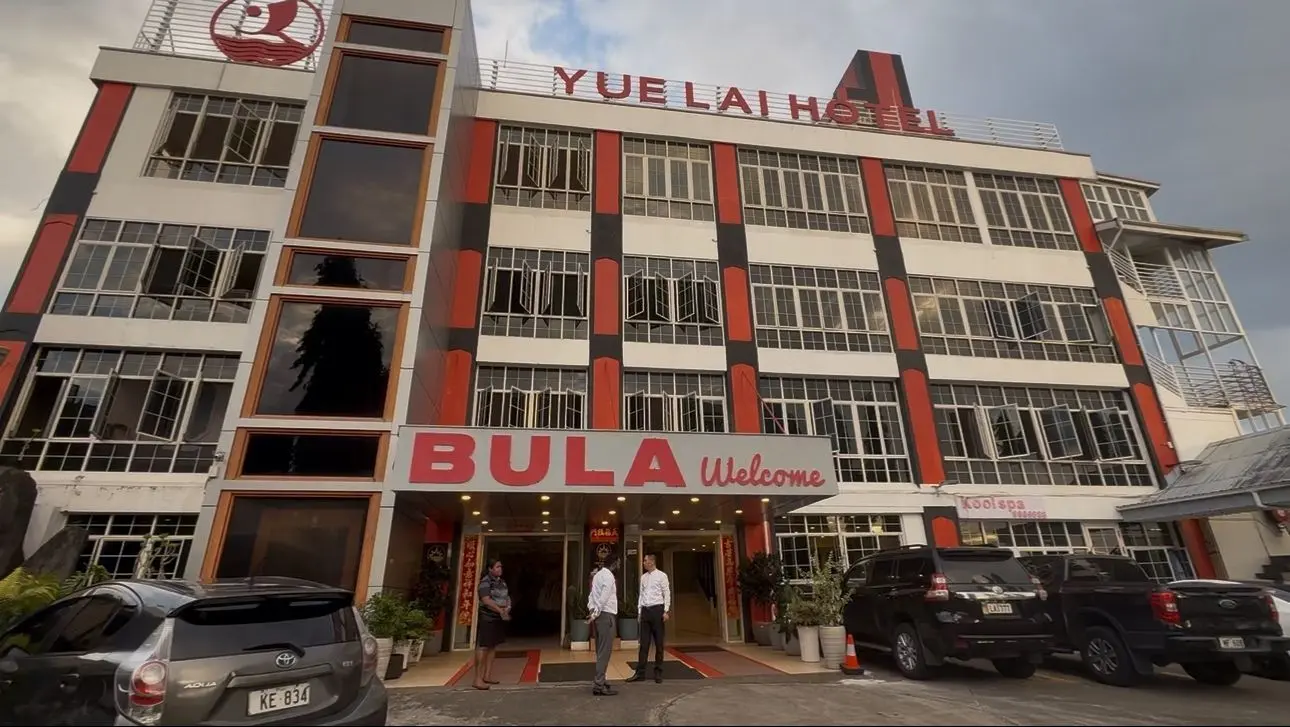
This administrative decision has entered into force, but the United States has not listed in the bulletin the amount of the bribe, the payee and the date of the transaction. The Government of Fiji therefore requested credible evidence on 9 October to indicate whether to intervene in the investigation on the basis of specific violations. It did not automatically find that a criminal offence had been committed in the United States because the alleged offender was the United States.
原始来源 · afp.com法新社10月9日:斐济政府要求美方提供证据afp.com ↗Enter the Hotel of the Joy of Suva
Jo Fu just opened a hotel in Fiji and has considerable visibility in the local Chinese community and business community. The International Investigation Organization OOCCRP had previously investigated allegations of business and regional crime, and hotel photographs and business relations had helped to identify this as a real and identifiable figure, not as a generic "China agent".
原始来源 · fijisun.com.fjFiji Sun:赵富刚本人对美国指控的否认fijisun.com.fj ↗Zhao, in an interview with a local journalist, strongly denied the bribe, stating that he had not received advance inquiries from the United States Embassy or the Department of State, nor had he been criminally prosecuted in Fiji. He asked the United States for details of the specific allegations and was willing to cooperate with investigations that were consistent with Fiji law. His rebuttal was not sufficient to directly refute the information on which the United States had relied, but it did make the evidence presented by the United States subject to a clearer public examination.
Who can access local decision-making levels through expatriate agencies
原始来源 · occrp.orgOCCRP:赵富刚经营网络和悦来酒店独立调查occrp.org ↗The most critical expression in the United States statement was to add the so-called bribery to “government, commercial and criminal interests in China”. (b) The services of the diaspora can normally legally organize consular assistance, cultural exchanges and business contacts; Only when decisions change because of undue interests of public officials will they enter the specific area of corruption accountability.
The Chinese diaspora agency, Zhao Fugggong, operates between local society, business and the public sector, and the United States alleges that it is linked to the influence of corruption. The debate focused on whether the diaspora platform could be a conduit for commercial interests to enter government decision-making and whether local officials could change administrative decisions because of private interests. Fiji society had the right to be informed of specific financial relationships involving public officials, rather than to hear accusations from the major Powers.
Sovereignty test for Fiji and transparency test for Beijing
Fiji maintains investment and trade links with China and relies on security cooperation with partners such as the United States and Australia. The Government of Fiji required evidence that Pacific island States should not be regarded as diplomatic subservience of any major Power. The United States had the right to decide who entered its territory, but could not require a third State to automatically impose a criminal judgement on the basis of visa sanctions alone.
The relationship between Fijian diaspora organizations, local business communities and public power should have been subject to transparent monitoring. While the United States visa restrictions put these cross-border concerns on the diplomatic plane, the Fiji judiciary still has to deal with the specific responsibility of its own public officials for accepting undue interests. Pacific island countries should not be turned into a test ground for political influence by any major Power, let alone allow the financial relationship between business networks and officials to be hidden in the name of diaspora services.


Reader comments
Loading comments…