
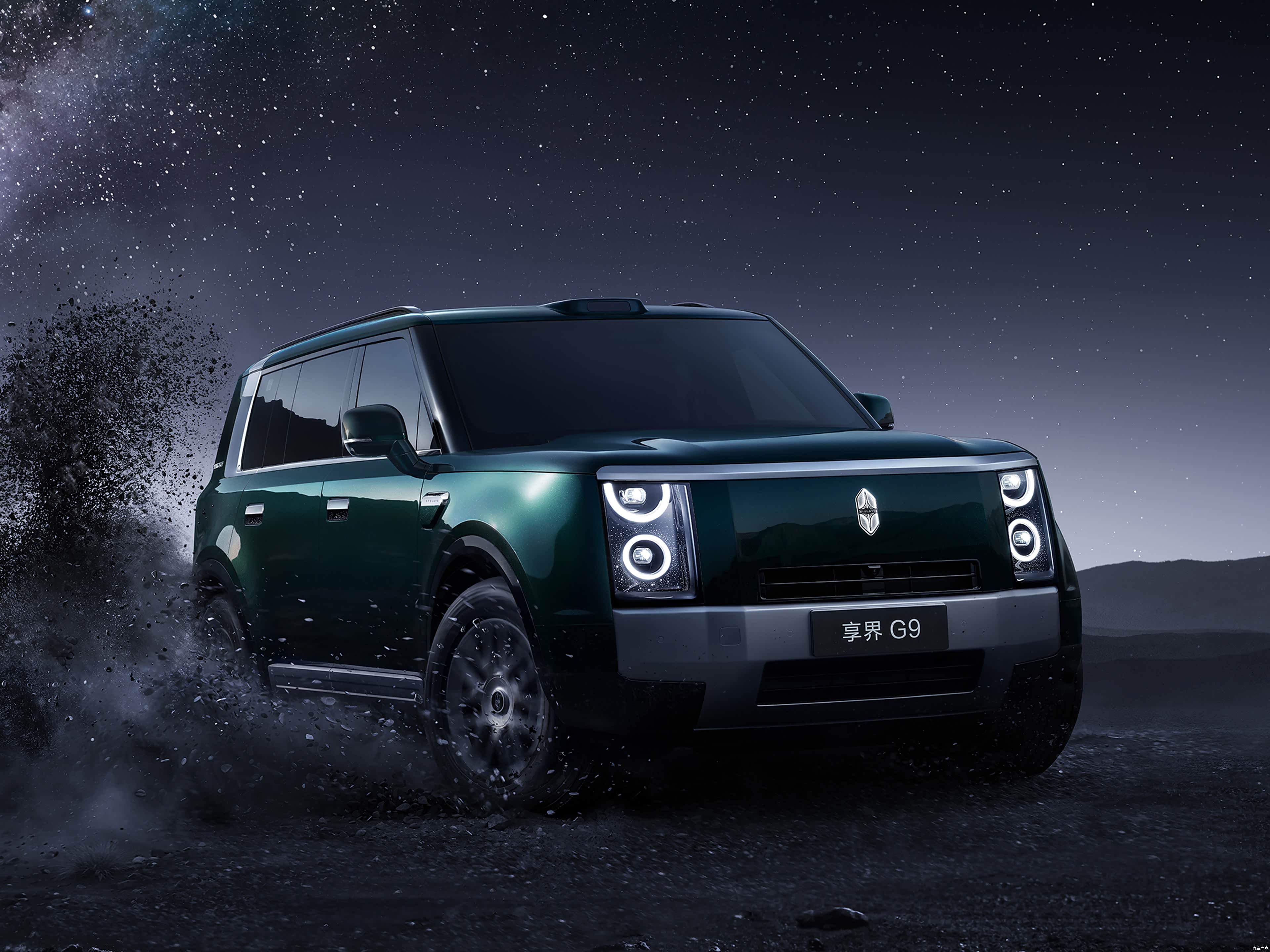
The G9 of a board of $429.8 million, known as the 11th “Black Technologies”, was mocked by the Internet in recent days by the video of the car's surroundings and low heights. One owner indicated that the new car that had just been purchased had been found to be tall and low when the gas station first refuelled. The dissemination of relevant videos has also led to the introduction of related phrases such as “G9 rights” in the Platform's search, and discussions among other car owners on similar phenomena have also received attention. The so-called high-end smart car, which China had created in association with North Frog, was once again in dispute between the marketing of technology and the quality of the real industry.
The most ironic part of the incident was the propaganda campaign when the G9 was listed. On 20 August 2026, the Chinese Permanent Director, A. K. Cheng Dong, announced at the launch that the vehicle was a whole-of-the-clan black technology, which would redefine the luxurious hard-to-sUV standard. The Secretary-General and Chairman of the North Gas Group, Zhang Jianyong, stressed that the G9-based North Gas had been producing a heap in the country in 68 years, and each vehicle had undergone more than 38,000 full-dimensional tests before leaving the plant to ensure that the product was reliable.
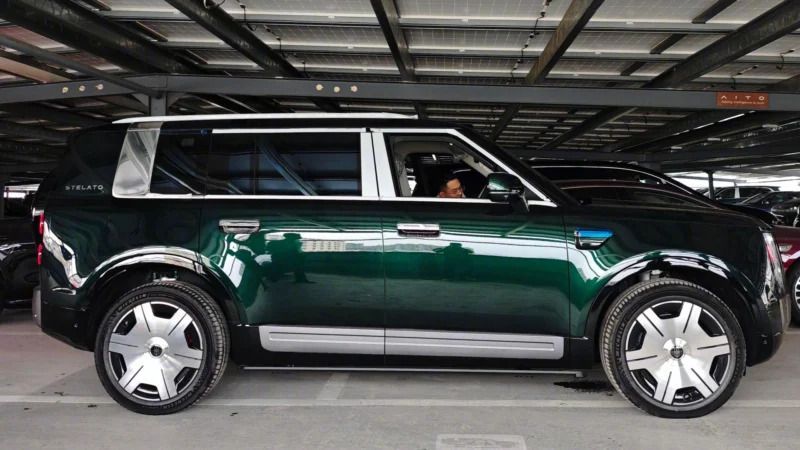
On the one hand, top-level technology and strict control in the enterprise ' s executive, and on the other hand, the car height and low-level anomalies discovered by the owner when he first refuelled. The two images are so close that they can tear the luxurious coats of so-called high-end technology marketing.
Eleven "Black Technologies" that do not hide consumer questions about basic industrial quality
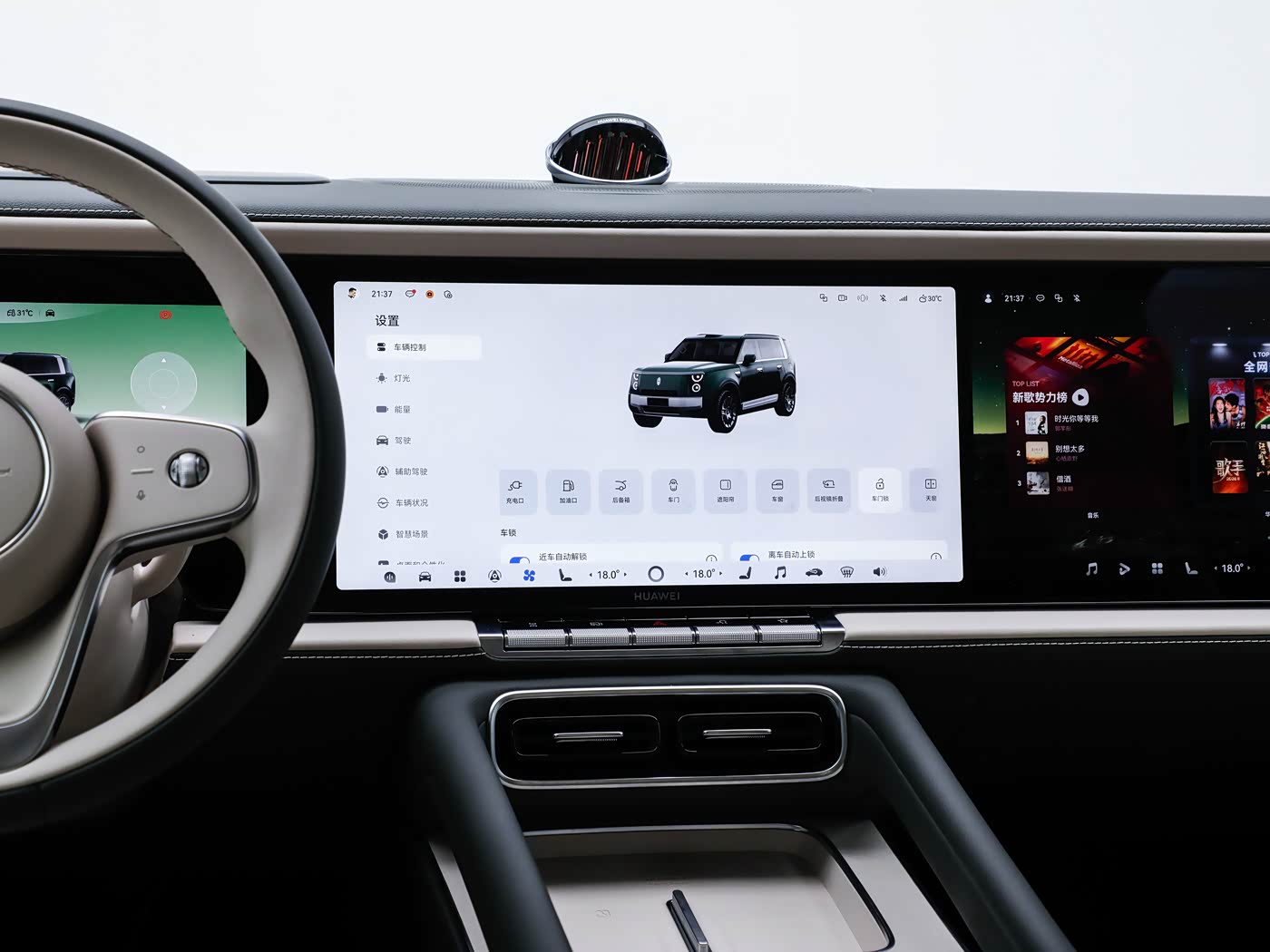
The G9 campaign promotes technology such as the Chinese-wide all-terrain platform, 800V-actively-disabled stabilization poles, intelligent all-terrain systems, and double-clare air hangers. The competitive advantage of manufacturers to package a large number of technical names into high-end cars gives consumers high expectations of product performance, safety and reliability.
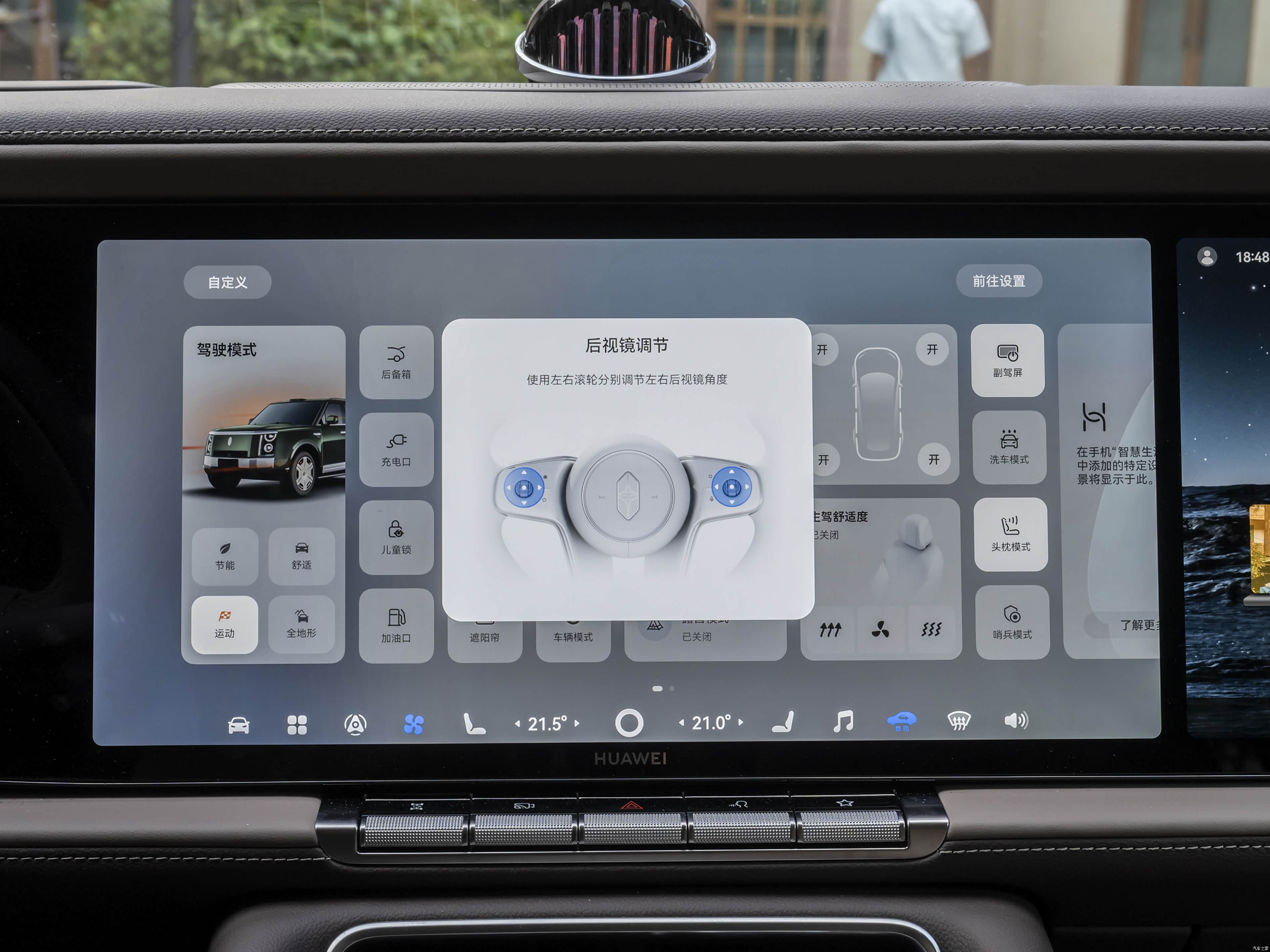
But first, cars are vehicles, and secondly, smart terminals. The stable and reliable overall engineering capability of the vehicle remains the basis of its construction, regardless of the number of display screens, laser radar, smart cabins or auto-driving aids.
When consumers discover that a newly purchased high-priced car has a visible body-style abnormality, the factory ' s technical terminology appears to be particularly impressive. The Internet users sarcasticly described it as a “honoring model” of “growing” in the form of a mockery of the rhetoric of technology marketing and the actual experience of consumers.
More notably, the G9 is not the first time that a similar challenge has been raised. The problem of different heights and low heights was discussed on the Internet, and new car owners responded to air hangers. While the specific vehicle situations covered by these public complaints are not identical, they point to a question worth monitoring: why does a car brand that constantly emphasizes high-level technical power come and go back to the staggered and body status complaints at the beginning of a new car's delivery?
If an enterprise is good at packaging cars into high-tech products without creating consumer confidence in the most basic of mechanical qualities, so-called technological empowerment can become industrial waste under high-technology packaging.
Who's responsible for the quality of the technology myths, North Freckles for the car
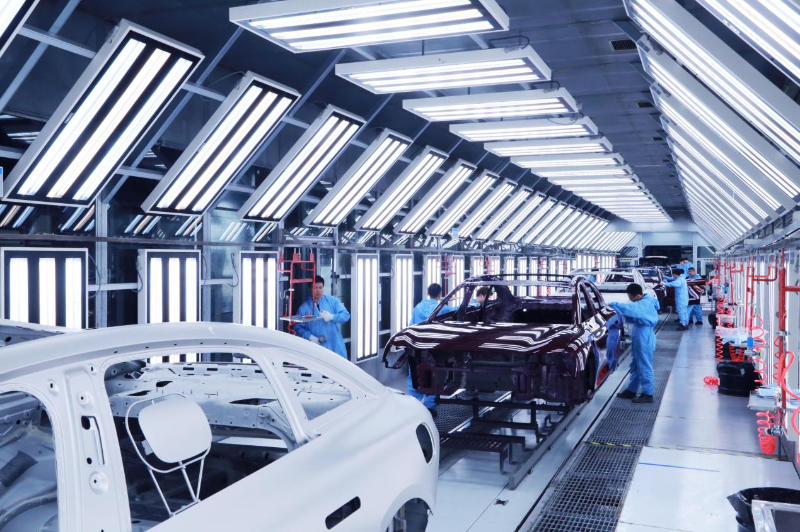
The cooperative model of the administration reveals the deeper industrial problems behind the controversy.
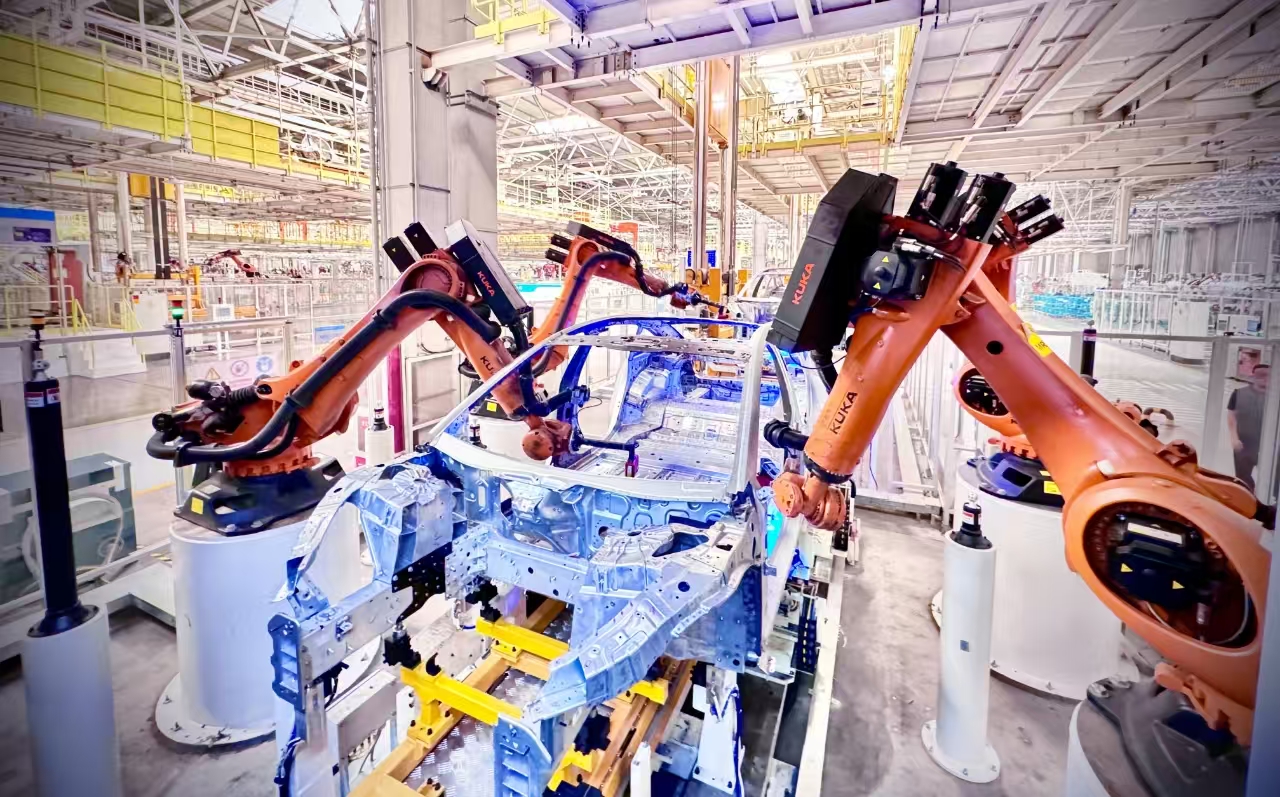
China is not an independent car manufacturer of G9. The brand was created by China in partnership with North Oil, which is deeply involved in product definition, smart technology, brand marketing and channel systems, and North Oil, which is responsible for the whole car manufacturing. In September 2026, Hong Moon-sai publicly confirmed that the Chinese-led cooperative model continued to be adopted by the authorities. The Northern Blue Valley also defines relations as the strategic community “Car+China as a science and technology ecology”.
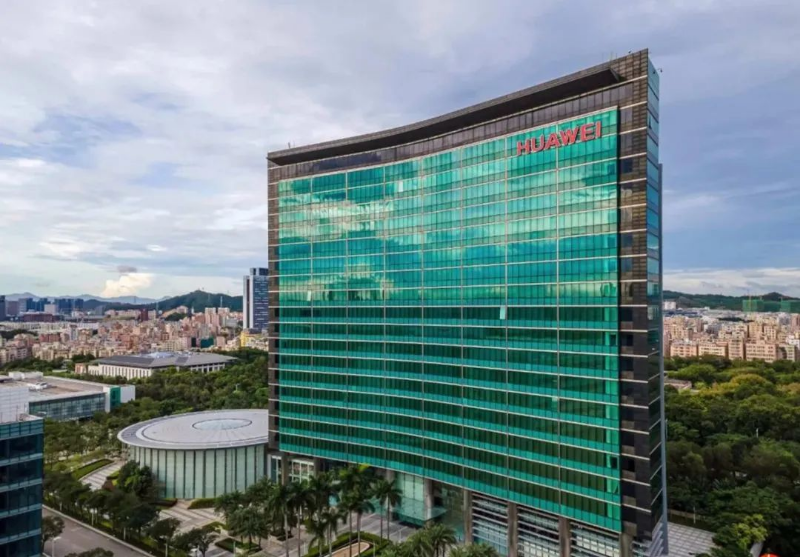
This means that China cannot take a brand premium on the reputation of technology when the product is published, but it is only the technology supplier that dilutes its responsibilities when consumers are in a product dispute. Nor can it hide behind the Chinese technology halo, leaving the responsibility for the entire vehicle ' s manufacture, quality control and after its sale to marketing.
Of particular concern is the relationship between the two enterprises and the Chinese party system. (a) Kitaco is a Beijing-owned State-owned motor vehicle group whose chairman also serves as the secretary of the group; Despite the private sector equity system, China has a Chinese Communist Party (CPP) organization. The two enterprises, which are engaged in intensive industrial cooperation under the political and economic system in place in China, should be subject to strict public scrutiny for the operation of their products, their quality responsibilities and the protection of consumer rights and interests.
The brand-named halo of China cannot be held responsible for the Northcove, nor can its national identity be a barrier to China ' s responsibility for the downgrading of products.
Selling cars as mobile phones, high-tech marketing is overstretched by consumers
China has recently extended its technological ecology to the automobile industry by building the technological brand of its communications equipment and smartphone business. Such cross-industry development is not in itself problematic, and what is truly alarming is the direct transposition of the marketing logic of the consumer electronics industry to the car market, which is a matter of public life security.
Software problems with mobile phones that allow for the system to be updated; Cars are complex industrial products that involve co-operation of chassis, brakes, turnovers, suspense and large quantities of mechanical components. Automobile manufacturing requires long-standing experience in car-wide engineering, rigorous supply chain management and stable quality control capabilities, and cannot simply be a build-up of intelligent configurations to achieve a leap in industrial quality.
The dispute over the G9 has struck this contradiction. While manufacturers repeatedly display technological leadership and luxurious configurations, consumers are discussing why a new 400,000-dollar car is different in height and height. The more ambitious the scientific and technological promotion, the more striking the reality is.
The Chinese automobile industry has been keen in recent years to compete for markets under slogans such as “Long lead” “All-Tarkage Black Technology” “Redefinition of Luxury”. The increasing technological terminology and the increasing use of the product distribution as a large-scale scientific performance, while the reliability, durability and safety that consumers really need, cannot be accomplished by slogans, is a major factor in the growth of the production of the product.
In this marketing environment, brand worship may also weaken the oversight mechanisms that markets should have. Consumers raise the issue of products that should have been seriously and professionally addressed, rather than diverting attention from the public from the flaunted technology.
Real industrial power, not through slogans
In the video comment section, there is a irony of a cyberfriend: “When a person's wealth and intelligence are not matched, his money goes to China. Behind this sharp assessment is the dissatisfaction of some consumers with the technology brand premium and the fan-like consumer culture.
Consumers have the right to believe in China and to buy their own rights. But since an enterprise has a technology lead as its core selling point, it must be subject to public scrutiny that matches the advocacy commitment. Branding cannot override consumer interests, let alone free high-priced products from quality criticism.
Cars are not windows that display technical concepts, much less experiments that test consumer brand loyalty. It carries the safety of the lives of drivers, passengers and others on the road every day.
Videos of the different heights of the G9 car, showing the consumption experience of a car owner; The controversy that arose touched on the high-end model of car commerce that China had established with North Gas. For these products, which cost hundreds of thousands of dollars and use technological leadership as an important selling point, the manufacturer is responsible not only for proving how many smart functions it can design, but also for the quality of the vehicles delivered.
When “China for Empowerment” becomes a marketing brand for high-priced cars, enterprises must honour their commitments with solid industrial qualities. Otherwise, the more gorgeous the technology is, the more the industrial slabs are exposed, the more the so-called high-end smart cars become “industrial waste” in high-tech packaging in the consumer's mouth.


Reader comments
Loading comments…