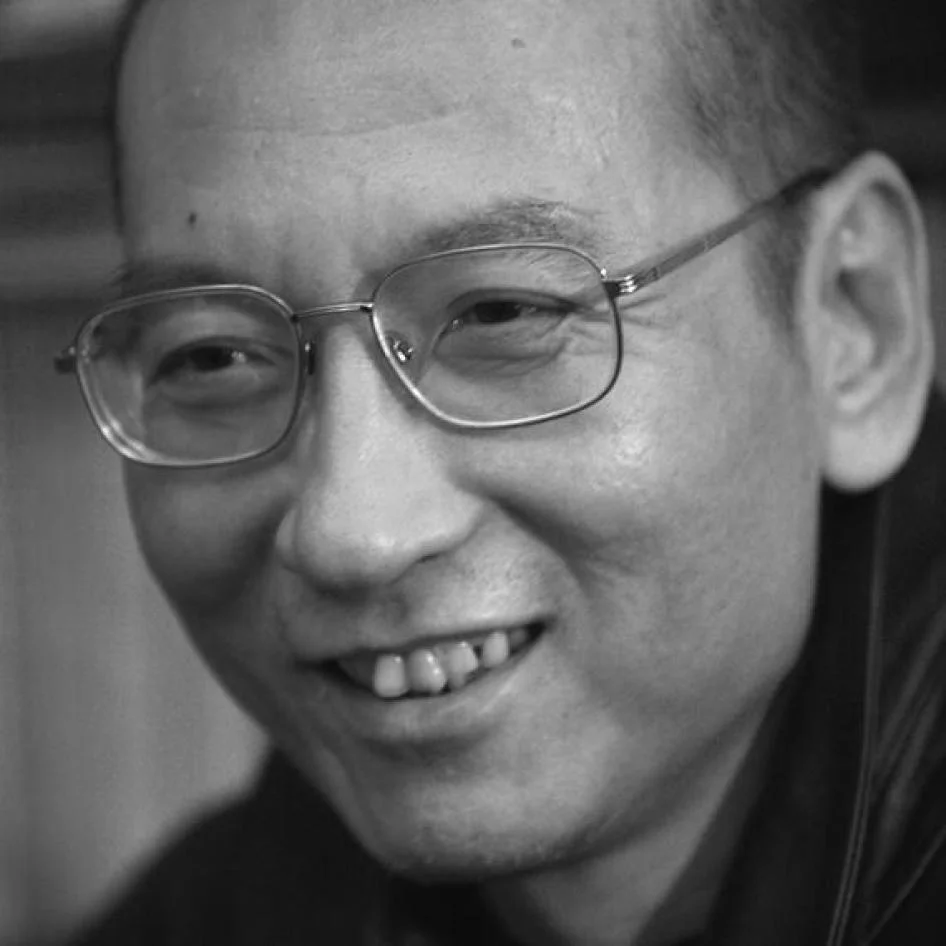
On 8 October 2010, the Norwegian Nobel Committee announced that Liu Xiaobo had received the Peace Prize. Sixteen years later, the China Network of Human Rights Defenders published a statement on the same day, re-examining a matter that was far more specific than the commemoration: who was responsible for the restrictions on their imprisonment, medical treatment and family members after a political prisoner in custody had been granted out-of-instance medical treatment for late liver cancer and had eventually died under tight control?
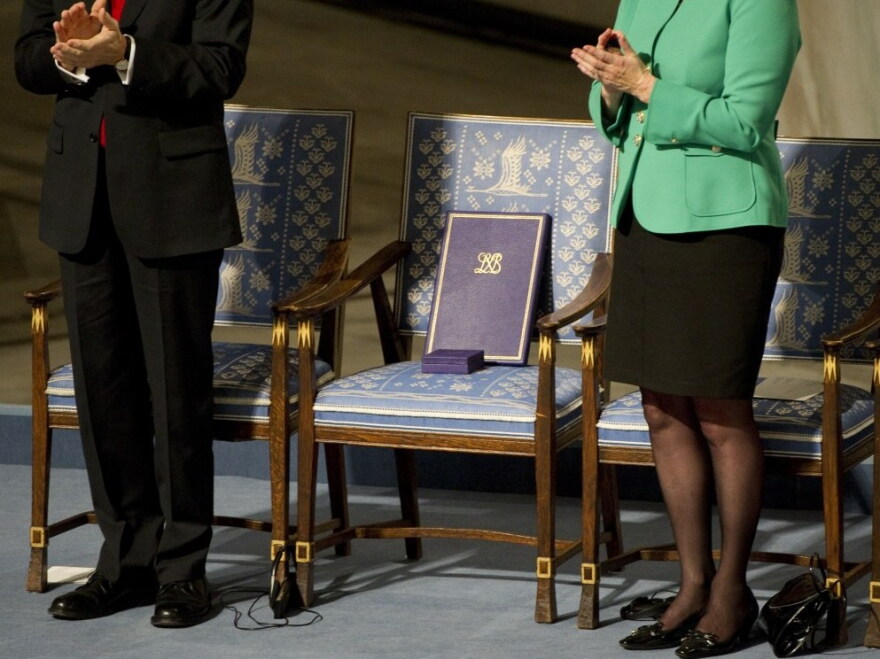
原始来源 · nchrd.org中国人权捍卫者网络2026年10月8日声明nchrd.org ↗Liu Xiaobo did not move out of the control of the Chinese authorities alive. (b) He was taken away by the police immediately before the publication of Charter No. 108 in 2008; On 25 December 2009, the Beijing Municipal Intermediate People's Court sentenced him to 11 years' imprisonment for “inciting subversion of State power”. The 2010 Nobel Peace Prize award was presented at the site, and the chairs originally belonging to the winners were empty. The empty chair later became an international symbol of the deprivation of liberty of Chinese political prisoners.
原始来源 · hrw.org人权观察:刘晓波政治与人权影响hrw.org ↗What has changed in custody beyond a sentence?
Liu Xiaobo was sentenced on the basis of his public writing and political expression. The Court ' s power to include peace initiatives and criticism of the political system in criminal prosecutions is the starting point of the whole case. Human rights organizations noted that his wife Liu Xia and many other diplomats were not allowed to attend the hearing and that Liu Xiaobo ' s final statement was not given the opportunity to read out properly.
The case did not stop on the date of the judgement. In October 2010, Liu Xia was placed under restriction of movement and contact with the outside world, and was effectively placed under prolonged house arrest. She is not herself the defendant of Liu Xiaobo ' s judgement, but is subjected to prolonged restrictions on her husband ' s freedom in political cases. This is a concrete example of how “family-related punishment” occurs without the need for a formal criminal sentence. When did the public know about the medical insurance?
In June 2017, the Liaoning Prison Administration announced that Liu Xiaobo had been granted out-of-insole for late-stage liver cancer and had been transferred to Shenyang Hospital. It was only then that the outside world became aware of the serious state of his condition. The international medical community and human rights groups had requested the option of independent consultations and treatment abroad, and his own request to visit overseas had not been approved by the Chinese Government. He died on 13 July.
(b) The simple expression of death as “pent cancer loss” would eliminate the medical autonomy of the detainee and the obligation of the State to detain him; However, journalists cannot claim directly, without medical evidence, that a single medical operation caused death. It should be asked when the medical condition was detected, who decided on the timing of the referral, whether he or she and his family had been sufficiently informed, why treatment abroad had been refused and what options detainees could make compared to ordinary patients. Human rights organizations have identified the lack of an independent investigation as a problem of responsibility that has not been resolved so far in the case.
The commemorations have also become new cases.
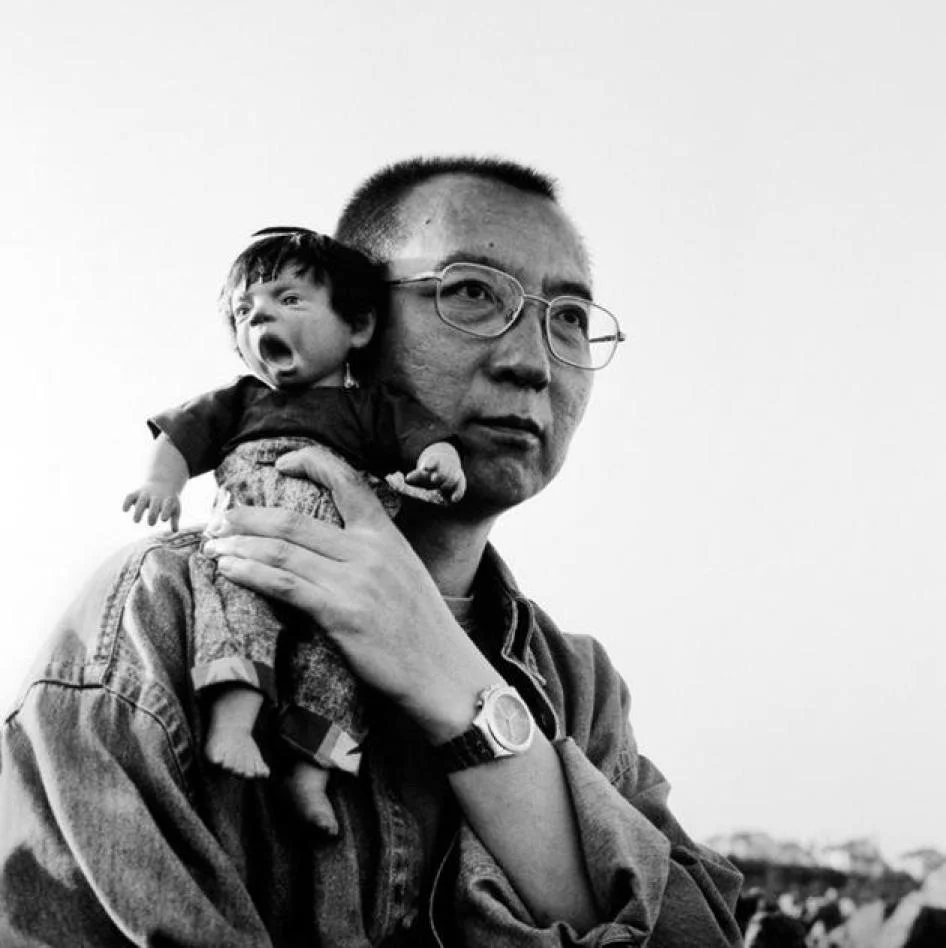
The statement of the China Network of Human Rights Defenders on 8 October lists the sentences of two citizens of Hangzhou in February 2026 in memory of Liu Xiaobo. According to the organization, Xin was sentenced to three and a half years' imprisonment and Xin Zhong to three years' imprisonment for “scathing”. This follow-up fact is particularly important: it shows that Liu Xiaobo ' s case did not end with his death in 2017 and that the State power still seeks to determine how the public can honour the dead.
As a news event, this continuity is more significant than the slogan of the commemoration. The 2008 text, the 2009 criminal verdict, the 2010 empty chair, the 2017 medical treatment and the 2026 commemorations were criminalized, and a chain of political power intervention spanning 18 years. In this chain, public expression, family freedom, custodial medical treatment and public memory are the subject of administrative and judicial control in turn. Who can investigate the decisions taken by the State?
Human rights organizations noted that no Chinese officials have been effectively held accountable for the unlawful detention, medical treatment and abuse suffered by Liu Xiaobo ' s family members. The serious response to this assertion is not to repeat the praise for Liu Xiaobo, nor to attribute responsibility to an abstract system, but to call for the disclosure of records that can account for the decision-making and implementation process: criminal trials, medical assessments, prison administration, decisions to restrict family movement and to combat commemorations, by which agencies and personnel, respectively.
The institutional problems revealed by the Liu Xiaobo case lie in the fact that the State is both a party to the restriction of freedom and in controlling the vast majority of materials and channels that can test the legality of its own conduct. When victims do not have access to a genuinely independent investigation, individual deaths may be written as a medical incident, family isolation as a management measure, and public mourning as a matter of public order or criminal law. Sixteen years later, the news is in the same chain of responsibility that remains unbroken.
Article discussion
Verified members can discuss this report publicly and manage their own content.
Checking member sign-in status…