
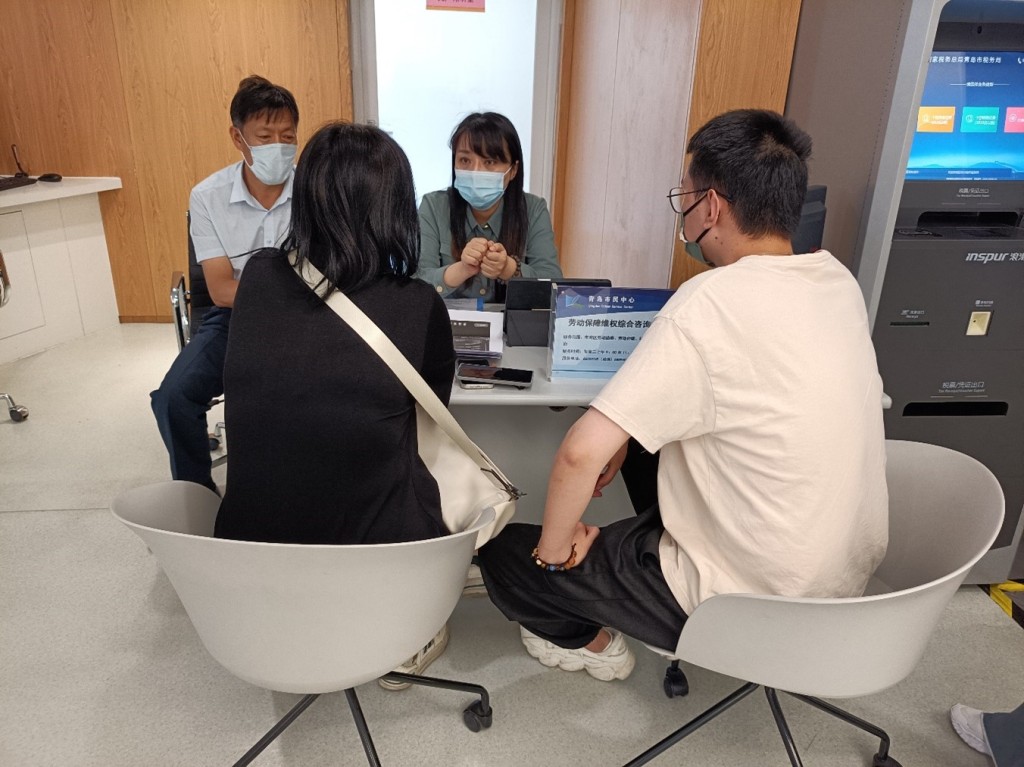
Two workers recover social insurance contributions from the enterprise, first by confirming their labour relations through the labour dispute procedure, then by waiting for the administrative authorities to investigate, order a refund, and finally enter administrative penalties and enforcement procedures.
This case, which occurred in Qingdao, Shandong, reveals the real obstacles facing Chinese workers in pursuing social security.
On 1 November 2026, the National Tax Administrative Discretionary Basis (2026 edition) was officially introduced by the National Tax Administrations Authority, which incorporated the non-payment of social insurance contributions by employers into the national unified tax administrative penalties system. If an enterprise refuses to pay by the order period, the amount and proportion of the outstanding payment is up to three times the fine.
The scale of penalties is harmonized across the country, but what is really needed by workers is the recovery of the outstanding social security funds of the enterprise, the restoration of the contributions record and the realization of the rights and interests of old-age, medical and other social insurance.
Two workers are pursuing social security and the administrative penalties are followed by enforcement
A major labour security violation notice published by the Aoshima City Human Resources and Social Security Board in 2025 recorded the complete administrative processing of the recovery of social security by two workers.
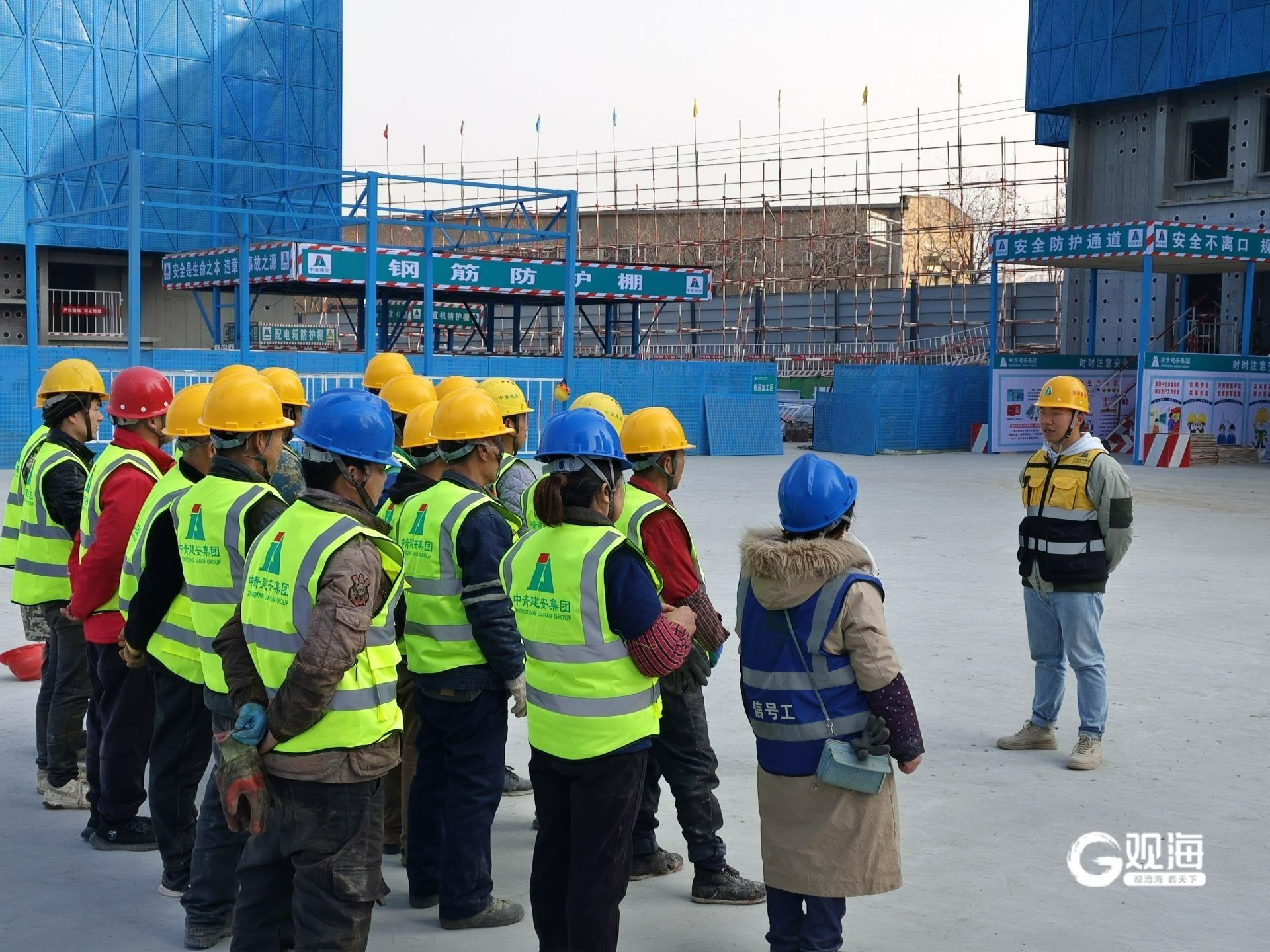
On 5 January 2024, the Huangshima District Community Department of Qingdao City received complaints of non-payment of social insurance contributions from Aoshima Guangjiang Islands Construction Engineering Limited.
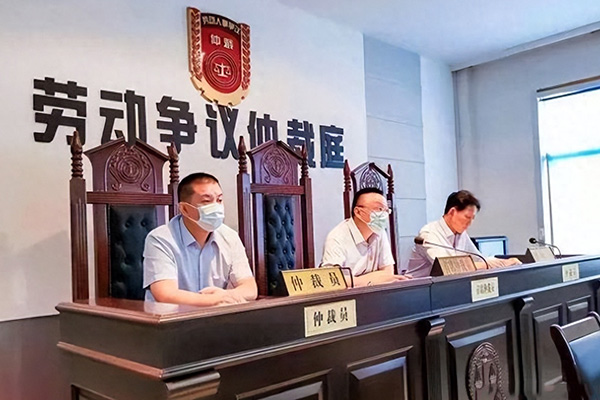
As labour relations are controversial, the workers concerned first confirm them through the labour dispute process.
Since then, the Huang Island Social Welfare Board has established that the company is in arrears in the payment of social insurance contributions to two workers.
On 18 July 2024, the Human Welfare Department issued a Decision on the Remedial Order of the Labour Security Inspectorate to the Corporation, which required it to correct the irregularities in accordance with the law.
Businesses are overdue.
On 1 November of the same year, the Social Welfare Department issued a further Decision on Administrative Penalties for Labour Safeguards Inspection. Once again, the enterprise is overdue.
In a public circular, the Qingdao City Social Board indicated that the Huangdao City Social Board would apply to the People ' s Court for enforcement of administrative penalties in accordance with the law.
Almost 10 months have passed since the complaint was received in January 2024 and the administrative penalty was imposed in November of that year. The practical implementation of the administrative decision becomes a new element when the case enters the administrative penalty phase.
This case revealed a central problem in the recovery of social security contributions: the fact that the enterprise ' s failure to pay does not mean that the workers ' outstanding social security contributions are immediately entered into the personal contribution account.
The Aoshima case occurred before the application of the national uniform tax penalty discretion standard, which was dealt with by the local social services under the law. However, it shows that the determination of labour relations, the recovery of arrears, administrative penalties and the procedure for their enforcement are the real problems that still need to be faced when the new system is put on the ground.
Half a million and five million dollars, and the penalty is three steps
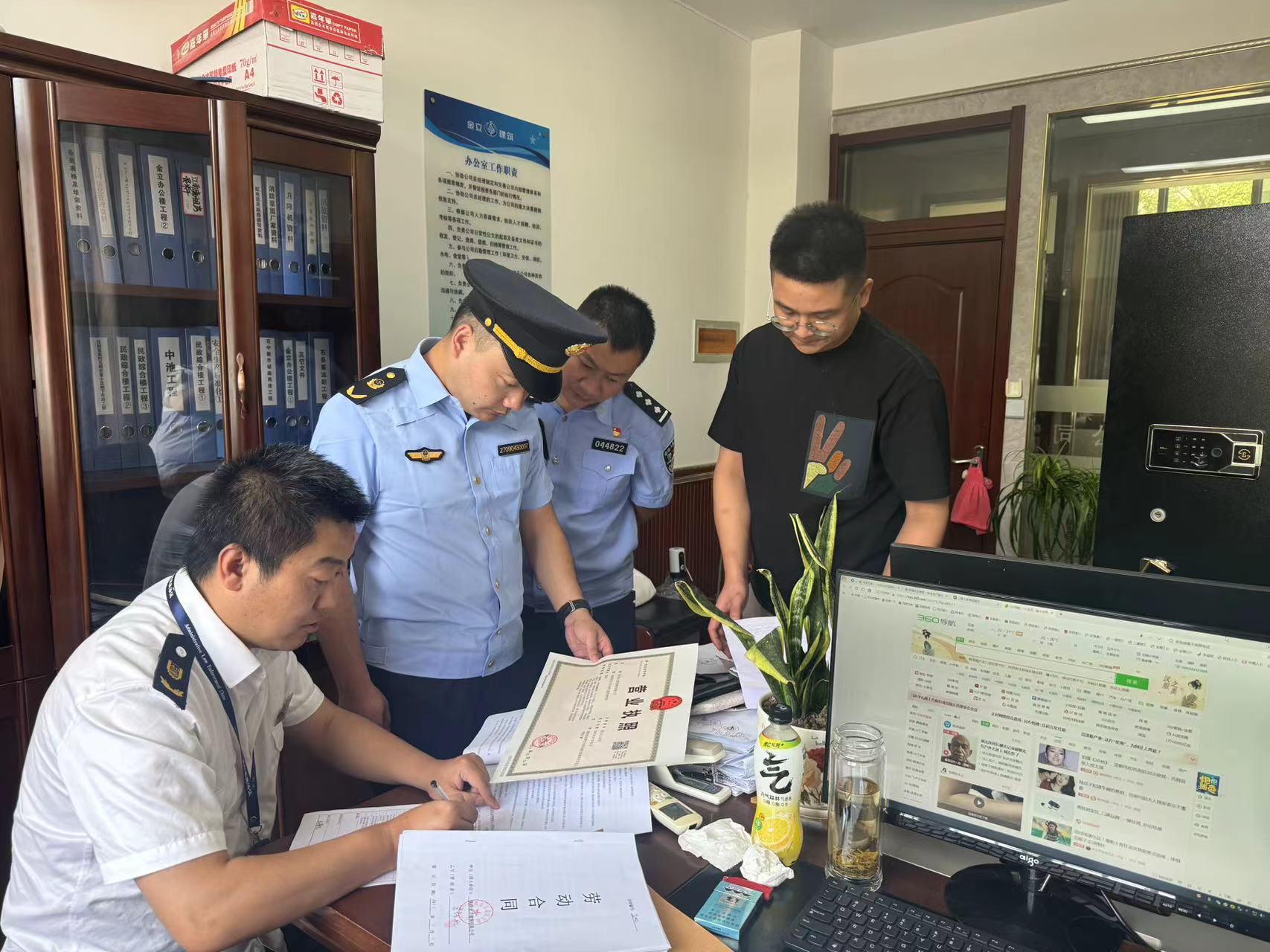
The General Tax Administration issued Circular No. 20 of 2026 on 28 September, which divides the administrative penalties for tax matters into a single nine-category category of 66.
原始来源 · fgk.chinatax.gov.cn国家税务总局:全国税务行政处罚裁量基准(2026年版)fgk.chinatax.gov.cn ↗Of these, item 30 specifically concerns the failure of employers to pay their social insurance contributions in full and on time, and establishes the criteria for punishment in accordance with article 86 of the Social Insurance Act.
Under the new regulations, tax authorities adopt a slotting system for non-payment of social security:
原始来源 · thepaper.cn澎湃政务报道:欠缴社保最高罚三倍,三档裁量标准thepaper.cn ↗General: Amounts outstanding are less than $500,000; Or if the amount owed is over $500,000 and less than $5 million, and less than 30 per cent of the total amount due, the fine is usually doubled.
The heavier cases: The outstanding amounts are over $500,000, less than $5 million and represent more than 30 per cent of the total due; Or if the amount of the outstanding contribution is more than 5 million yuan, or less than 30 per cent, the penalty is more than twice the amount outstanding and less than twice.
Several circumstances: If the amount owed is more than 5 million yuan and 30 per cent or if other serious circumstances are present, the penalty is more than twice and less than three times the amount outstanding.
The standard of punishment changed in the way the executive determines the amount within the statutory fine.
The Social Insurance Act already provides that enterprises pay their social insurance contributions in full and on time, and that they pay or pay by the imposition of an order of the institution, and receive a daily cut-off of five per 10,000 from the date of default. If the payment is overdue after the order, the fine shall be more than twice and more than three times the amount due, in accordance with the law.
The new system, implemented in November, therefore, focuses on further harmonizing the sentencing discretion measures of the different regions of the past.
For example, one enterprise is in arrears of one million yuan in social security contributions, which represent 20 per cent of its total contributions, and another, which is in the same position as another, which is in the 40 per cent of the contributions, will be in different penal status.
Under this rule, the amount of contributions outstanding from enterprises, their proportion of total contributions due, and the actions taken upon receipt of notification of the order for their payment, directly affect the outcome of the final administrative penalty.
The company pays three fees, but the fine does not directly compensate the worker
From an enterprise ' s financial point of view, the default on social security may result in three different expenditures.
The first is the social insurance contribution that should have been paid. This fee corresponds to the contributions obligations of enterprises and workers under the law.
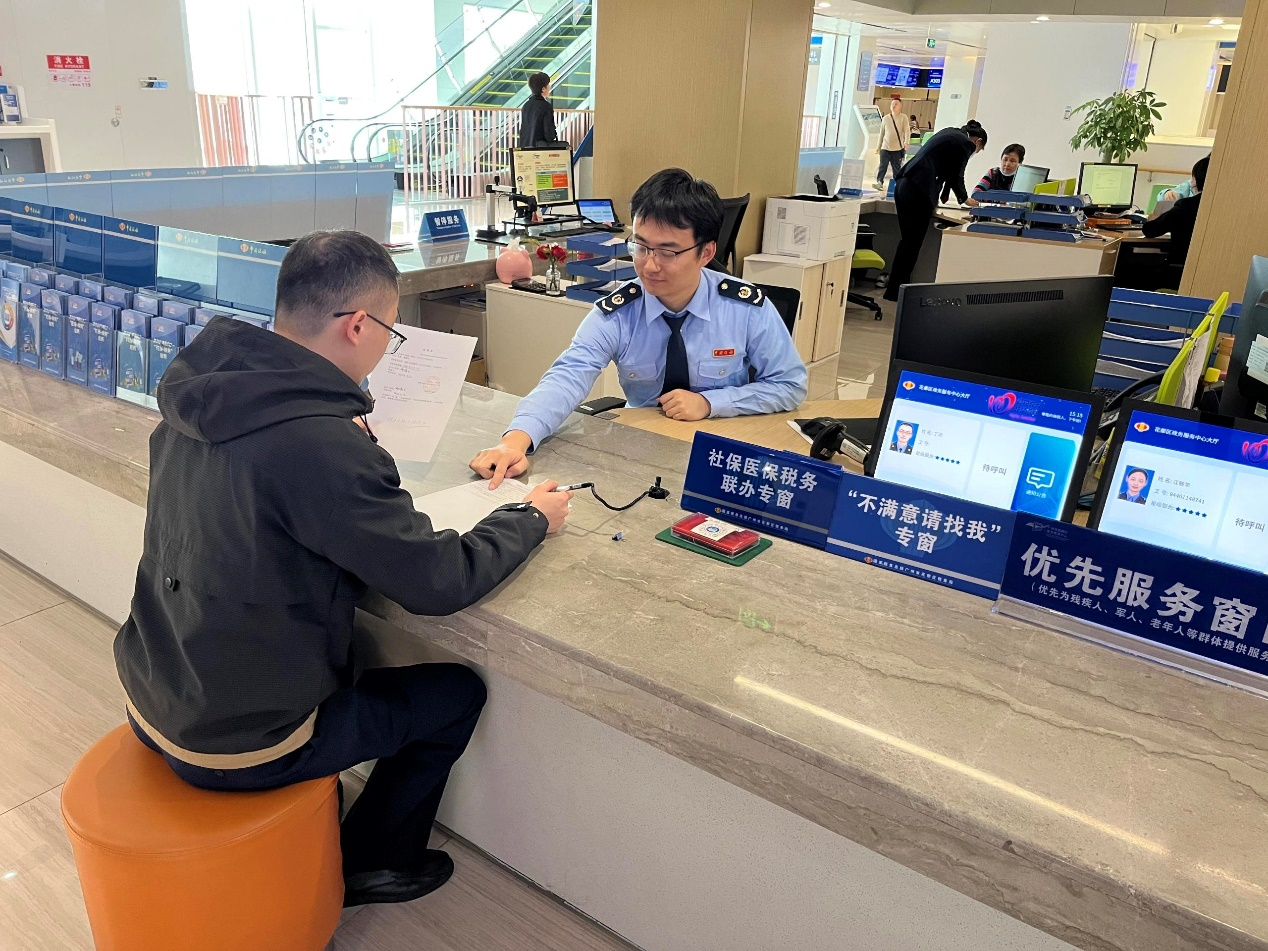
The second is the late payment of contributions. The Social Insurance Act provides that the period of social insurance arrears is calculated as five per 10,000 per day.
The third is an administrative fine that is imposed upon the fulfilment of the conditions for the imposition of the legal penalty.
The three expenditures were of a different legal nature and there were procedures for their actual processing. The administrative authorities issue a ticket to an enterprise, which cannot be a substitute for the enterprise ' s payment of arrears; Administrative fines are not paid to workers as compensation directly.
For workers, what is really important is the restoration of the record of contributions and the implementation of the social security entitlements that otherwise would have been enjoyed.
For example, the long-term declaration of contributions on a basis lower than the actual wage may affect the calculation of future pensions of workers. The health insurance liability may affect the payment of funds and the settlement of expenses of employees when they are in medical care.
Some workers who find their units unpaid have left their jobs, are unemployed and are even near retirement age.
At this point, even if the executive branch finally confirms that the enterprise is in violation of the law, workers may still face follow-up procedures such as monthly reconciliation of contributions, correction of the base of contributions, and recalculation of entitlements.
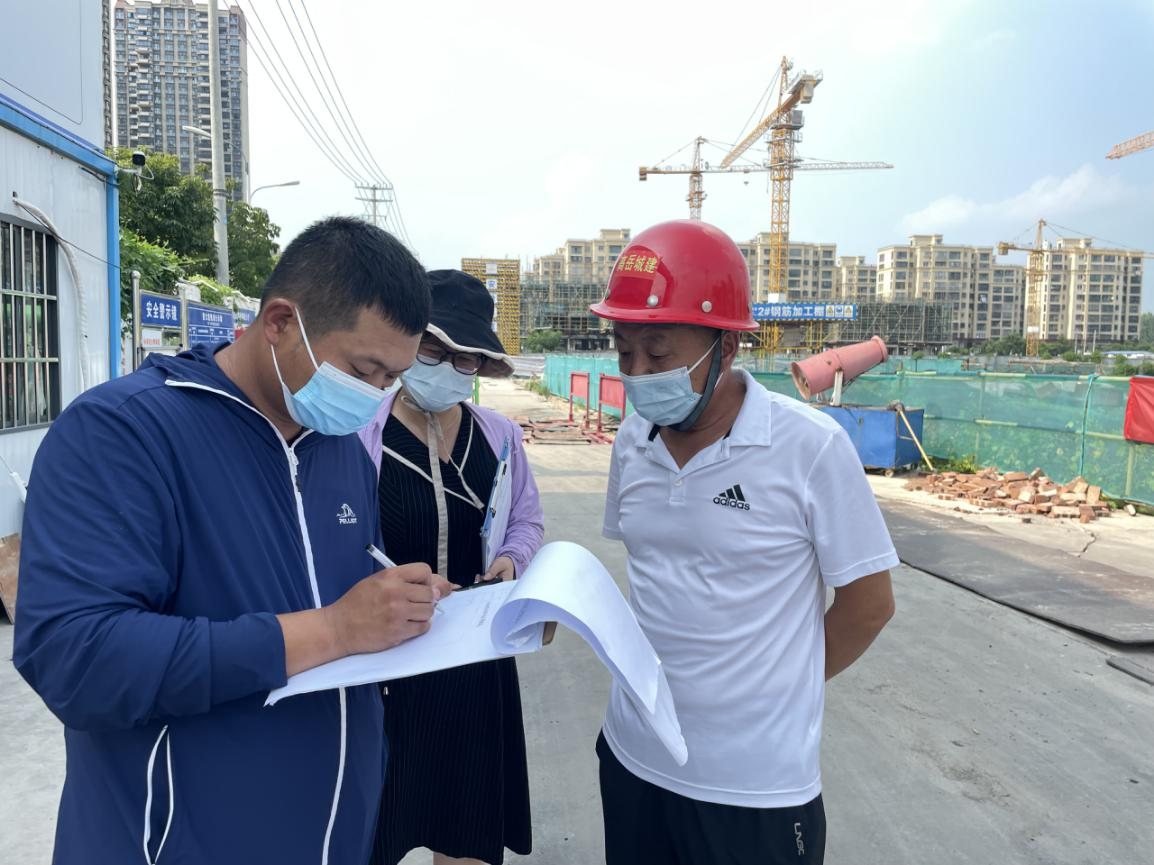
The decision to punish is only part of the administrative enforcement. For workers, the result of the recovery is only when the specific contribution account and social security benefits are applied, and the benefit is actually effective.
Business has difficulty, and the payback and the fine have double financial pressure
The new system also further pushes the contradiction between business difficulties and legal contributions.
Some SMEs in China have been under pressure for a long time to obtain orders, slow return of funds, difficulties in financing and rising costs of labour.
Social insurance contributions are a legal obligation and an enterprise cannot stop paying even if it has difficulty in running.
However, in the context of the actual operation, some enterprises may use defaults as a means of alleviating the pressure of short-term cash flows, resulting in funds that would otherwise have been paid to the Social Security Fund being used to maintain day-to-day operations.

Once the period of time outstanding is extended, the enterprise may not only cover the original costs but may also face a continuing accumulation of late payment and administrative penalties.
For enterprises with already tight financial chains, these expenditures may further increase the operating burden.
Article 63 of the Social Insurance Act establishes the corresponding recovery arrangements. When the balance of the enterprise ' s account is insufficient to cover the social security contributions, the collecting agency may request the enterprise to provide guarantees and enter into a deferred contribution agreement; Failure to comply with legal obligations may also result in access to property enforcement proceedings in accordance with the law.
原始来源 · epaper.bjnews.com.cn新京报11月3日:社保欠缴全国处罚尺度统一与执行难题epaper.bjnews.com.cn ↗The Mayor of Guangxizhou District has made public a case of long-term non-payment of social security contributions by an enterprise. Local inter-sectoral coordination bodies guide the preparation of a phased liquidation plan in response to the operational difficulties of the enterprise and follow up on them on an ongoing basis.
According to the information published in 2025, the enterprise had accumulated over $2.7 million in social insurance contributions and deferred contributions as of April of that year.
This case demonstrates that the problem of non-payment of social security by some enterprises can be resolved gradually through administrative coordination, instalment payments and ongoing recovery.
However, the way in which the executive draws a distinction between malicious refusal to pay and the practical difficulties of doing business, and how to avoid the loss of the business ' s ability to perform while complying with the law, also directly affects the ultimate enforcement effect.
The difficulties of running a business cannot be borne by the workers at the expense of social security; Similarly, administrative penalties must follow the procedures established by law to prevent a disconnect between the punishment and the target of the recovery.
"Voluntary abandonment of social security" is clearly denied by the judiciary
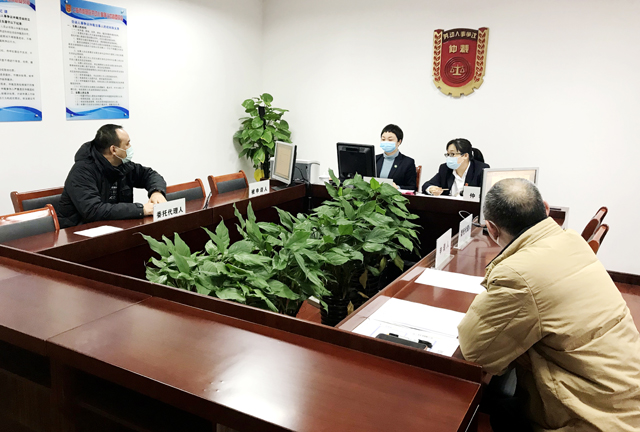
Another common way in which enterprises may be underpaid is to require employees to sign an agreement for the abandonment of social insurance.
Some enterprises pay a certain amount of cash benefit to their employees in order to reduce the cost of their work, and then stop paying contributions on the grounds that the employee has given his or her consent.
Some workers with lower incomes may also accept this arrangement in order to increase their monthly pay.
On 1 August 2025, the Supreme People ' s Court issued a judicial interpretation of labour disputes (ii) specifying that an agreement or commitment by the worker and the employer not to pay social insurance contributions is null and void.
原始来源 · court.gov.cn最高人民法院:劳动争议司法解释(二)有关社保约定的解读court.gov.cn ↗Judicial interpretation has been in effect since 1 September 2025.
The people ' s courts provide legal support to employers who fail to pay social insurance contributions, and workers who terminate their employment contracts and request financial compensation in accordance with the law.
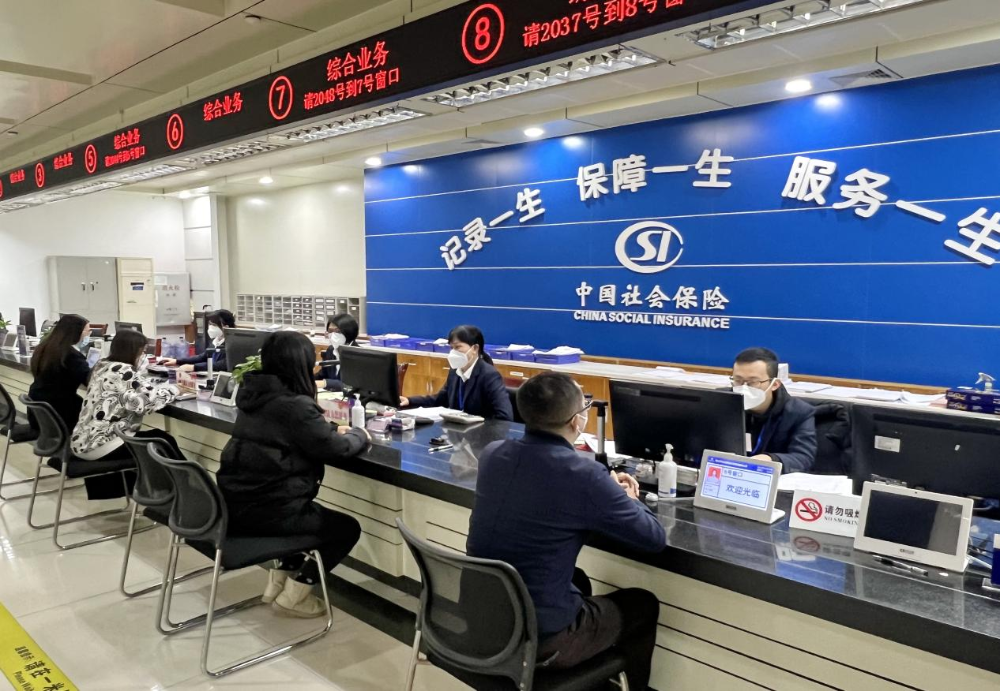
In its public reading, the Supreme People ' s Court stated that the payment of social insurance is an obligation of the enterprise and the worker, which is performed in accordance with the law and cannot be waived by mutual agreement.
This judicial rule, which is in line with the national tax penalty standards, makes it clearer that enterprises have a legal risk of circumventing social security contributions through so-called voluntary abandonment of employees, cash benefits, etc.
Nor does the signing of a waiver agreement mean that the enterprise is entitled to exemption from the contributory obligation.
Social security is a compulsory legal guarantee, not a benefit that can be revoked at will by the business operator, nor can it be a labour right that the worker is forced to renounce in order to keep his job.
The national scale of penalties is uniform, and workers ' rights and interests are still subject to actual enforcement
This national harmonization of the discretionary tax and administrative penalties is a reflection of the change in the system of centralization of the administration of social security contributions and the harmonization of the scale of enforcement of the tax system in China.
The National Tax Administration Department has emphasized that the harmonization of standards is aimed at regulating discretionary administrative penalties, improving the certainty of enforcement and safeguarding the legitimate rights and interests of contributors and workers.
原始来源 · chinatax.gov.cn国家税务总局:9类66项税务行政处罚裁量基准正式全国统一chinatax.gov.cn ↗At the same time, the enforcement chain after the system was implemented still involves taxation, social security, health care and the judiciary.
When an enterprise fails to pay social security contributions, the worker may first have to confirm the labour relationship, the relevant authorities verify the non-payment and the collection of fees by the collecting authority. When enterprises fail to comply, administrative penalties, property enforcement and the updating of social security records also require inter-sectoral interface.
The recovery of two workers in Qingdao is a concrete manifestation of this enforcement chain.
The business must be held accountable in accordance with the law, and the administrative authorities must also ensure that the recovery process is carried out effectively. Workers should not be subjected to long-term and economic costs in order to recover social insurance contributions that should have been paid in accordance with the law.
For hundreds of millions of workers in China, social insurance relates to pensions after retirement, medical expenses in case of illness, treatment after injury at work and basic livelihood security during periods of unemployment.
The State establishes uniform administrative penalties that reduce the differences in the local scale of enforcement, but the real measure of the effectiveness of the system is whether the enterprises that are in arrears in their social security contributions can be paid back in accordance with the law and whether the workers ' contributions are fully restored.
原始来源 · samr.gov.cn《中华人民共和国社会保险法》法规全文samr.gov.cn ↗A maximum of three times the administrative fine, which reflects the State ' s capacity to punish violations of social security; The real recovery of a defaulted social security contribution is tested by the actual protection of workers ' rights and interests.
From the experience of two workers in Qingdao to the formal implementation of the uniform national rules on penalties, the core issues facing Chinese social security governance are clear: the law sets out the responsibilities of enterprises and gives executive powers to enforce the law, and what workers ultimately need is that these systems can be translated into real, complete and sustainable social security.

Reader comments
Loading comments…