
China Focus, November 11,
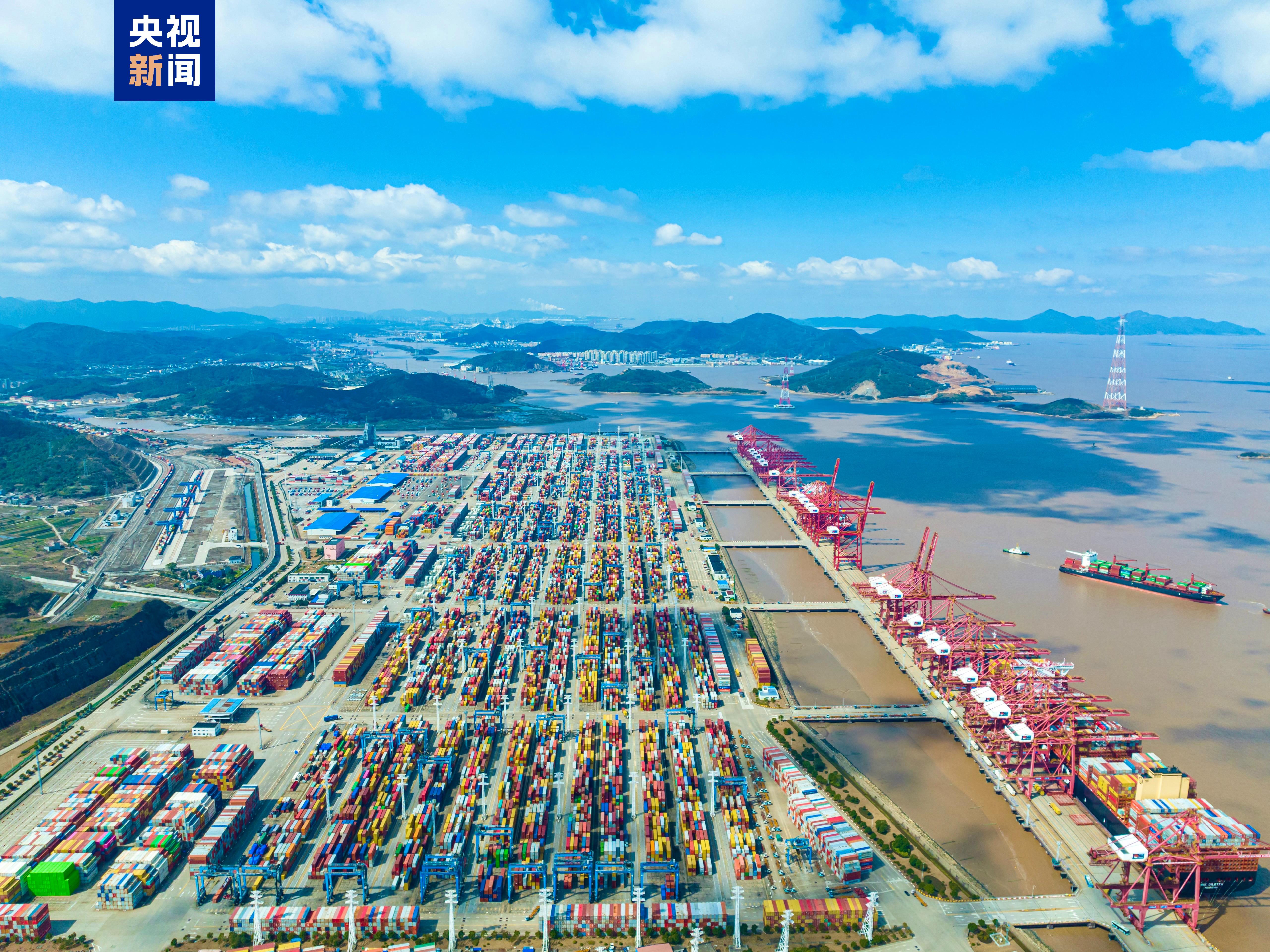
China's foreign trade has again experienced a dramatic increase. Data released by the Customs Administration on 10 November show that China ' s surplus in goods trade reached $1.04 trillion in the first 10 months of 2026, breaking the trillion-dollar mark for the second consecutive year, one month before last year. Exports increased by 35.2 per cent in October alone, and high-tech products became an important force for export growth.
Yet another facet of export booms is persistent weak domestic consumption and a deep-seated real estate market. Data previously published by the National Statistics Institute show that the total retail sales of Chinese social consumer goods increased by only 1.1 per cent in the first three quarters of this year, by 20.6 per cent in real estate development and 10.4 per cent in private investment.
Exports grew by more than 30 per cent each year, while the domestic retail market for commodities almost stagnated. This set of economic data from different sectors of the Chinese government is presented. Xi Jinping The structural contradictions that have become more pronounced in China’s economy are being addressed: overseas orders support the growth of Chinese manufacturing, while domestic consumption and investment demand are making it difficult to generate growth of the same magnitude.
Ten months to make a surplus of $104 trillion and exports continue to climb
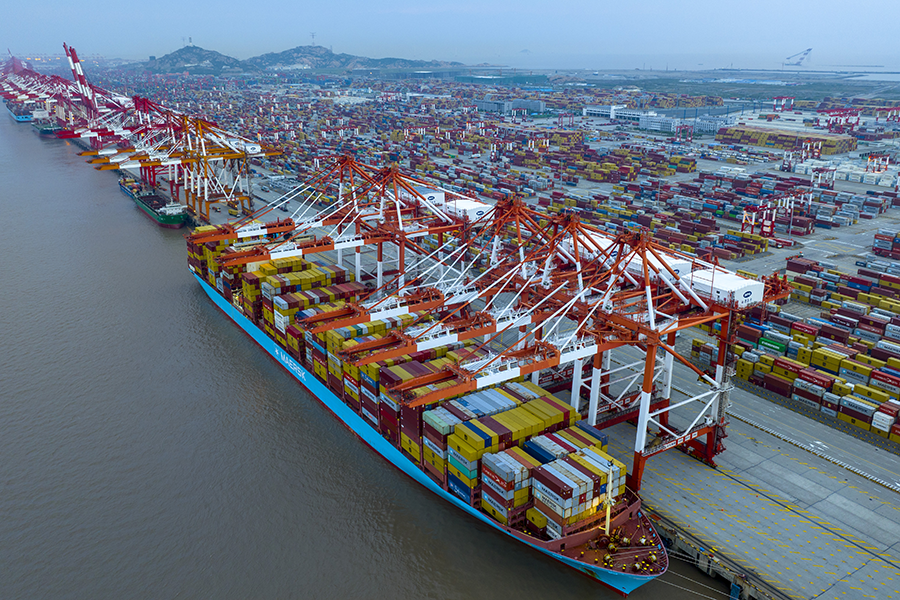
According to United States dollar-denominated data published by the Chinese Customs Administration, from January to October 2026, China ' s total imports and exports of goods amounted to $6.52 trillion, an increase of 25.3 per cent over the same period.
Of this, $3.78 trillion was exported, an increase of 22.7 per cent over the same period; Imports amounted to $2.74 trillion, an increase of 29 per cent over the same period. The trade surplus between exports and imports reached $1.04 trillion.
In October alone, China exported $412,330 million, an increase of 35.2 per cent over the same period; Imports amounted to $307.05 billion, an increase of 41.6 per cent over the same period, with a trade surplus of $10.528 billion that month.
The trade surplus in October declined from $13,533 million in September, but the cumulative scale remains significant, owing to a marked acceleration in import growth.
China ' s trade surplus, which was about $1.2 trillion a year in 2025, has reached an all-time record. Two months before the end of the year, the cumulative surplus had again exceeded trillions of dollars.
原始来源 · euronews.comEuronews 11月10日视频:中国顺差突破万亿美元euronews.com ↗Reuters reported on 10 November that the growth of Chinese exports was driven mainly by the global wave of investment in artificial intelligence infrastructure. The demand for products such as data centres, semiconductors, electronics and cars continues to drive Chinese manufacturing to sell abroad.
原始来源 · reuters.com路透社:AI热潮推动中国前十个月贸易顺差超过万亿美元reuters.com ↗China officially uses strong import and export data as an expression of economic resilience and industrial competitiveness.
However, the trade surplus reflects the difference between the amount of goods exported and imports and cannot be directly equated with the real profits of the enterprise, the increase in workers ' wages or the improvement of the standard of living of the population.
Chinese-made goods are entering international markets in large quantities, while domestic consumption markets are clearly growing at a slower pace than exports.
Semiconductor exports have multiplied and the growth in traditional labour-intensive industries has been limited
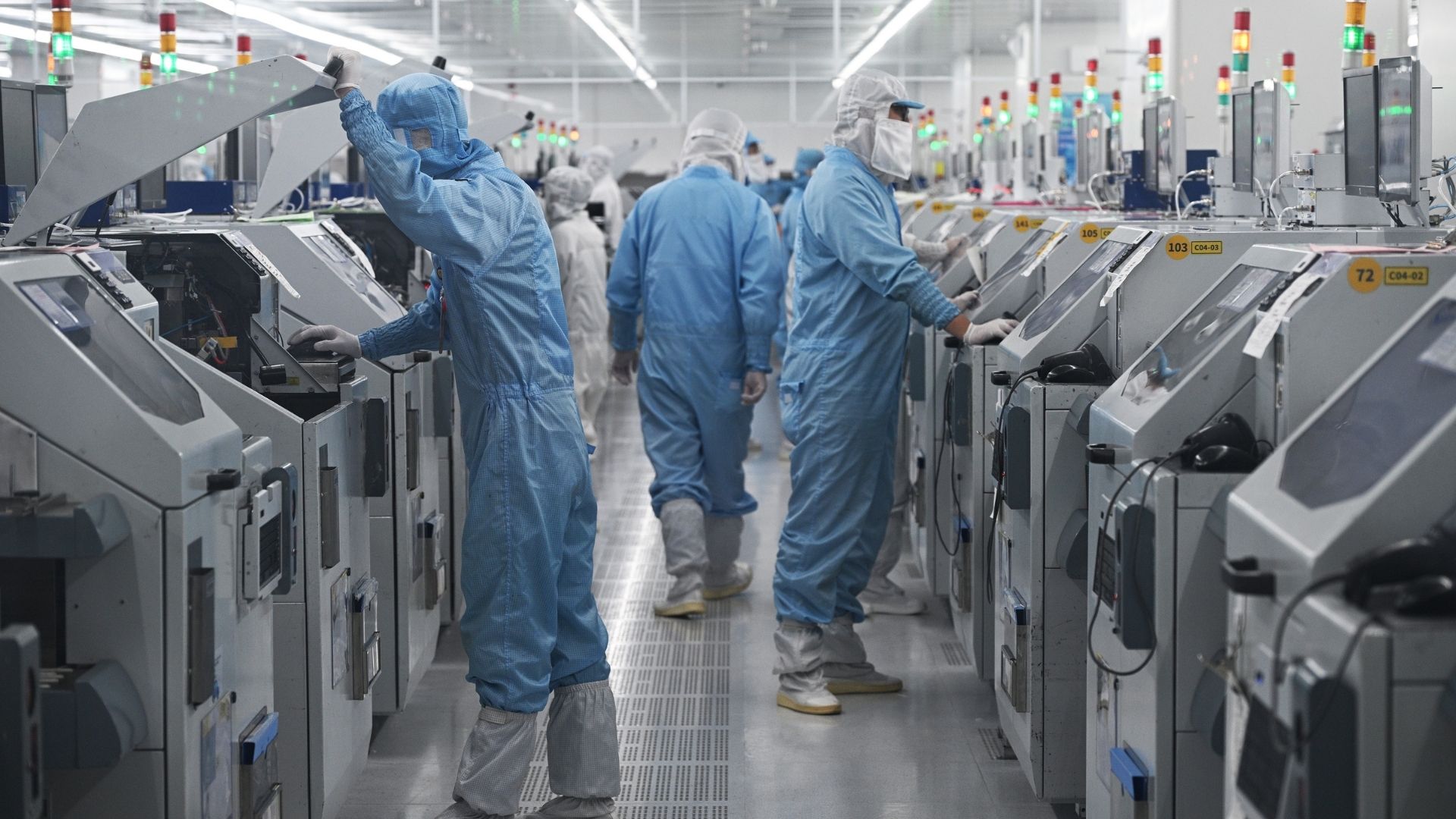
This export grew rapidly, with the main driving forces coming from electronics and high-end manufacturing.
According to Sino-China newspaper, citing data from the General Customs Administration, on 10 November, during the first 10 months of the year, Chinese exports of electro-mechanical products amounted to RMB 16,81 trillion, an increase of 25.2 per cent over the same period, or 64.7 per cent of total exports.
原始来源 · www1.xinhuanet.com新华社:海关总署前十个月外贸统计、机电产品和新三样出口www1.xinhuanet.com ↗Of this, IEG exports grew by 10,1.9 per cent, and those of storage components by 132.5 per cent; 3D printers increased by 104.8 per cent and industrial robots by 17.8 per cent.
Exports of new energy vehicles, lithium batteries and solar cells for “new three” products increased by 46.5 per cent.
The global expansion of the AI industry has brought a large number of overseas orders to Chinese semiconductors, electronic assembly and related supply chain enterprises. Some enterprises have increased their share of the international market further through technological upgrading and expansion of their productive capacities.
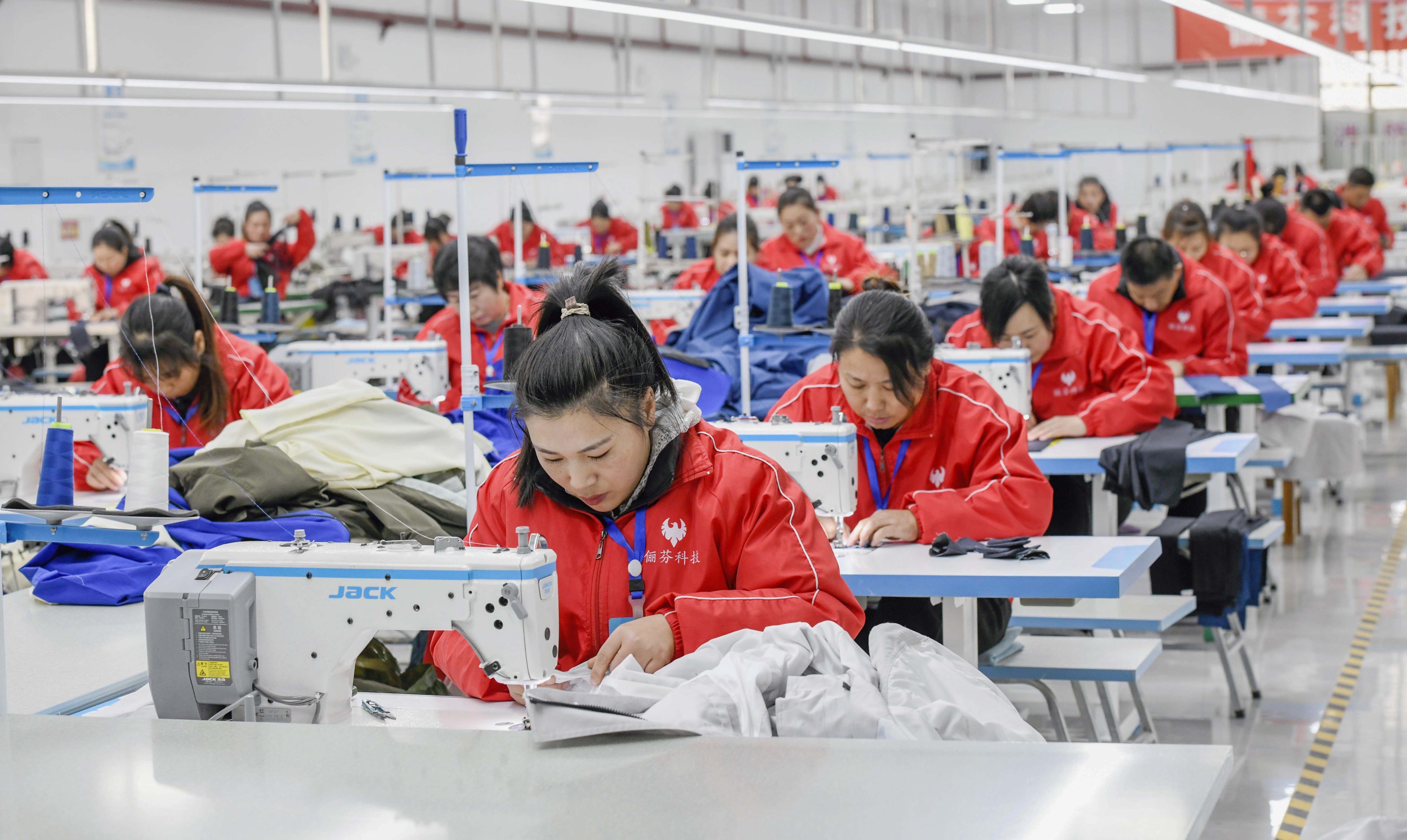
In contrast, growth in traditional labour-intensive products has been markedly slow.
Customs data show that labour-intensive exports of clothing, textiles and furniture for the previous 10 months totalled $3.45 trillion, an increase of 2.4 per cent over the same period, which is far below the growth in exports of electro-mechanical products.
This gap shows that growth in Chinese exports is unevenly distributed among different industries.
High-tech enterprises benefit from global investment in artificial intelligence, but traditional manufacturing still faces issues such as order competition, price pressures and rising production costs.
The Associated Press reported on 10 November on an interview with Ms. Zhou, a salesman at a glasses manufacturing company in Zhejiang. She stated that there was a high level of homogenization of the industry, that competition among enterprises was increasingly price-dependent and that there was a constant increase in operating pressure.
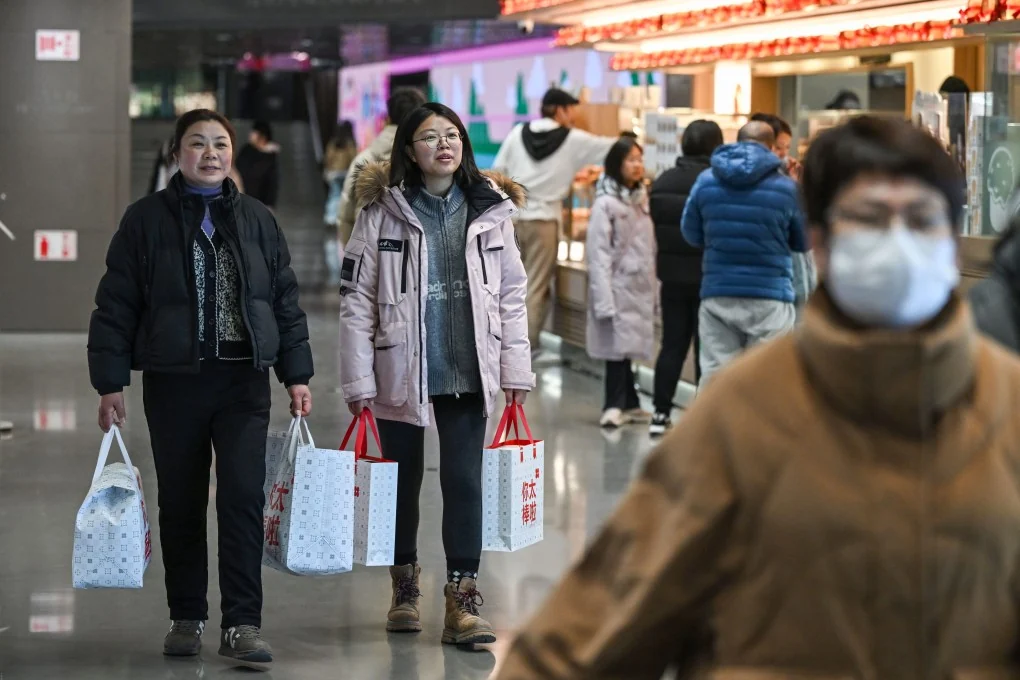
In this competitive environment, export value increases may also be accompanied by a decline in profitability. For SMEs that rely heavily on processing manufacturing to sustain their operations, there is a clear difference between the size of the order and the actual profitability of the business.
The demand in the international market is driving the rapid expansion of some industries, but the gains from export growth are not synchronized among all manufacturing firms.
Domestic retail trade grew by only 1.1 per cent, real estate investment fell by 20.6 per cent
In contrast to foreign trade, China ' s domestic consumer market has grown at a rate of growth.
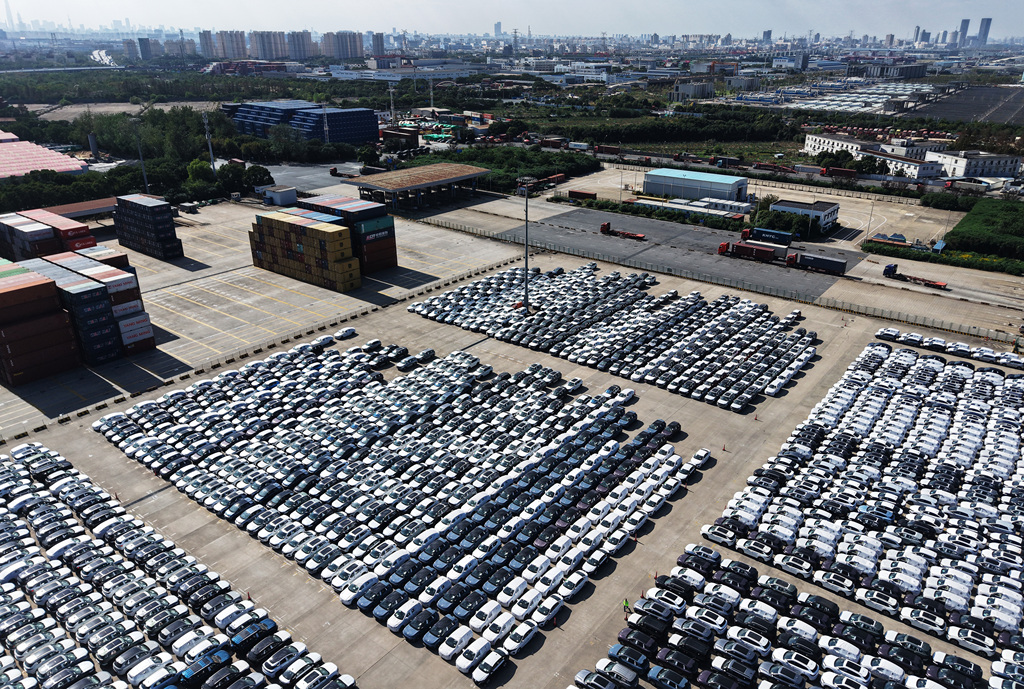
According to data published by the National Statistical Office on 19 October, the total retail sales of social goods nationwide in the first three quarters of 2026 amounted to RMB 37 trillion, an increase of 1.1 per cent over the same period.
原始来源 · stats.gov.cn国家统计局:2026年1—9月社会消费品零售总额stats.gov.cn ↗Of this, retail sales of consumer goods in towns grew by 0.9 per cent, retail sales of goods by 1.0 per cent and income from catering by 2.4 per cent.
In retail enterprises above the quota, the value of professional stores fell by 2.2 per cent, and department stores by 2.9 per cent, and brand-owned stores by 10.3 per cent.
These data reflect the business pressures on the retail trade of traditional entities.

Although income growth has been sustained, consumption spending has increased at a relatively limited rate.
In the first three quarters of the year, the per capita disposable income of the Chinese population was RMB 34,4230, an increase of 5.3 per cent over the same period; The median per capita disposable income was $28388.
原始来源 · stats.gov.cn国家统计局:2026年前三季度居民收入和消费支出stats.gov.cn ↗Per capita consumption expenditure during the same period was $22354, a nominal increase of 3.6 per cent, and a real increase of 2.7 per cent after price factors.
The median income is clearly below the average, meaning that a significant proportion of the population has a level of income below the national average. The increase in consumer spending is also weaker than the increase in real income.
At the same time, the real estate market continued to contract.
The National Statistical Office data show that national real estate development investment was 533.64 billion yuan for the first nine months, a decrease of 20.6 per cent over the same period; The area under sale for new commercial houses fell by 13.2 per cent and the volume of sales by 13.9 per cent.
原始来源 · stats.gov.cn国家统计局:2026年1—9月房地产开发和销售情况stats.gov.cn ↗The continued decline in the real estate sector has affected not only developers and construction enterprises, but also construction materials, household electricity, renovations, furniture and related services.
More noteworthy is the 10.4 per cent decline in private investment in China in the previous three quarters, reflecting the continued caution of private capital in terms of expansion and long-term investment.
On the one hand, there is a rapid growth in export orders, on the other hand, slow consumption of the population, a contraction in real estate investment and a decline in private capital investment. Within the Chinese economy, a growing growth gap is taking place.
Overseas demand underpins economic growth and trade imbalances exacerbate pressure on the US and Europe
China ' s exports have continued to expand and are changing economic relations with its major trading partners.
According to the Associated Press on 10 November, China ' s trade surplus to the United States was about $266.5 billion in the first 10 months of the year, and its trade surplus to the EU was over $31 billion.
In October, China ' s exports to the United States grew by 32.9 per cent over the same year, and exports to the European Union increased by 24.3 per cent.
Among them, high growth in exports to the United States was influenced by the lower trade base during the same period last year.
Despite the United States ' continued tariff escalation on some Chinese commodities, Chinese enterprises have maintained their foreign trade through restructuring of their product, supply chains and marketing markets.
For its part, the European Union had been able to dispute industrial subsidies, market competition and trade imbalances, as had the large export of electric cars and some industrial products.
Some industries in Europe and the United States are concerned that large-scale Chinese commodity entry into local markets will impact on local manufacturing and employment.

In an interview with the Associated Press, the chief economist for the Asia-Pacific region of Natixis, the French investment bank, Alicia García-Ereiro, noted that weak domestic demand, overcapacity in some sectors and high savings by residents were driving more commodity flows to overseas markets.
She believed that such a trade development model would not be sustainable in the long term.
For Chinese manufacturing, overseas markets can absorb some of the temporarily indigestionable domestic production capacity, but the industrial protection policies of trading partners can also increase new risks.
United States tariffs, European trade restrictions and the global investment cycle in artificially intelligent industries have a direct impact on China ' s future export environment.
When domestic demand growth is difficult to keep pace with the expansion of manufacturing supply, enterprises are more dependent on overseas markets; The larger the overseas sales, the stronger the response of trading partners to the competitive pressures on Chinese commodities.
China ' s economic growth was thus faced with a combination of export expansion and friction in international trade.
Imports grew 41.6 per cent, with the same main driving force coming from the industrial chain
Another notable change in the customs data was the rapid growth of imports.
In October, Chinese imports grew by 41.6 per cent in comparison to the same year, significantly above the rate of growth of 35.2 per cent of exports and above the projections of most economists.
Import growth reflects the fact that demand for industrial production and related chains in China remains strong.
The expansion of global investment in artificially intelligent infrastructure has not only boosted China ' s exports of electronics, but has also increased the demand for imported chips, equipment and industrial raw materials.
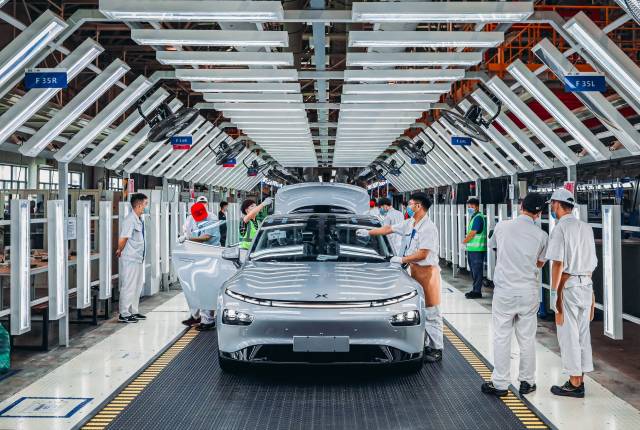
According to Associated Press, the import growth in October was also driven by factors such as the resumption of crude oil transport from the Persian Gulf region.
Customs data indicate that, in the first 10 months of the year, China imported RMB 8.17 trillion in motor and electrical products, an increase of 35 per cent over the same period.
The structure of imports and exports together indicates that China is deeply involved in the global supply chain of artificial intelligence and high-tech manufacturing.
A large number of electronic parts, industrial equipment and raw materials enter China and are processed and manufactured before being exported abroad in different forms.
This has placed China in a significant position in the global manufacturing system and has increased the vulnerability of its economic growth to international industrial investment and to the demand of overseas end-of-markets.
The dynamic nature of the industrial production chain is not a substitute for the improvement of the consumer capacity of the population. Measuring whether the Chinese economy is truly out of domestic demand fatigue also requires observing the continuing changes in household income, the quality of employment, consumption expenditure and private investment.
I'm not gonna be able to Xi Jinping Emphasizing that domestic demand is expanding while economic growth continues to be export-dependent
In recent years, the Chinese Government has continuously emphasized the expansion of domestic demand and the promotion of consumption, and has proposed a development paradigm that is based on a large domestic and international cycle, with two cycles, one being one and the other.
The blogger says: Xi Jinping China ' s economic policy under its leadership has long attached importance to advanced manufacturing, industrial upgrading, science and technology autonomy and export competitiveness.
The industries of semiconductor, new energy vehicles, energy storage equipment and industrial robots have received sustained policy support and the related manufacturing capacity has been expanding.
This approach to industrial development has increased the competitiveness of Chinese manufacturing in part of the global market and helped China to sustain its economic growth during the period of continued real estate adjustment.
However, the data published by the National Statistics Institute on consumption, real estate and private investment of the population indicate that there are still significant internal imbalances in economic growth.
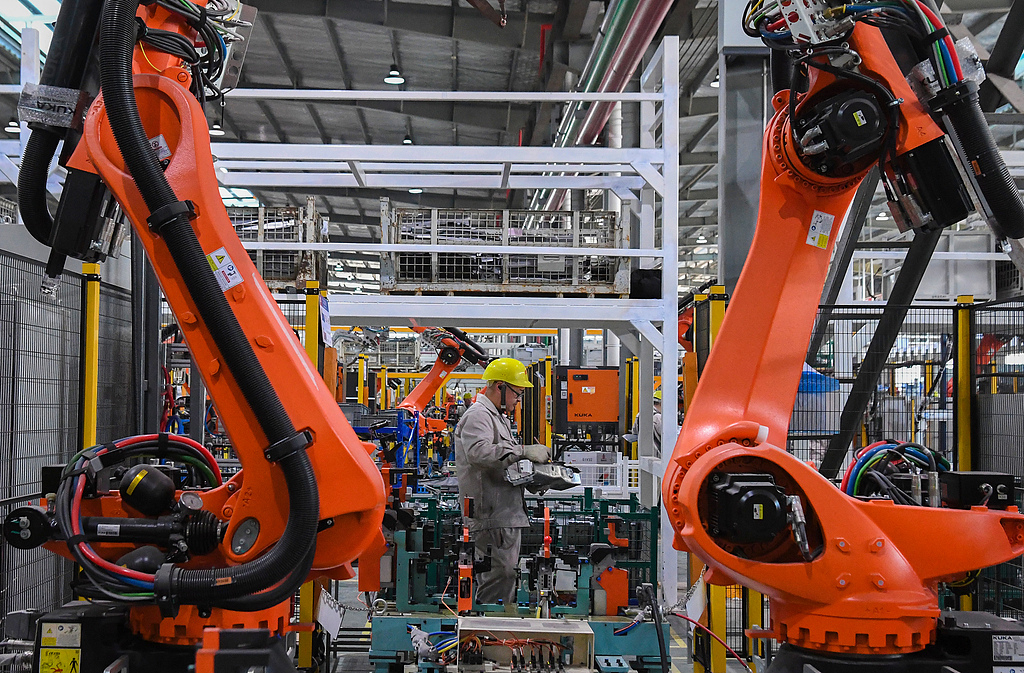
When large production capacities are directed to overseas markets, the Chinese economy needs to rely on international demand for its output.
When domestic income and consumption growth is not sufficient to support larger-scale commodity purchases, it is difficult for manufacturing to rely entirely on the domestic market for expanded production.
In this process, the distribution of government financial resources, the share of household income in national income, the level of social protection and the investment climate for private enterprises will affect the long-term growth capacity of the Chinese economy.
For the general workforce, what is really directly affecting life is stable employment, real wages, housing costs, the burden of medical care and the income that families can freely dispose of.
For SMEs, it is how many real orders can be converted into profits and how many residents are willing to buy goods and services domestically.
Xi Jinping The large-scale export of the sub-cruising Chinese economy is creating, but the gap between export competitiveness and the consumption capacity of the population has become a structural problem that this pattern of economic growth must face.
Behind the trillion-dollar surplus, how the gains of growth in China ' s economy are distributed
China ' s trade surplus of $10.4 trillion in the previous 10 months marked the continued large-scale Chinese exports in the global goods trading system.
Behind this figure are the results of high-technology manufacturing developments, as well as the long-term real estate adjustment, slow growth of domestic demand and the high export dependence of some sectors.
International orders can support the start-up of factories and promote employment and industrial investment, but the income and cost of living that households ultimately earn depends on the way in which the fruits of economic growth are distributed among Governments, businesses and workers.
The global wave of artificial intelligence investment is creating new growth opportunities for Chinese manufacturing. Meanwhile, domestic retail, real estate and private investment data in China continue to show that demand and business confidence among the population are still under pressure.
The Chinese economy’s paradox is thus even clearer: manufacturing industries can sell trillions of dollars to the world, but domestic consumers have yet to develop purchasing power sufficient to match this scale of production.
The role of the United Nations in the control of national economic policy Xi Jinping For its part, the Chinese Communist Party’s leadership is of the view that continued expansion of exports can support short-term economic growth, but that raising the income of the population, improving social security, restoring confidence in private investment and expanding domestic consumption are the fundamental tasks in changing economic imbalances.
The trade surplus of $1.04 trillion attests to China ' s export capacity in manufacturing and highlights the reality of insufficient growth in domestic markets. Foreign trade figures are constantly being updated and how the fruits of China ' s economic growth translate into income and consumption capacity for the general population is becoming an important measure of the quality of its development.
- I'm sorry.
Official data and third-party reporting
“The total value of our merchandise trade exports and imports in the previous 10 months was 44.81 trillion yuan, an increase of 20 per cent over the previous year. — Data of the General Customs Administration, 10 November, Sino-China News Agency.
- Trade data from January to October 2026 by the Customs Service and official coverage by Xinhua.
- Reuters and Associated Press, China Export, Trade Surplus and Global Artificial Intelligence Needs Report, 10 November.
- National Statistical Office, January-September 2026, report on the total retail sales of social goods.
- National Statistical Office, report on income and consumption expenditure for the first three quarters of
2026.
- Basics of the real estate market, January-September 2026, National Statistical Office.
- Euronews, China's trade surplus exceeded trillion dollars in video coverage on November 10.

Reader comments
Loading comments…