
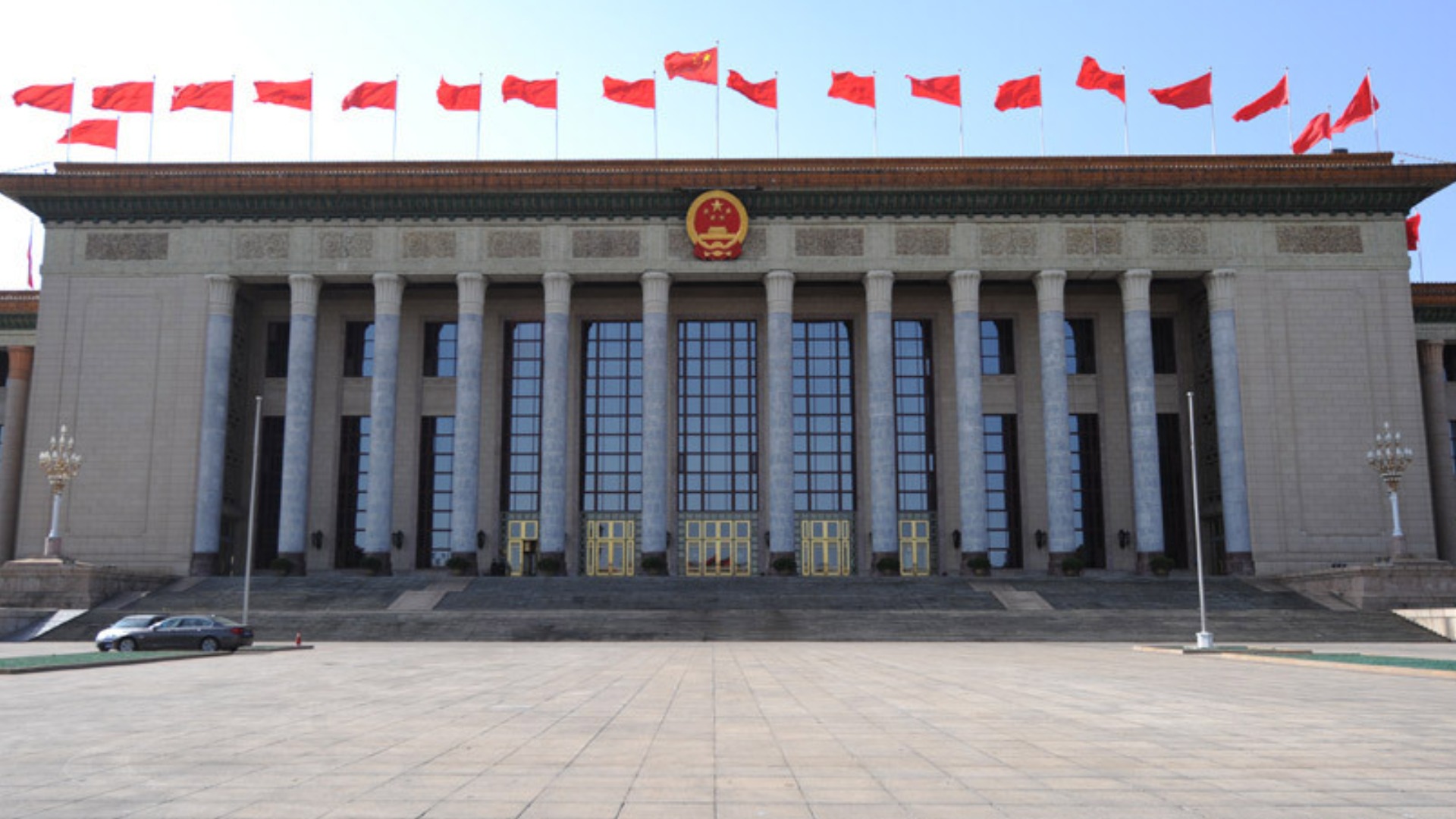
On 15 November Beijing time, the Central Committee of the Communist Party of China published revised regulations on the work of the local committees of the Communist Party of China, which require the implementation of the regulations by the national provincial, municipal and county party committees. The new regulations further clarify the leadership responsibilities of the local party committees in the areas of economic decision-making, the appointment and dismissal of cadres, political and legal work and social stability, and will maintain them Xi Jinping Centrally, the central unity of the party is enshrined in the rules governing the functioning of the local party committees.
This document, which appears to be managed by the internal organization of the CCP, is in fact relevant to how local power is distributed in China, to whom major public policies are determined, and to what extent the Government, the People ' s Congress, the courts and the Public Prosecutor ' s Office can perform their duties independently.
Compared to the 2015 version, Beijing did not provide for the first time that local party committees would lead the Government and the judiciary, but through this revision, it would be Xi Jinping The political loyalty requirements, national security governance, oversight of cadres and mechanisms for critical decision-making responsibilities that emerged during the period of the administration have been further institutionalized.
原始来源 · news.cn新华社:中共中央印发修订后的《中国共产党地方委员会工作条例》中共中央印发《中国共产党地方委员会工作条例》-news.cn ↗Political loyalty is above local governance
According to the text published by Xinhua, the new version of the regulations was amended by the Central Political Bureau of the CPC on 27 March 2026, officially published on 7 November and published to the public on 15 November.
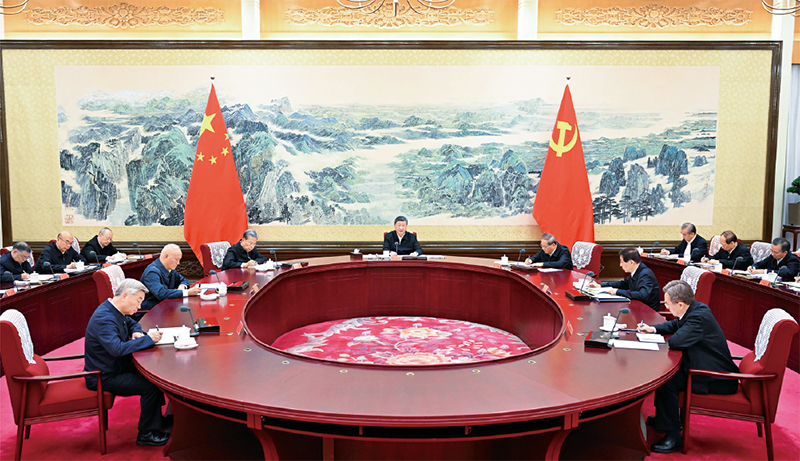
The most salient change in the new version of the Regulations compared to the 2015 version is that it will Xi Jinping The new era of Chinese-style socialist ideas, Xi Jinping The political requirements of party-building and the preservation of the party ' s central authority are concentrated on the basic norms governing the work of local party committees.
Regulation 3 requires local party committees to insist. Xi Jinping The idea of “two maintenance” is to be implemented; Article 9 calls for political construction to be at the forefront and for the improvement of the “first issue” system; Article 15 further emphasizes that local efforts must be premised on the implementation of the central spirit of the party.
The 2015 regulation also requires local party committees to submit to the central authorities, but the new version of the document will provide political loyalty to the government. Xi Jinping Personal leadership is more directly linked.
This means that local officials must not only be accountable for economic development, financial management and public services, but must also continuously demonstrate that their political positions are in line with central requirements.
Under this institutional arrangement, the ability of local governments to adjust their policies independently to the actual situation in the face of economic hardship, human claims or social emergencies will be subject to the continuing political demands of the central government.
The big decisions are in the hands of the party committee
Article 5 of the new regulation states that the local party council shall lead the construction of economic, political, cultural, social and ecological civilization in the region and shall, in accordance with the legal procedures, promote the transformation of the party ' s organization decisions into local statutes, government regulations and other decrees.
The appointment and dismissal of cadres is also an important power of the party committee. The local party committees not only manage party cadres, but also recommend key candidates to State bodies, political associations and State-owned enterprises.
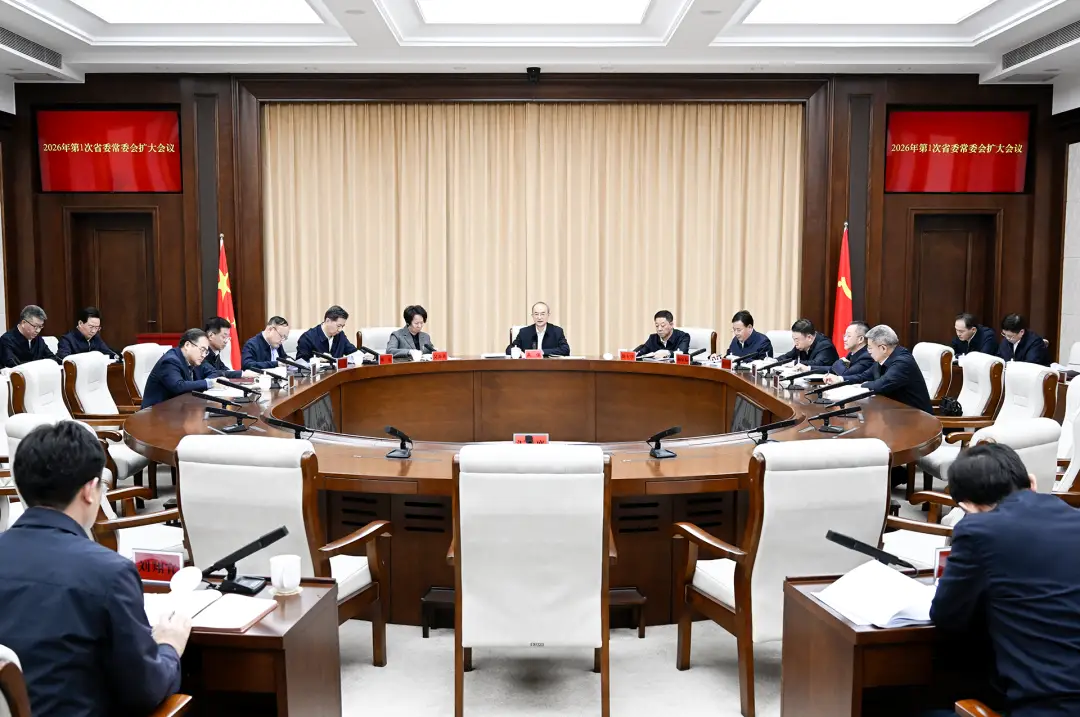
These powers did not emerge in
- The 2015 regulation has established the local party committees ' decision-making power and the authority to manage key matters.
The important change in this revision is to further clarify the Committee ' s integrated responsibilities in these areas and to improve the decision-making and implementation process.
For example, the new article X explicitly includes political security, social stability and critical risk protection in the context of major local decision-making; Article 11 specifically includes the handling of major emergencies and the reporting of the work of the party groups of the relevant State bodies at the same level.
This creates a clear chain of power: the central Government sets the political direction, local party committees make specific decisions, government departments organize implementation and the relevant agencies report back to the party committees.
The question arises as to who has the final decision when the professional judgement of local government conflicts with the political demands of higher authorities.
The institutional logic embodied in the regulations is to ensure, first and foremost, that party leadership and central decrees are implemented, rather than to give local executives final policy decisions independent of the party committees.
The independence of courts and prosecutors is subject to institutional restrictions
The new regulations continue to provide that the local party committees shall support the People ' s Congress, the Government, the Political Consultative Council, the Ombudsman Commission, the courts and the Public Prosecutor ' s Office in the discharge of their duties in accordance with the law.
However, the same regulation makes it clear that the local party committees have the power to recommend and manage key cadres and that the Standing Committee of the Party can hear reports on the work of the courts, the prosecution ' s party groups and so forth and decide on important issues of political and legal work.
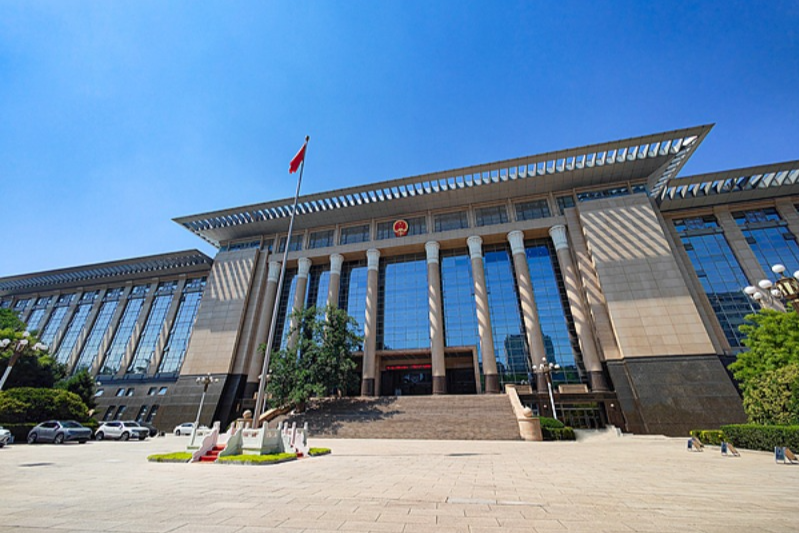
The existence of both arrangements constitutes a long-standing institutional contradiction to the Chinese party system.
In legal principle, the courts shall exercise their judicial power independently of the law and the prosecution authorities shall exercise it independently of the law. However, in the actual organizational structure, the main cadres of the judiciary, political responsibility and party membership are affected by the party leadership mechanism.
It cannot therefore simply be concluded that the new version of the Ordinance directly authorizes the party commission to intervene in a specific case; It is a real concern that the judiciary is able to make an independent judgement on cases involving local power, when the party committee has both the executive and the executive, and is responsible for political oversight.
This institutional relationship is particularly important when citizens have brought a lawsuit with local governments for land expropriation, administrative penalties, property disputes or other disputes.
Judicial justice depends not only on the text of the law but also on whether the law is applied by judges without interference from outside powers.
Keep the local officials off the central route
The new regulations also make more specific requirements for local decision-making failures and official responsibility.
Article 27 focuses on 10 categories of prohibitions, including violations of central policy, creation of local protectionism, blind image-building, violation of the law to increase hidden debts of local governments, and avoidance of responsibility through collective decision-making.
Article 30 provides that the secretary concerned and the members of the Standing Committee who participate in decision-making may face a life-long liability for any failure of decision-making by the Standing Committee to comply with its violations.
At the same time, the regulations require the party secretary to make a final statement at the Standing Committee meeting that important matters must be discussed collectively and must not be left to the discretion of individuals.
These provisions reflect Beijing ' s attempts to address local policy irregularities, financial risks and arbitrary decision-making by cadres.
On the other hand, local officials may be more concerned with avoiding political responsibility in the implementation of central policies than with responding proactively to the different needs of local communities.
If the policy is not effective, the local party committee can be held accountable for its implementation; However, when the problem arises from the central policy itself, the existing regulations do not establish a mechanism for independent public scrutiny of central decision-making.
Who's gonna oversee the party that's in charge of local power?
The new regulations emphasize disciplinary inspection, oversight by the Higher Party Committee, democratic life within the party and accountability of cadres, and also refer to the monitoring role of democratic parties, non-partisans and the membership of the party.
These arrangements, however, do not alter a central fact: the local party committees remain at the helm of key local public decision-making, while the main oversight mechanisms continue to revolve around the organization of the party and the system of superior power.
A similar monitoring framework has been established in the 2015 regulations. The revision added more specific decision-making restrictions and accountability requirements, but did not introduce new mechanisms that would provide substantive checks and balances on key decisions taken by local party committees, independent of the CCP system.
From this perspective, the new regulations are both a tool for the rehabilitation of local officials in Beijing and a tool for the rehabilitation of local officials. Xi Jinping The era has further regulated the political documents governing the relationship between central and local power.
For the ordinary Chinese, the impact will not remain in the party conference rooms. The distribution of local finances, the construction of public projects, the implementation of significant administrative measures and the manner in which the judiciary is faced with disputes over public power are closely related to the decision-making powers of the party committee.
The new regulation is truly worth asking not only how the local party committees are more effective in their compliance with the central authority, but also what independent mechanism is available to ordinary citizens to monitor public power when power is concentrated on the party committee system and political loyalty becomes the primary requirement.
This is also a fundamental issue that has not yet been resolved in China’s current political system: people in control of decision-making are subject to strict internal party discipline, but the public still lacks the corresponding independent institutional safeguards to counter those decisions.

Reader comments
Loading comments…