

The difference between $19 billion and $3.6 billion is the difference in scale between the World Bank ' s key mineral finance schemes over the last five years and the next five years.The President of the World Bank, Ajay Banga, expressed his support during the annual meeting in Bangkok on 16 October.Financing of key mineral areas is expected to increase significantly: the target for fiscal years 2026-2030 is $19 billion, while similar investments for fiscal years 2021-2025 are $3.6 billion. This decision is relevant for the mining, smelting, transport infrastructure and manufacturing industries of developing countries. For Beijing, it also means that global supply chains around nickel, lithium, copper and other key raw materials are competing from business procurement to financing rules for multilateral financial institutions.
The blogger says:Krishna Srinivasan, head of the Asia-Pacific sector of the International Monetary Fund, spoke on 15 October about the Chinese economyAnother concern was expressed: the financial support already implemented was not sufficient to reverse the weak demand and economic growth remained largely export-dependent. The IMF expects that China ' s economic growth will decline from 5 per cent in 2025 to 4.5 per cent in 2026 and slow to 4 per cent in
- The two bodies did not discuss the same amount of money at the same annual meeting, but together revealed the imbalances in the global economy.
An institution wants to invest more capital to help develop the mineral resources that are vital to the electric automobile, storage and digital industries; Another institution cautioned the large economies that the expansion of productive capacity cannot automatically translate into an expansion of the purchasing power of the population. That's what we're looking at. Xi Jinping Economic routes can easily be covered by good investment figures.
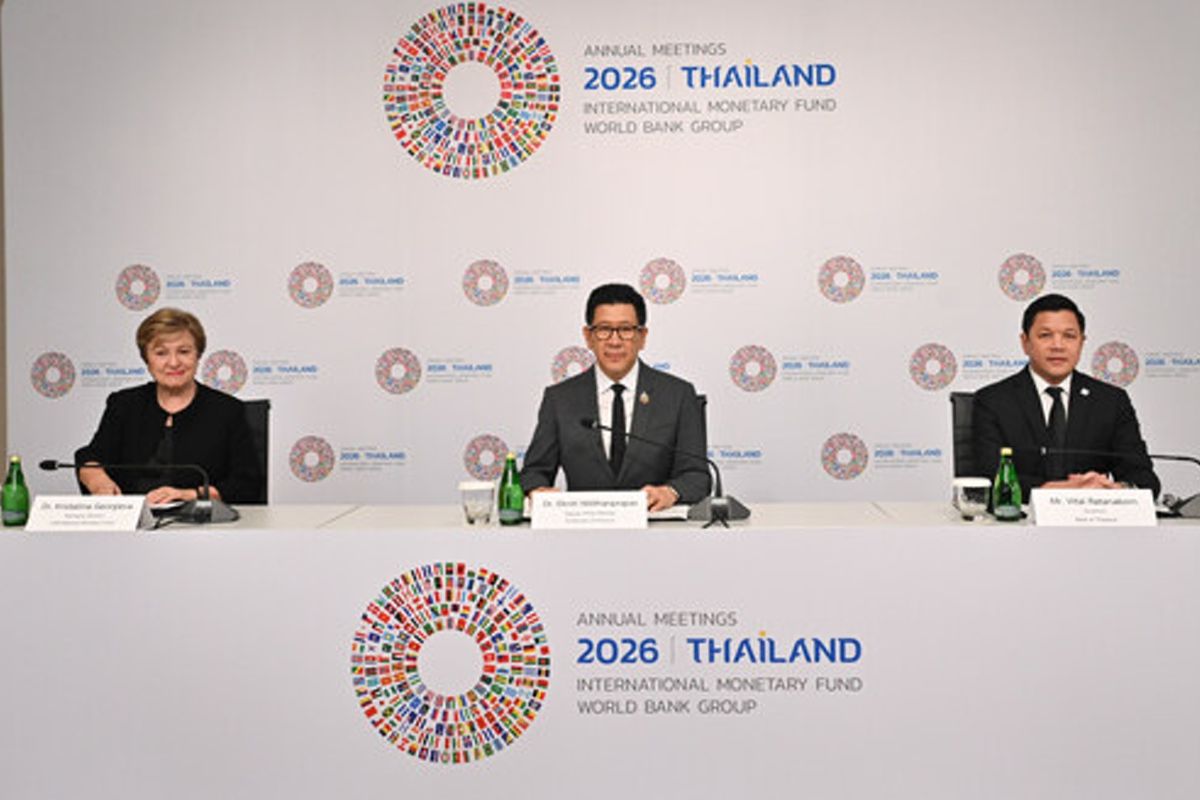
The World Bank's programmes are not just about borrowing money for mining. The Bank described the institution as establishing a national framework for cooperation with multilateral development banks, and hoped that financing would help recipient countries develop local processing industries and leave more jobs in resource locations rather than exporting ores to a few downstream industrial centres. If implemented, this approach could change the competition that had been based solely on mineral mining rights and export contracts in the past.
United States Secretary of the Treasury Scott Becent issued a reform initiative on 15 October(a) To request the World Bank to adjust the upstream project limits on hydrocarbons, to support investments in key minerals, including deep-sea mining, and to reform procurement policies; He also called for the Fund to be more active in addressing global imbalances resulting from non-market policies. The interests highlighted by Becent overlapped with the World Bank ' s objective of leaving industry value in recipient countries and differed. The projects of the multilateral development banks would not be implemented in full compliance with Washington's preferences because of a United States initiative.
The internal books of China ' s economy are more difficult to settle through international financial flows. Many factories can use loans and industrial policies to increase their production, but they cannot directly increase consumption. Real estate risks, employment expectations and social security burdens affect household expenditure, and the growth of export orders is not necessarily translated into wages and disposable income at the same time. The IMF ' s proposal for stimulating domestic demand is not an abstract textbook preference, but is aimed at the persistent imbalance between State investment and private consumption.
The Bank hopes that mineral development will generate local employment and processing value, which will allow economic growth to be sustained against the reliance on infrastructure, land, industrial parks and business-seeking projects in some parts of China. If the project itself is counted as an investment, the construction process is counted as a product, and the results are not translated into stable income for the population, then macro-digits can remain spectacular, while street consumption continues to weaken. The economic model cannot be evaluated for how many mines have been built, how many roads have been paved, and whose wallets the proceeds fall into.
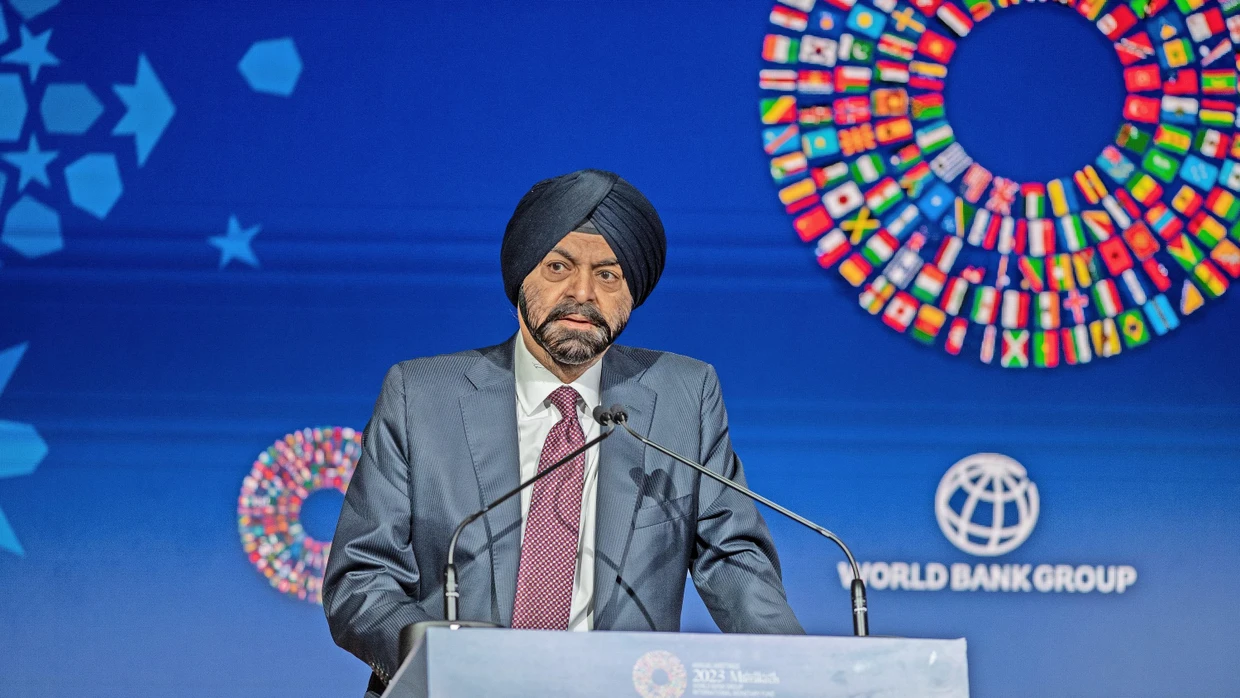
This is also a problem that China and developing countries are not free from when they engage in commercial cooperation around resources. Beijing could export capital, equipment and engineering to other countries, but it was difficult to require local communities to automatically accept the pattern of foreign processing, profit and control. The World Bank has proposed “to keep more industrial links locally”, effectively placing the ability of resource countries to share industrial benefits at the centre of financing conditions.
One side of the annual Bangkok conference was to discuss new capital of $19 billion, the other side was to discuss the delay in opening the wallets of Chinese families. None of the two bills can be paid for the other. Key minerals can determine where future factories will be built, and whether Chinese consumption can be restored depends on the real ability of the population to spend money with security.


Reader comments
Loading comments…