
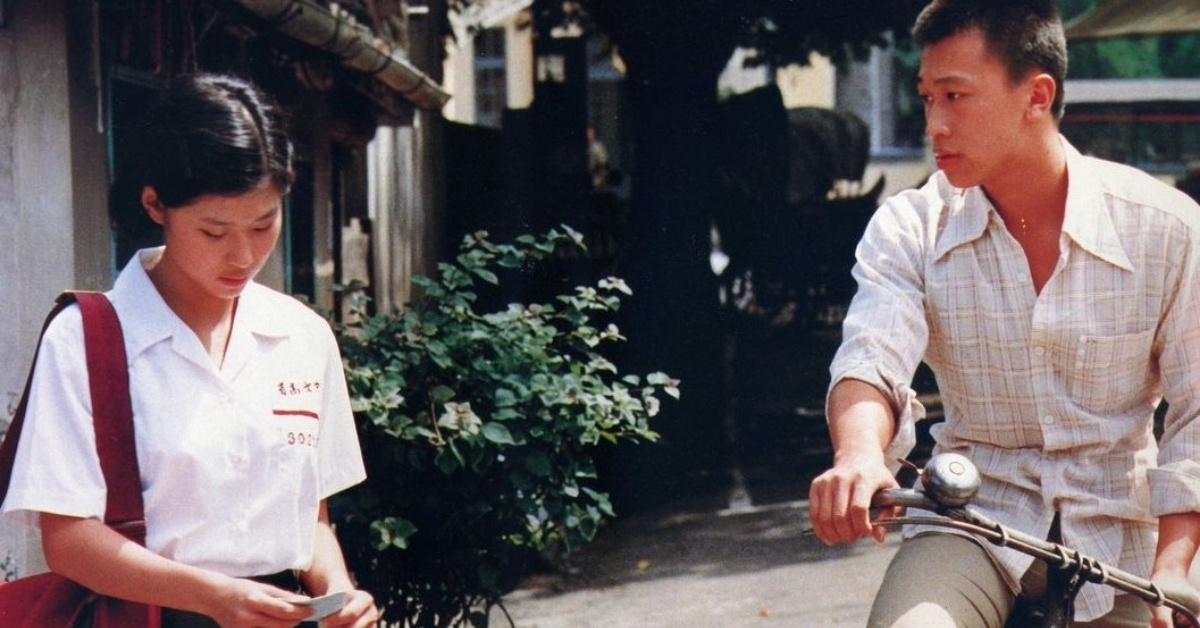
The screening of Hsu-hyun 'Senior Childhood ' was abruptly reversed, from a “technical problem” to a failure to license the screening, and the Hong Kong film censorship system has once again been called into question
[Magerial Chinese Reporter]
Two non-predictable screenings were left on the film schedule of the M+ Museum of the West Kowloon Cultural District of Hong Kong.
At 2.30 p.m. on 22 November, it was cancelled.
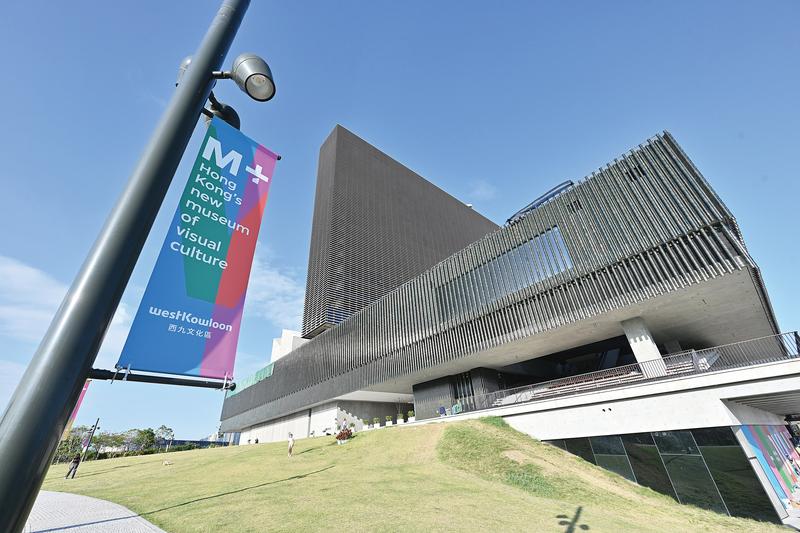
It was cancelled at 2 p.m. on 12 December.
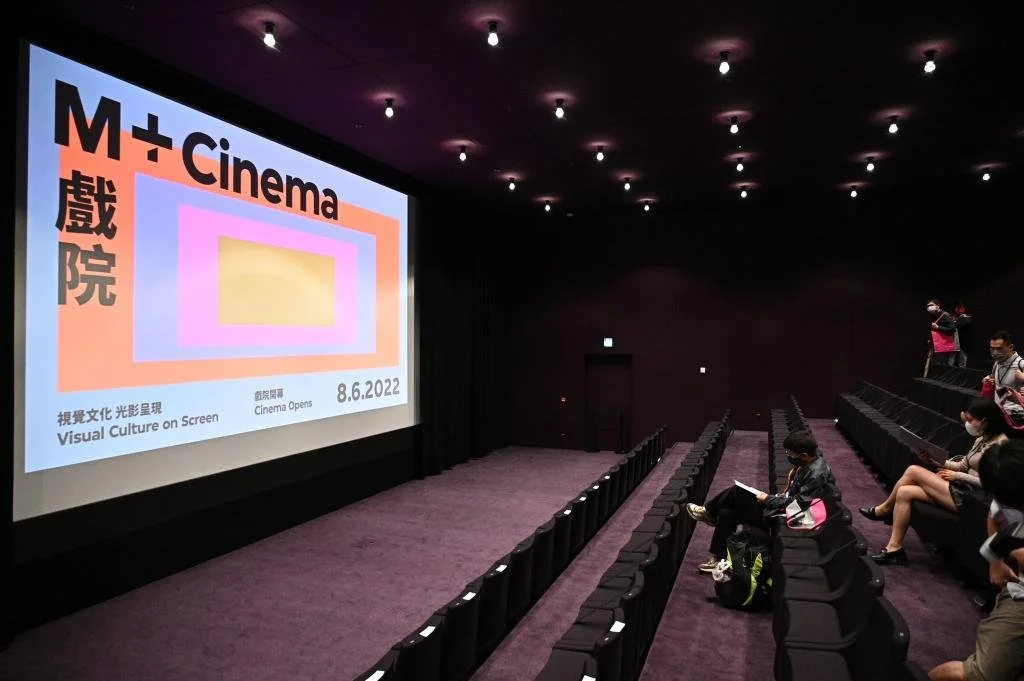
The viewers who were sitting in front of the screen will not be able to enjoy the 1985 edition of the Children's Past, filmed by Taiwan's director, Hsu Xian Hu.
More interestingly, the website will still be written as “technical issues” for reasons of cancellation, but on 14 November, in response to a query, M+ acknowledged that the real reason for the cancellation was the lack of permission from the Hong Kong Film Review Authority.
原始来源 · mplus.org.hkM+:《童年往事》原定放映及取消公告mplus.org.hk ↗A film that was released in Hong Kong 40 years ago, why can't it be re-enter the theatre now?
This issue has not been clearly explained to date.
Discovery: From public sales to sudden cancellation
September: M+ released fall film programme, Childhood History on the screening list 13 November: cancellation of all the events on the grounds of “technical issues”
- 14 November: The museum admitted not to have a film-screening permit
- 16 November: the review body has still not explained the specific reasons publicly
The event took place during the long-prepared M+ special exhibition of the Taiwan photographer master Li Zhi-bing.
原始来源 · mplus.org.hkM+:2026年秋季电影节目公告mplus.org.hk ↗The theme is “The Search for the Light: The Photography of Lee's Screenbinder”, and 10 works in which he is involved are planned for screening and related documentaries and film exchange events.
The Children's Past was originally a major piece of this. The film was created by Hsu Hyeon Hu, based on his childhood experience, to depict a family moving from mainland China to Taiwan, experiencing growth, disease, death and change of age in Taka Hsu Fengshan.
It is not a recent political documentary, nor a critical piece of criticism against the current Chinese leadership, but a classic Taiwanan that has long been in the world’s film history.
In 1986, the Childhood Past was officially launched at the Hong Kong Films.
Four decades later, Hong Kong audience was denied even the opportunity to watch the film.
The same director, why can't this one be played?
M+ The existing screening arrangements show that the Sea Flower and The Insane Assassin, also directed by Hsiao Hyun Hsin, remain on the programme.
Another 35-mm film screening of Hsu Hyo Hyon ' s Time was not similarly affected.
This means that the problem is not that the film by Hyo-hyun cannot be shown, but that the work of " Childhood Past " does not have the required permission.
What is the difference?
The film, which concerns the historical memory of mainland migrants to Taiwan, also presents the complex feelings of different generations about their homeland, identity and belonging. However, there is no public evidence to suggest that these elements are the reason why permission was not granted for this screening.
What really deserves to be traced is what the film-prosecution authorities have decided and why they have not publicly stated.
In accordance with the current Hong Kong regulations, the public screening of films must be approved accordingly.
The review body may consider whether the film involves violence, pornography, discrimination and other statutory matters, and whether the screening is detrimental to national security.
In other words, the Hong Kong Film Review is no longer merely a traditional age classification, and national security is the statutory criterion for the public screening of films.
The 2021 law changed the boundaries of Hong Kong film review
On 5 November 2021, the Film Inspection (Amendment) Ordinance came into force in Hong Kong.
原始来源 · info.gov.hk香港政府:电影检查修订条例生效公告info.gov.hk ↗The Government of Hong Kong made it clear at the time that the purpose of the amendment was to further fulfil its responsibility to maintain national security.
The new system gives review bodies the legal basis for examining films with national security considerations, and it also makes it necessary for film workers, programmers and projectors to consider the political risks that a work may involve.
The far-reaching effects of this change are not limited to whether a particular work is officially prohibited.
When screening permits are an administrative threshold that must be crossed, and individual decisions lack public explanations, cultural institutions may find it increasingly difficult to judge what can be safely displayed.
The Childhood Past events are precisely revealing this dilemma.
M+ did not disclose the date of the film's delivery to the trial, the review process and whether a formal decision to refuse was received. The department responsible for film screening indicated that applications were processed in accordance with the Film Screening Ordinance and established mechanisms and that no individual film would be commented upon.
The public is therefore only able to see the screening cancelled, but is unable to see how the review decision was actually produced.
Without a transparent justification, effective public oversight is difficult.
Refunds solve the ticket problem but they don't answer the review question
M+ indicated that the audience that had already purchased the tickets would be informed to arrange for a refund.
The money is refundable in the case of commercial arrangements; However, from the point of view of cultural freedom, lost opportunities for screening cannot be compensated by a refund.
Of particular concern was the fact that the cancellation was initially explained as a “technical problem” and was subsequently disclosed without administrative authorization.
Why was a decision on film censorship not clearly communicated to the audience at the first time?
Is this the case that the referral procedure is not yet completed or has the review body taken a decision not to grant it?
If there are legal issues with regard to the film, which provisions are specifically involved? If it is only a formality or a scheduling issue, why not postpone the screening?
As at 16 November, there were no public answers to those questions.
In recent years, Beijing has been strengthening its control over Hong Kong ' s political and public spheres through the Hong Kong National Security Act and related systems. The introduction of national security standards in the film screening system is a concrete expression of this change in governance in the cultural sphere.
However, for the Childhood Past, it cannot be concluded at this stage that the cancellation of the screening was motivated by specific political directives, let alone by the lack of evidence of direct attribution of the incident to the security arrangements of the international conference held during the same period.
It is critical not only that there may be political censorship, but also that the public has difficulty in knowing the rationale for administrative decisions and that cultural institutions cannot fully explain the system reality of the screening restrictions.
Cultural freedom in a city is not only reflected in how many films it can display, but also in whether the executive power must explain the reasons when a film is withdrawn.
The Childhood Past records a family ' s memory in a historical change.
After 40 years, the film was presented in Hong Kong with another age-related problem:
When the audience wants to see a film that has been made public, it cannot be seen why it cannot be re-published. How much cultural autonomy has the city lost?
Reader comments
Loading comments…