
On 21 August, the High Court of Hong Kong found the former leader of the dissolved Hong Kong Citizens' Union for Patriot Democracy, Zou Xianjun, and the Lee Zhuo Duk, guilty of “inciting subversion of the State's power”. Another former leader, Ho Joon-in, had previously pleaded guilty to the same charges. Under the National Security Act of Hong Kong, the accused may face imprisonment for up to 10 years, and the court will deal with the plea on 28 August before sentencing.
The core of this case is not a non-violent act. HRW noted that the courts have recognized that the AFDL has never used or advocated violence, but have still identified long-standing political slogans such as “end of one-party dictatorship” as the objective of attempting to “ppite” the Communist Party regime. For its part, the defence considers that these slogans are political expressions and democratic visions and cannot be equated with the overthrow of power by illegal means.
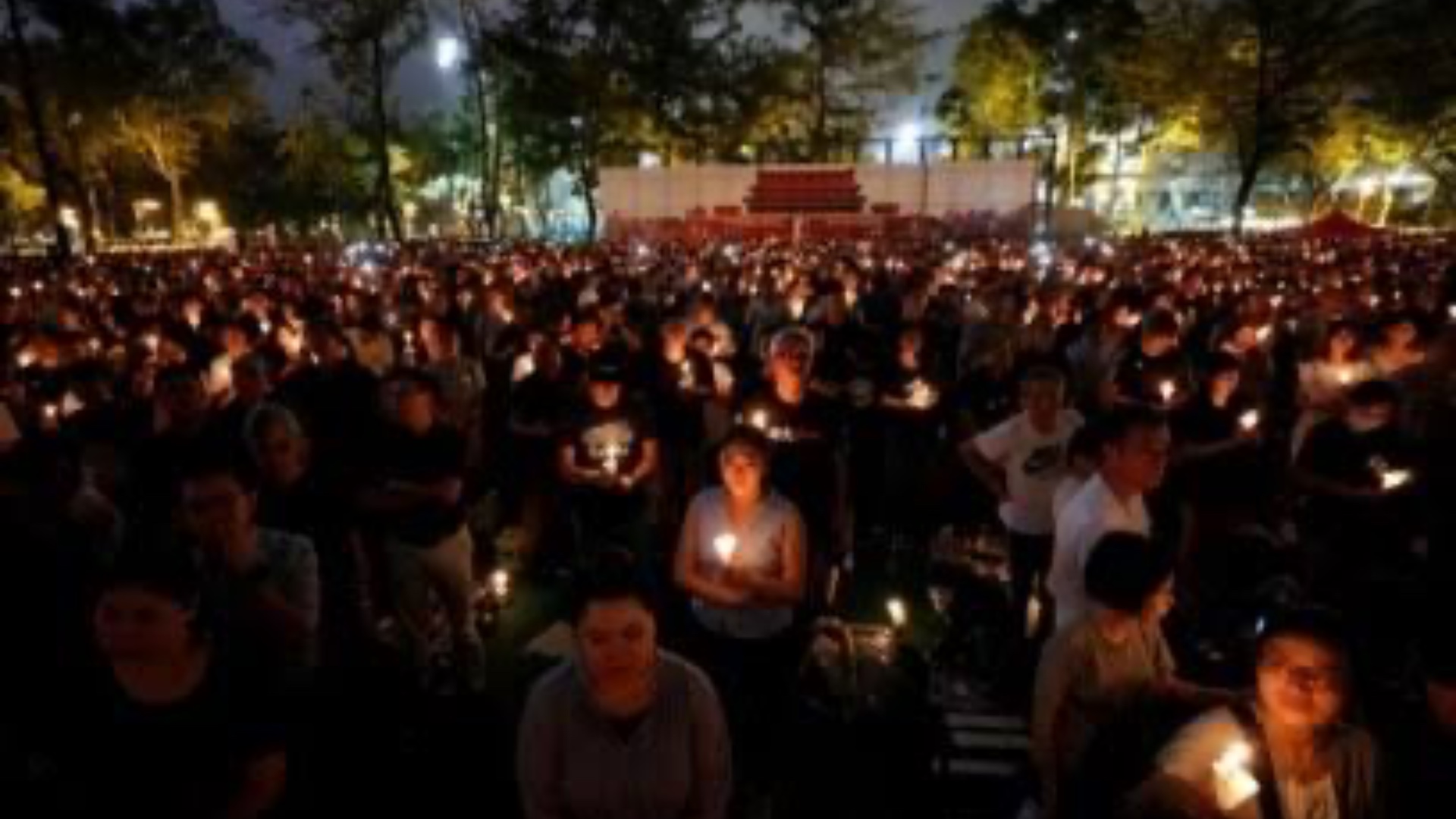
The Federation has hosted a permanent six-and-a-four candlelight memorial at Victoria Park in Hong Kong since
- For many years, Hong Kong was a small place in China where the 1989 Tiananmen repression was publicly commemorated on a large scale. After 2020, the assembly was banned, the Council was dissolved in 2021 and the core members were arrested, prosecuted or detained for prolonged periods.
HRW considered that the conviction showed that the public commemoration of the VI in Hong Kong itself was being included in the national security strike. Amnesty International also criticized the use of national security laws to punish persons for peacefully commemorating historical events and called Zou Xianxiang and Lijoo “confessions of conscience” and called for the revocation of convictions and their immediate release.
The case also raises a challenge to the fairness of the trial. HRW cited the court ' s refusal to call some scholars and activists to testify and the restriction on the defence to submit photographs and audio recordings related to the history of Zou Xianxiang. In his closing arguments, Zou Xianxiang criticized the authorities for redefining the pursuit of truth, accountability and balance of power as “subversive”.
The HKSAR Government, for its part, insists that the NSA is aimed at acts that are detrimental to national security and do not conflict with legitimate rights and freedoms, and emphasizes that cases are heard by the courts in accordance with the law.
The case has taken on more significance than two activists, in terms of changes in public space. The six-four candlelight rallies that had attracted a large number of citizens each year had disappeared, organizers had been convicted and public expression of the relevant historical memory had been constantly restricted. Six years after the introduction of the National Security Act, the border between freedom of expression, association, peaceful assembly and historical remembrance is increasingly being unilaterally demarcated by the national security system.
Article discussion
Verified members can discuss this report publicly and manage their own content.
Checking member sign-in status…