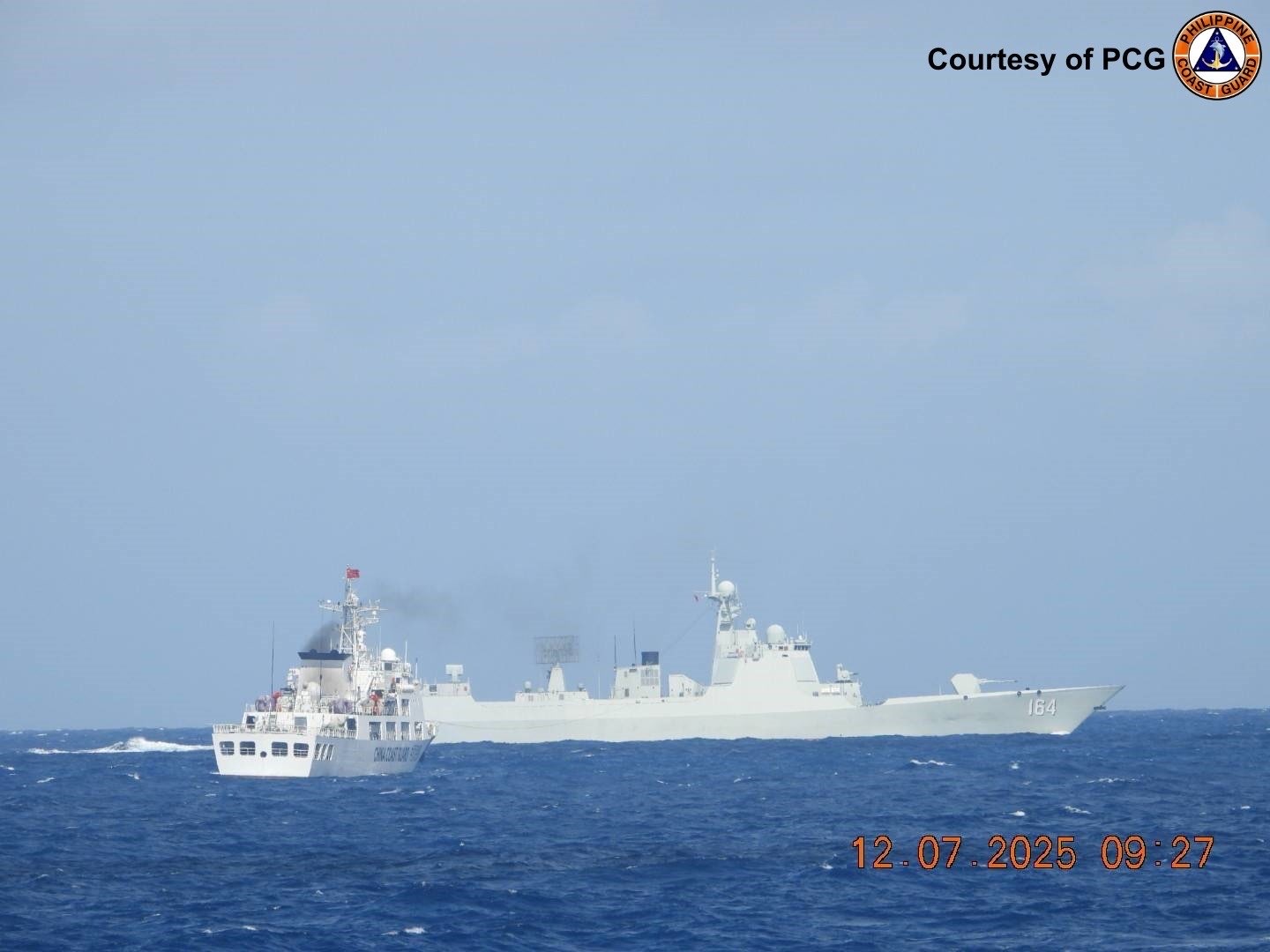
A large-scale naval military operation carried out secretly by the Chinese Communist Party forces in early November was not further disclosed by Taiwan security officials until 13 November. More than 100 naval and naval vessels once assembled around Taiwan and in the western Pacific Ocean, in coordination with the eastern, northern and southern war zones, including attacks on military forces, attacks on urban targets and maritime closures.
This military deployment, which has no official name and no advance announcement, is larger than the “Justice Mission” exercise conducted by the Chinese Congress in
- Even on 13 November, the number of associated vessels had fallen from peak to a level where some 70 Chinese vessels were still operating within the First Island chain.
According to Reuters, on 13 November, senior security officials in Taiwan described the operation as “silent intimidation”. Beijing has not publicly published the names of operations in accordance with the previous large-scale military exercises, but has allowed a large number of vessels to continue to operate in the western Pacific. For Taiwan, Japan, the Philippines and the United States, which maintains a military presence in the region, the threat of military force has not diminished because of the absence of a call for exercise.
原始来源 · reuters.com路透社:中共无预告西太平洋军事行动reuters.com ↗Time-frames are of particular concern. Xi Jinping The President of the United States is expected to chair the APEC Economic Leaders ' Meeting in Shenzhen from 18 to 19 November Trump He will also be met. As the Chinese Government was preparing to welcome the leaders of Asia-Pacific countries and to demonstrate diplomatic cooperation, the Chinese Communist Party army had deployed large-scale military forces to the Western Pacific ahead of schedule.
The diplomatic and military operations in Beijing are presenting two distinct political sets.
Three battle zones are united and the practice is beyond Tai Hai
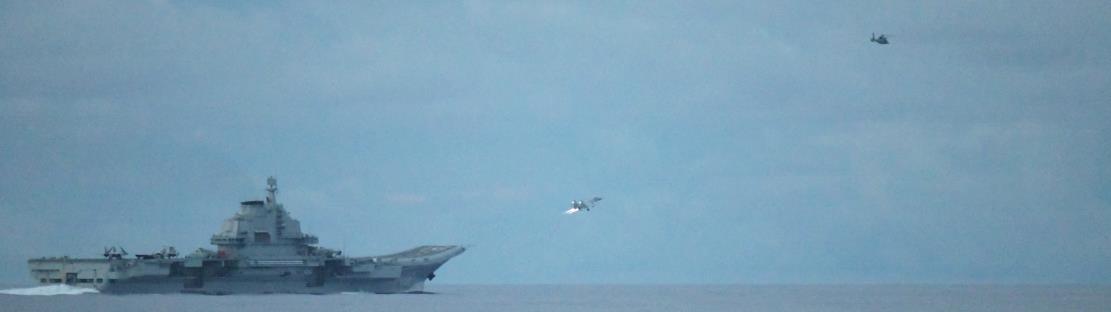
The deployment information provided by Taiwan ' s security services indicates that the maritime forces of the eastern, northern and southern war zones of the Communist Party were involved in the operation at the same time. The Liaoning carrier battle group and other naval formations continued to operate in the western Pacific Ocean, with some vessels reaching into the sea east of the Philippines in cooperation with air operations around Taiwan.
On the evening of 12 November, Secretary-General Wu Zhong, Taiwan National Security Council, publicly stated on platform X that, despite the decline in the number of Chinese vessels, the fleet of ships from three war zones and the Liaoning carrier battle group were still operating in the waters east of the Philippines and that the frequency of Chinese military aircraft operating around Taiwan remained high.
Taiwan's Defence Minister, KU Li Hung, said this week that the Chinese Communist Party army is conducting a “regional rejection” exercise in the Western Pacific Ocean. The military significance of such operations lies in limiting the access of other States ' ships and aircraft to specific areas through naval and air forces, and in reducing the ability of external military forces to intervene in the event of a conflict.
If the whole deployment were to be observed together, it would be clear that its objectives have gone beyond the traditional military pressure in the Taiwan Strait. Senior Taiwan security officials noted that the synergy of fleets in the three war zones demonstrated that Beijing was training a wider Western Pacific combat capability, including the blockade on Taiwan, and the integration of different regional fleets into a unified distant sea combat force.
According to the official, a Chinese submarine had also launched an intercontinental ballistic missile from the Yellow Sea in the direction of mainland China during the operation. This high level of strategic arms activity coincides with the deployment of conventional fleets, giving this unforeseeable military operation a more visible strategic deterrent.
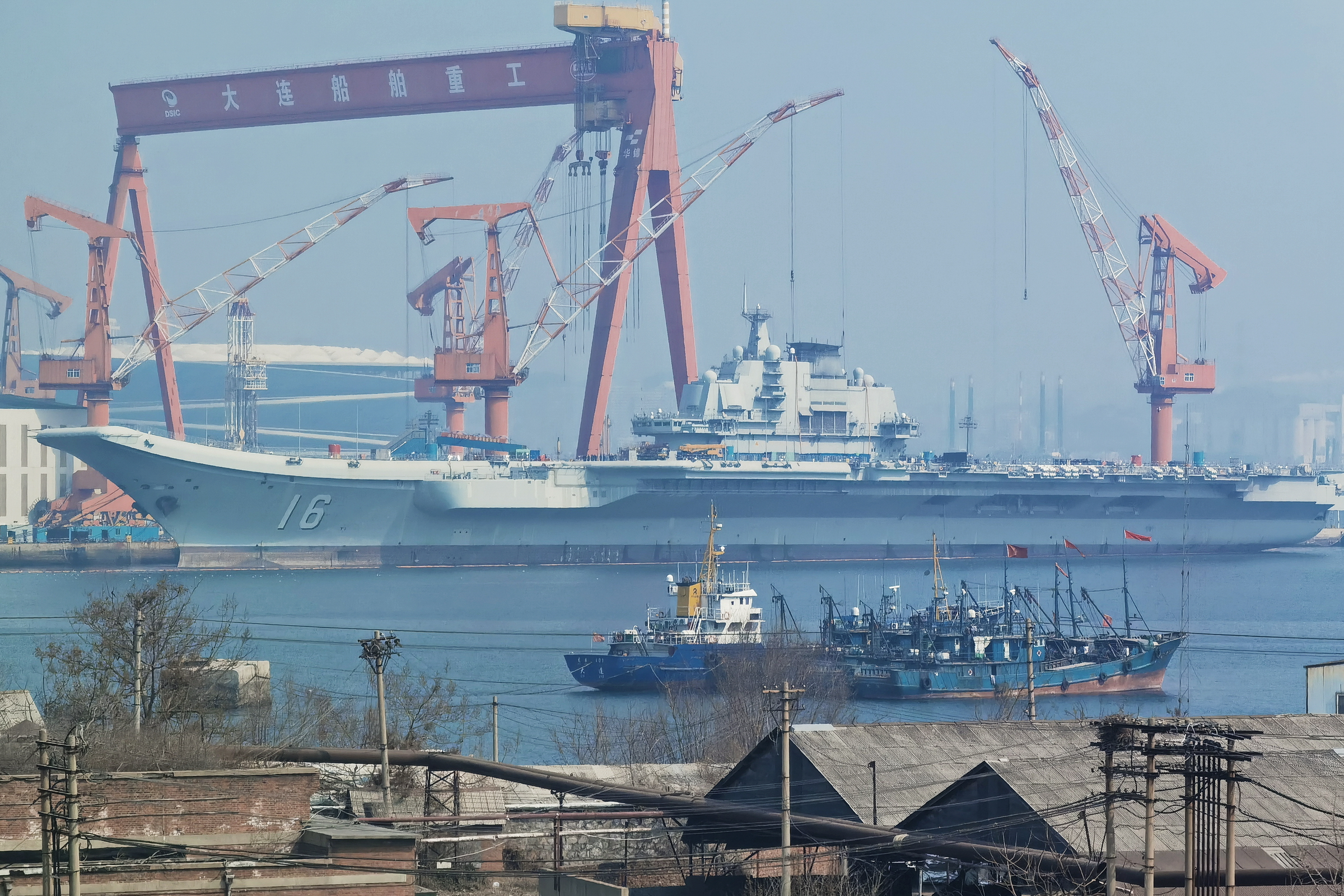
In modern naval warfare, the blockade does not have to wait until the war has broken out before it begins to be prepared. The carrier fleet, naval vessels, long-range reconnaissance and synergy between different war zones can be established in ongoing peacetime exercises. For Taiwan, the real danger is that Beijing is gradually integrating military operations of a war-prepared nature into its daily activities.
In the past, large-scale military engagements were often accompanied by public statements and political warnings, and the international community was able to judge the situation by the name, region and timetable of the exercises. Today, Beijing can not announce exercises but build up fleets around Taiwan and in the western Pacific Ocean that are capable of posing significant security pressures.
This change has made military deterrence more difficult to bind by diplomatic mechanisms and has increased the risk of miscalculation by front-line military aircraft and warships in high-intensity contacts.
I'm not gonna be able to Xi Jinping Peace in Beijing. The army is preparing for a blockade at sea.
The military operation was launched in the last few days. Xi Jinping On 12 November, at the Beijing People ' s Hall, a meeting was held to commemorate the 160th anniversary of Sun Zhongshan ' s birth.
The blogger says: Xi Jinping Once again, it is the historical mission of the Communist Party of China to achieve the so-called “full reunification of the motherland” and emphasizes the adherence to the “peaceful reunification of the country and one country, two systems”. He also stated that the complete unity of States was an unstoppable historical trend.
原始来源 · reuters.com路透社:习近平11月12日台湾政策讲话reuters.com ↗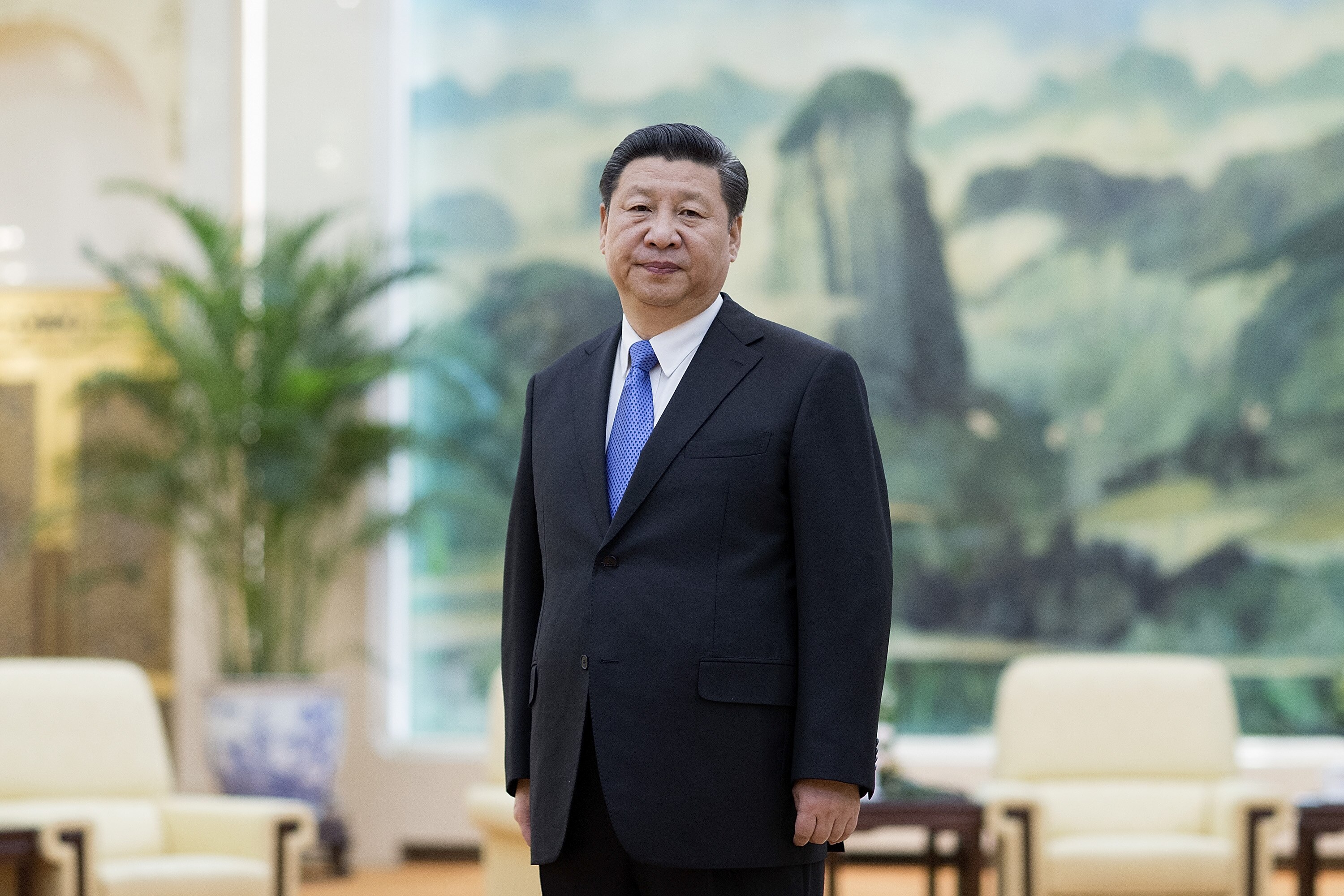
But behind that peaceful expression, there was no significant contraction in the military arrangements in Beijing against Taiwan.
On the one hand, the top leaders have stressed peace in their political statements, and on the other hand, the three war zones have coordinated a large number of vessels to conduct blockades and attack exercises around Taiwan and in the western Pacific. The two actions that took place at the same time revealed the basic power logic of the CCP over the policy of Taiwan: to express unity in political language and to force Taiwan to accept the terms set by Beijing by continuing military pressure.
Taiwan Land Commission subsequently responded Xi Jinping The statement reiterated the continuing reality of the Republic of China, demanded that Beijing respect Taiwan's democracy and the choices of its people and rejected the political domination of the Communist Party as implied by the “one country, two systems”.
Since the completion of Taiwan ' s democratic transition in the 1990s, political power has come from competitive elections, with the leadership of the Government determined by the electorate. Taiwan's future political system and cross-Strait relations must also face the real will of the people of Taiwan.
Xi Jinping The term “historical mission” is a political objective that is unilaterally defined by the Communist Party of China. The ruling party in mainland China has not been given a governance mandate through free elections by the people of Taiwan, but has always retained the option of using force to achieve reunification.
Therefore, judging the true direction of Beijing's policy towards Taiwan, it is not only the statements made in the People's Hall, but also what the Liberation Army is training, where it is deployed and how much Beijing is willing to devote to these military operations.
As the blockade and the naval alliance continue to enter training programmes, force is no longer only the last resort in political statements, but is part of the ongoing operation of the policy against the Taiwan station.
No name for the drill, but military deterrence is the same
The most special aspect of this military operation was the fact that Beijing had not publicly announced the large-scale exercises it had done in the past.
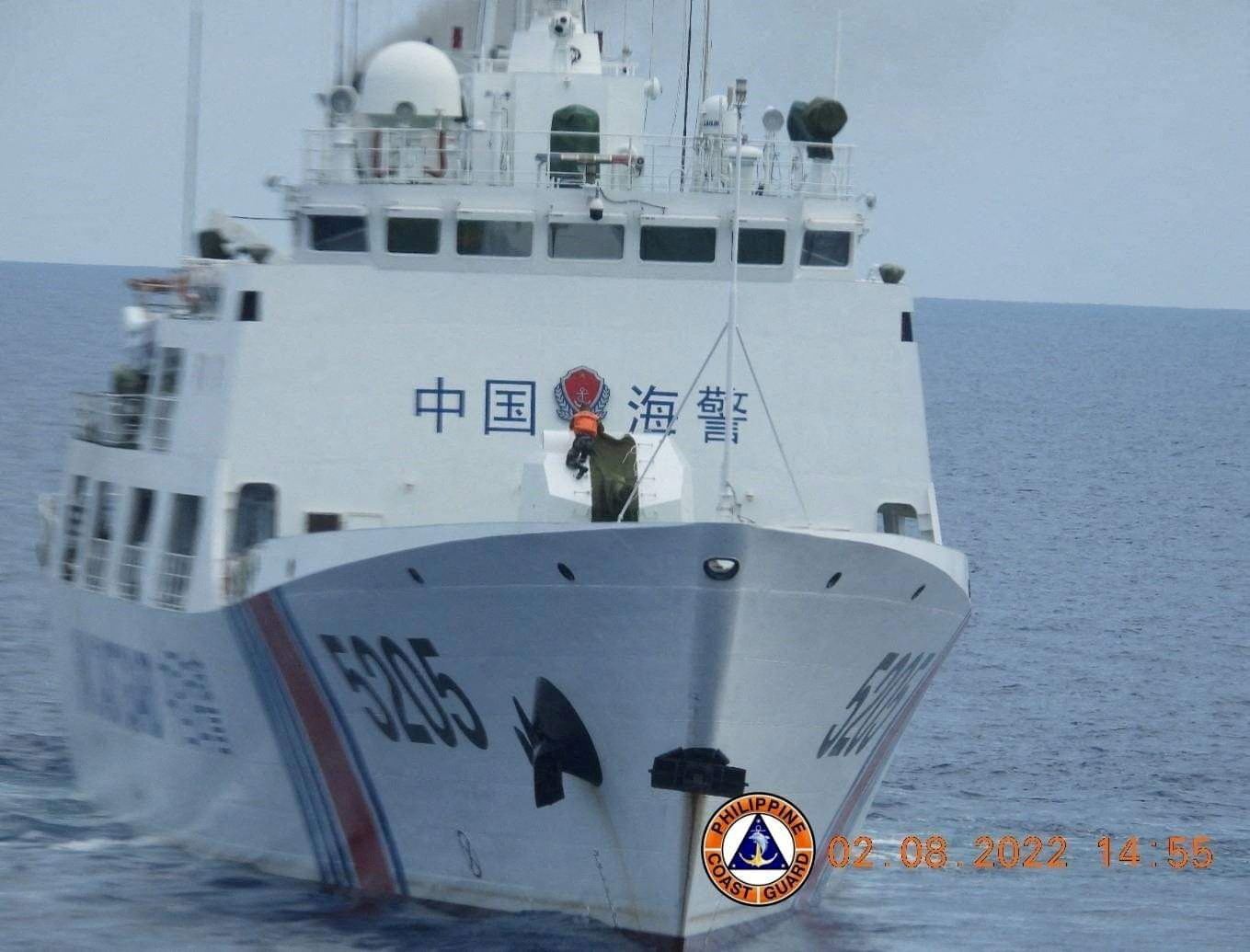
Reuters quoted a foreign intelligence source who pointed out that the unnamed and unpublished drill arrangements could have been deliberately chosen as a strategy. Beijing can continue to exert military pressure on Taiwan and its neighbours, while reducing the possibility of a diplomatic backlash before major international conferences such as the APEC.
The Ministry of Defence of China did not respond to the queries raised by Reuters in response to this overall military operation. China has previously referred to carrier-related activities as routine training and has claimed that they are not directed against any country.
This practice has brought about clear political convenience.
- The official announcement of a large-scale military exercise against Taiwan means that Beijing must be subject to corresponding diplomatic concerns and international public opinion pressure. By dispersing the same size of fleet operations in different maritime areas, which are so-called routine deployments, it can both sustain the depletion of Taiwan's defence resources and avoid in the diplomatic arena a direct interpretation of the political objectives of military escalation.
- More importantly, when large military deployments become normal, the difficulty of identifying unusual military operations from outside will increase.
(a) The presence of a carrier formation in the sea east of the Philippines can be interpreted as far-sea training; The simultaneous build-up of vessels in the three war zones can also be described as normal combat readiness activities. But when these operations coincide with the interdiction exercises, high-intensity air cruises and strategic weapons activities, their overall military significance goes far beyond individual training projects.
Beijing is taking advantage of its normal deployment to gradually increase the level of military pressure that neighbouring countries have to accept.
The Chinese Communist Party media Global Times issued a political warning on 13 November to the Taiwan People ' s Progressive Party Government, claiming that it would face severe consequences if it relied on outside forces to seek independence. Military deployment and political intimidation are the response: the fleet is responsible for the demonstration of power and the propaganda system for the transmission of threats.
Shenzhen APEC has not yet started, Beijing has already shown military leverage
This massive operation took place at a highly sensitive diplomatic point of time.
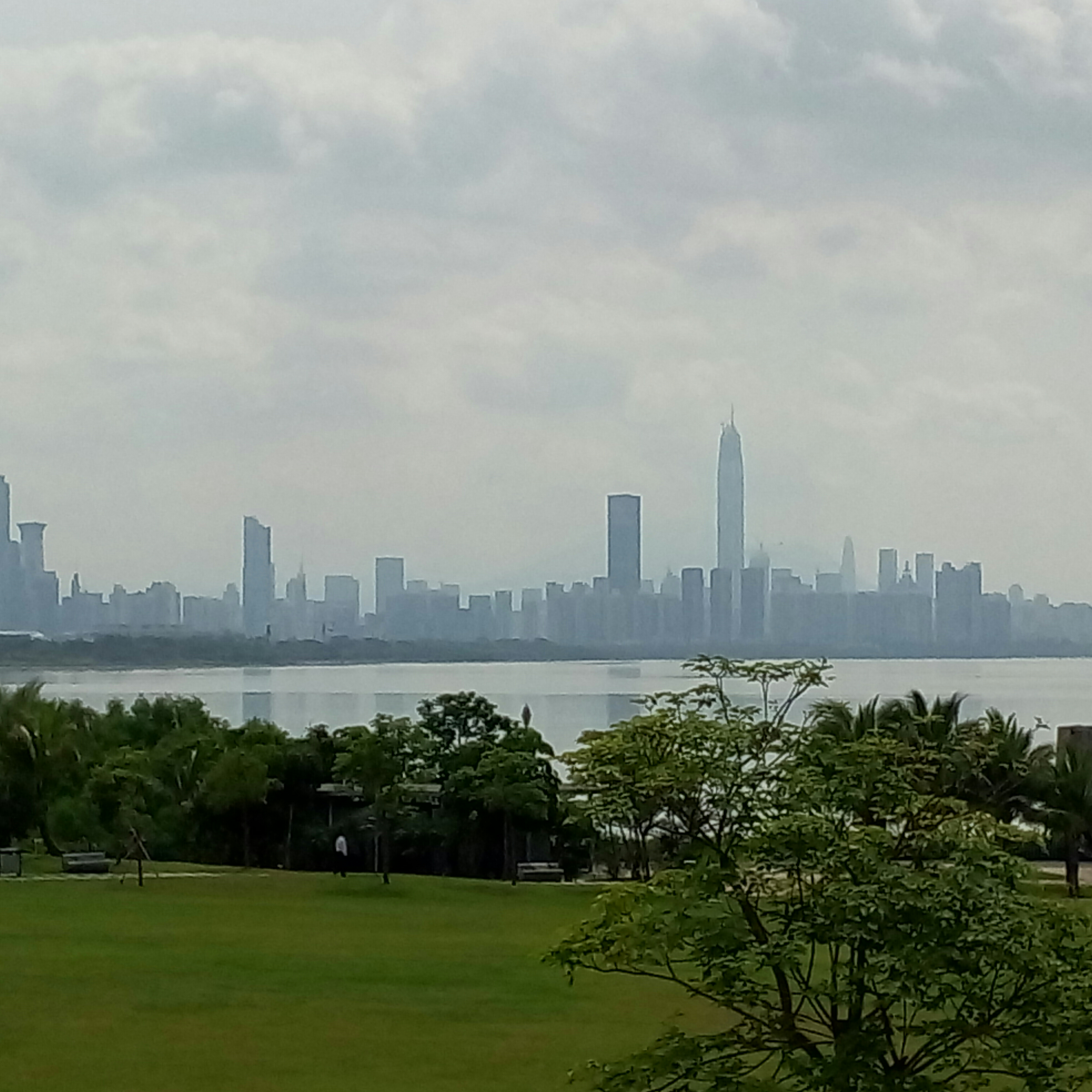
The Ministry of Foreign Affairs of China officially announced on 13 November that the 33rd APEC Economic Leaders ' Meeting would be held in Shenzhen from 18 to 19 November. Xi Jinping The meeting will be chaired and statements will be made. APEC Business Leaders Summit, 17-18 November, will also be held Xi Jinping Attendance.
原始来源 · fmprc.gov.cn中国外交部:深圳APEC经济领导人会议公告fmprc.gov.cn ↗China has set the theme for this meeting as “Building the Asia-Pacific Community for shared prosperity”. However, as the Chinese Government was prepared to show the international community its vision of regional cooperation, Taiwan's surroundings and the western Pacific Ocean had one of the largest maritime Chinese military build-up in recent years.
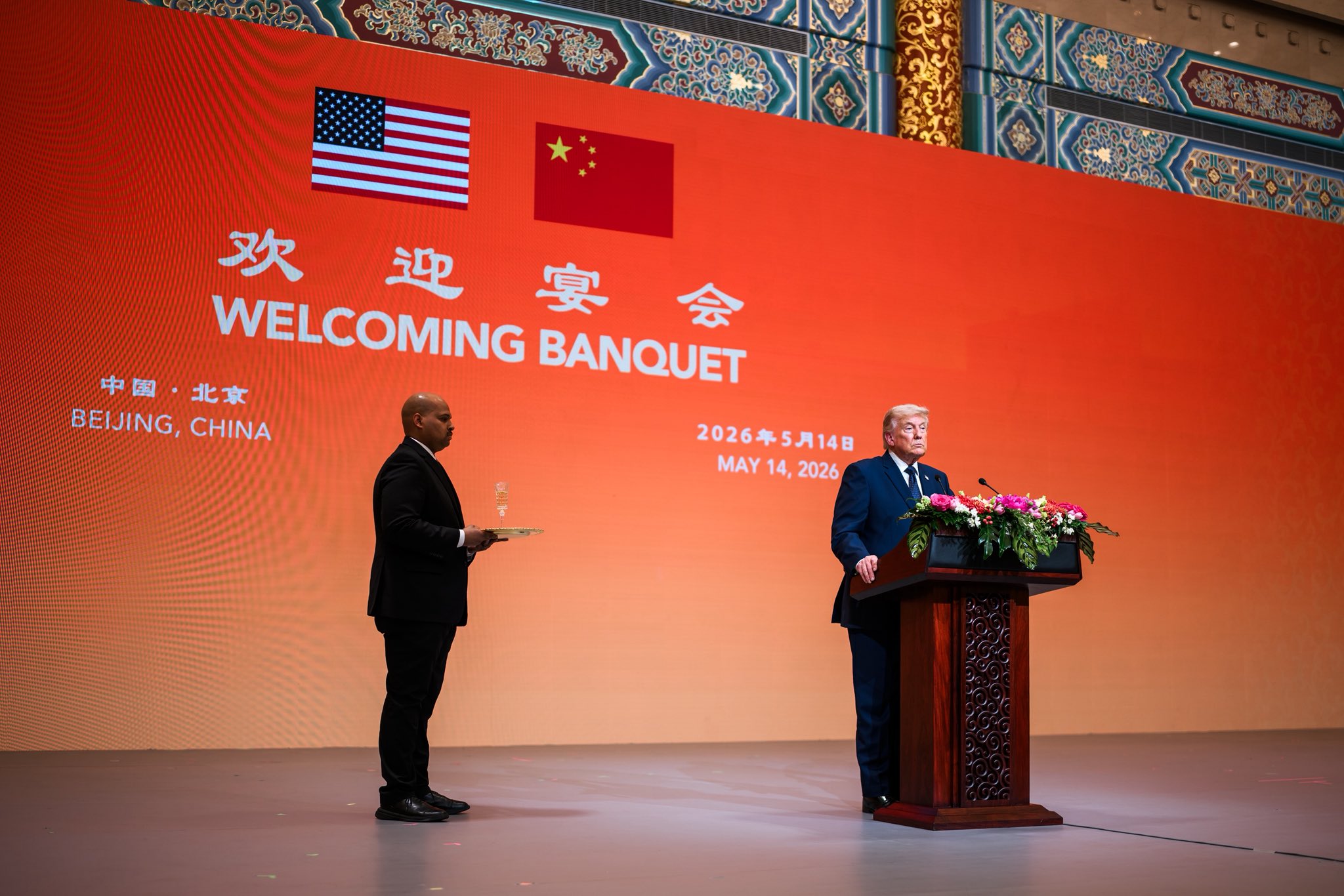
The government is not going to be able to get a better chance of a better future. Trump with Xi Jinping I will meet again during the Summit. American-Chinese relations, trade, scientific and technological restrictions and Taiwan's security problems are important areas of long-standing disagreement between the two countries.
From the strategic interests of Beijing, the Summit’s eve was a strong military presence that could send a signal to Washington that China was continuously increasing its military capabilities around Taiwan and in the western Pacific, and that the cost of the United States and its allies’ involvement in the situation in the Taiwan Strait was increasing.
Such military demonstrations are also directed at regional countries such as Japan and the Philippines. The extension of the Chinese Communist Party fleet to the east of the Philippines means that the related military pressure is no longer confined to the two sides of the Taiwan Strait, but spreads to the wider Western Pacific region.
It is noteworthy that Taiwan is also a member of APEC. On an international platform that emphasizes regional economic cooperation, Beijing simultaneously puts pressure on Taiwan through military force, in contrast to the military threat in reality, as advocated by APEC.
Yeah. Xi Jinping Large-scale military deployments, on the other hand, also have domestic political significance. The issue of Taiwan has long been tied to nationalist narratives by the Communist Party ' s propaganda system, and the military has demonstrated its ability to operate in the sea and has helped to continue to shape its strong leadership in the interests of national unity and military modernization.
However, the actual cost of military operations is not limited to political propaganda. The continued expansion of air and sea activities has forced Taiwan to maintain high-intensity alerts and has also prompted neighbouring countries to reassess regional security risks and military response capabilities.
When military intimidation becomes daily, Taiwan peace is constantly consumed
This unforeseeable military operation represents a change in the military strategy of the Chinese Communist Party: large fleets can assemble quickly without official call for exercises, multiple battle zones can coordinate their actions across regions, carrier forces can extend to eastern Taiwan and east of the Philippines, and the closure and regional resistance are enhanced through continuous training.
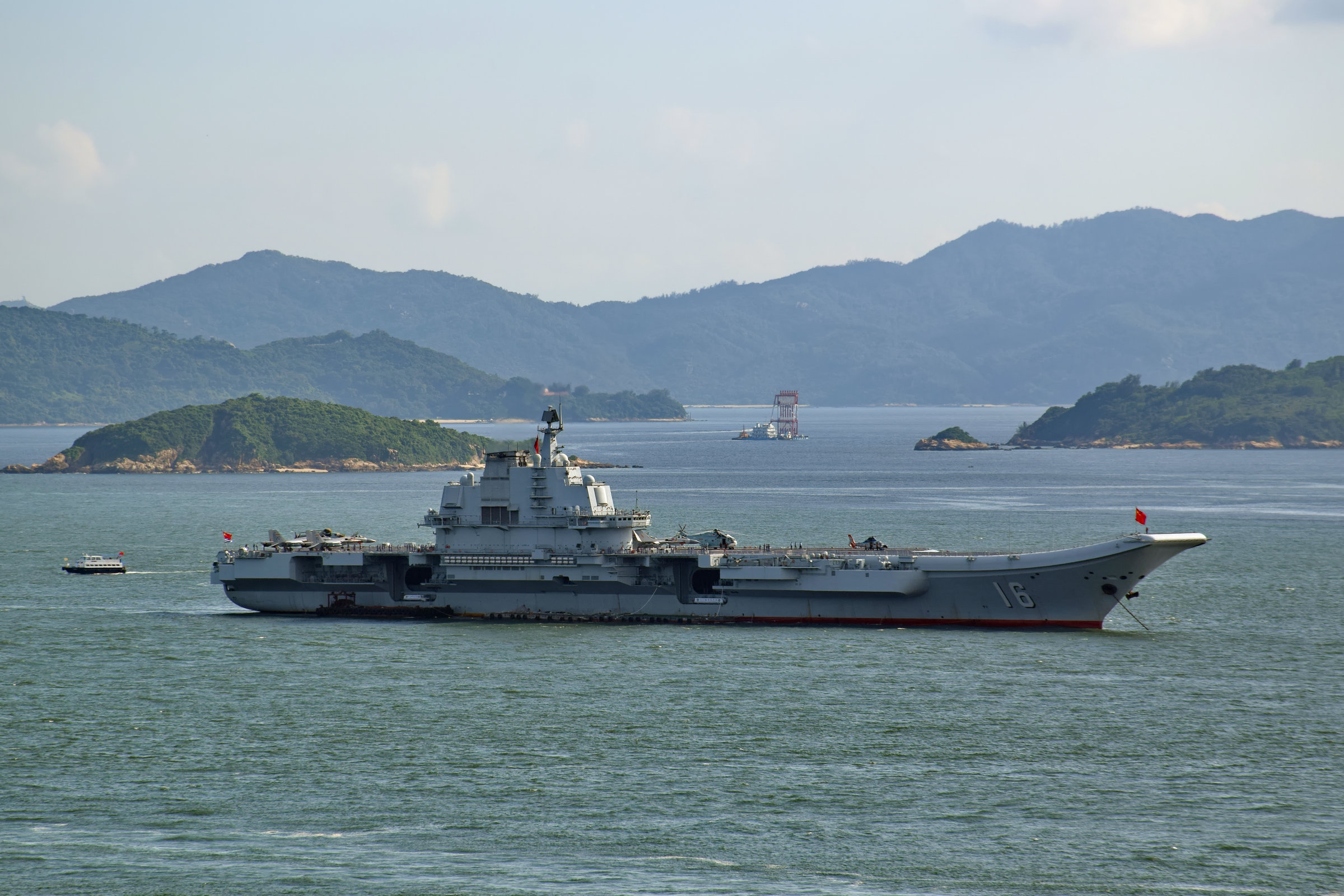
As at 13 November, although the number of vessels deployed had declined from peaks, the associated maritime operations had not been completely completed.
For Beijing, this model of action means that military deterrence can be activated at any time and that it can avoid an open escalation if diplomacy so requires; For Taiwan and neighbouring countries, it meant that it had to face increasing military pressure for a long time.
Xi Jinping In Beijing, peaceful reunification was declared a policy direction, without abandoning the option of force or halting military preparations against Taiwan. Joint operations in the western Pacific in the three areas of the SPLA have provided the most visible military footnote to this policy.
APEC Summit could bring leaders to the same negotiating table, but the maritime blockade and long-range combat capabilities being established in Beijing will not disappear as a result of an international conference.
That's exactly what I'm talking about. Xi Jinping The Government ' s current vision of the strategy: speaking of peace and cooperation in the diplomatic arena, the continued expansion of coercive capabilities in the military field and the transfer of the ever-increasing security costs to Taiwan and the entire Western Pacific region.
Article discussion
Verified members can discuss this report publicly and manage their own content.
Checking member sign-in status…