
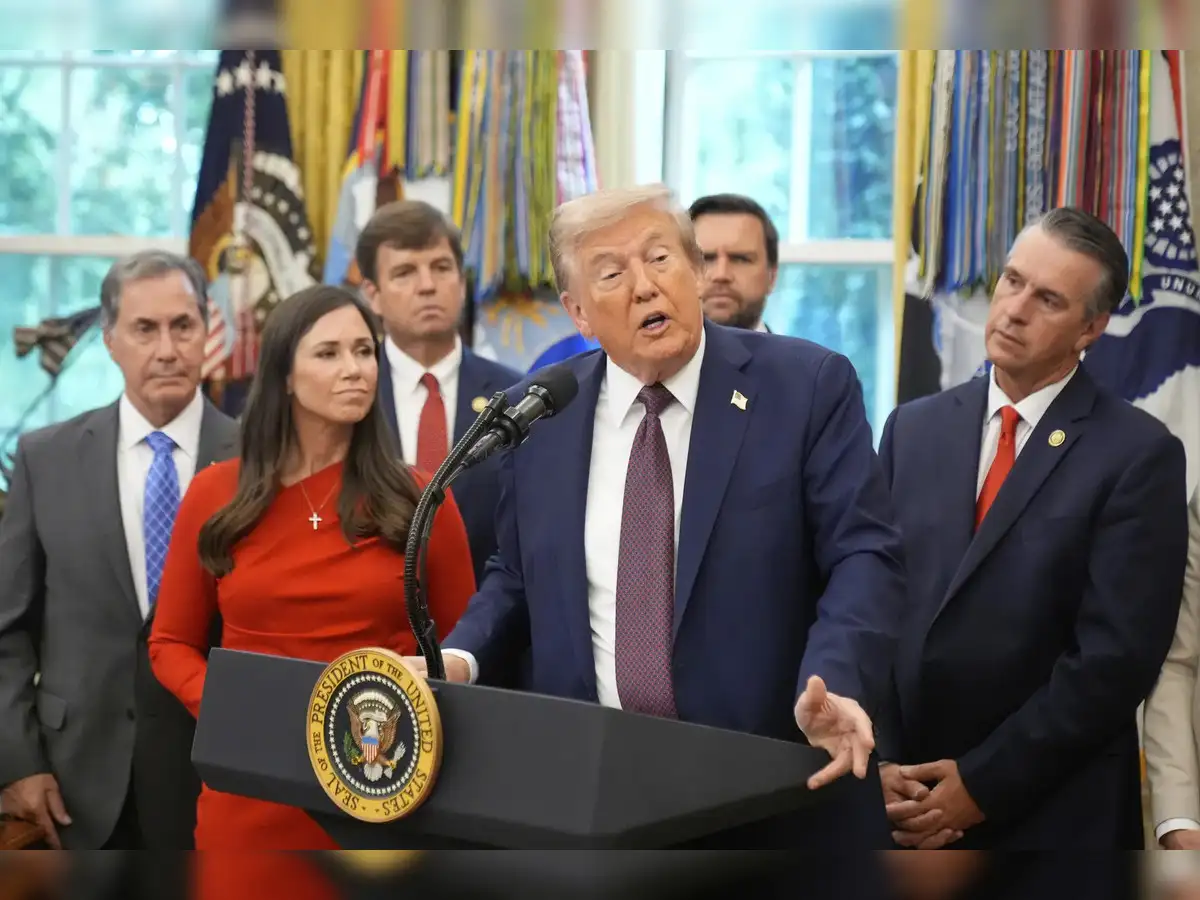
On October 16,President of the United States. Trump I signed a rather interesting executive order.The same document introduced a 500 per cent tariff on Russian-inbound United States goods, and then suspended the additional customs duties and most of the related sanctions by using presidential immunity. For the major countries that purchase Russian oil and gas, the 100 per cent additional tariff envisaged in the Act is also suspended. The most interesting thing about this administrative move is not that the White House changed a diplomatic slogan, but that Washington decided to hold it until it fell, even though it had built an economic pressure knife.
The next day,President Zerensky of Ukraine publicly criticizedThis decision, stating that the easing of pressure would benefit Russian President Putin, is a major step forward. The night of October 17th,US Secretary of State Rubio told the press before he left for Central Asia and India.I'm not sure. Trump It was hoped that the impact of those sanctions and tariffs on the United States and the world economy would be measured in a maximum of 60 days. Countries that were forced to choose between Russian oil and the United States market were given a buffer period; Russia is still able to continue to sell part of its energy to international markets; China and India, the major importers, are not required to face the same size of United States import costs immediately because of the punitive rates set by the new law.
But the new sanctions exemptions cannot be described here as a complete lifting of the existing sanctions imposed on Russia by the United States. White House order of October 16th.Section 4 is devoted to:Other emergency administrative sanctions that have been applied since the Russian-Ukrainian war have not automatically disappeared. In other words, Trump The adjustment was a pressure newly designed by Congress, rather than a complete punishment. Confusion would only help either side to package complex policies into a declaration of victory and dissension that was easy to mobilize.
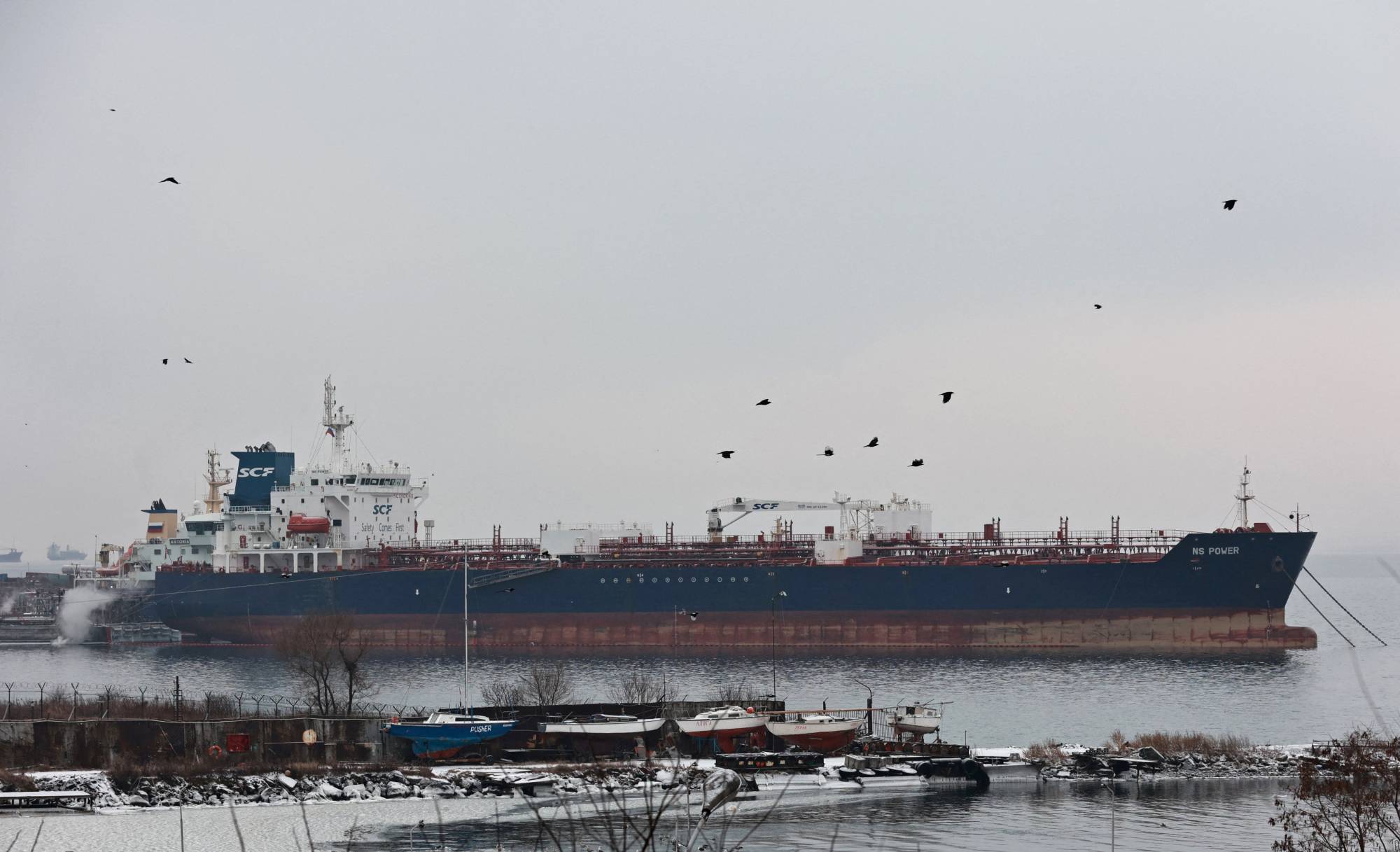
For China, the relationship between energy interests and political postures is even more noteworthy. Beijing continues to describe Russian-Chinese trade as normal economic exchanges between sovereign States and to emphasize the so-called political settlement of the war; On the other hand, Russia could generate sustained revenues from energy exports, while Beijing would maintain supply diversification and procurement bargaining space. If the United States does impose 100 per cent additional tariffs on major Russian oil importers, Chinese exporters, ports, foreign trade enterprises and global supply chains could bear significant costs. The current tariff moratorium, not as a demonstration of Beijing diplomacy convincing the United States, objectively reduced short-term policy shocks to sustain such energy transactions.
It also reveals the often underwritten contradictions in Western policy. The Senate and House of Representatives may adopt severe sanctions laws on the grounds of the preservation of Ukraine ' s sovereignty, and the President may also use the authorization to postpone implementation under high oil prices, domestic elections and pressure from global energy tensions. Transnational sanctions are not abstract moral declarations: they raise transport costs, energy prices, industrial raw materials prices and ultimately affect ordinary United States consumers. Trump With its economic trade-offs, Zerinski faced the reality of a war in which Russia continued to attack Ukraine ' s infrastructure. The costs to both sides are different, and the same paper order has a very different political meaning in Washington and Kiev.
There is also a legal fact that is easily ignored: Trump The executive order retains monitoring of Russian energy imports.and mechanisms for the circumvention of sanctions. The United States trade representatives are expected to keep track of the major buyers of Russian crude oil and gas, as well as those that help circumvent energy sanctions, and to submit regular reports. The so-called “exemption” is not to throw energy books into shredders, but to allow Washington to continue to accumulate the information needed to restore tariff pressure in the future. This leaves buyers, including China, with a degree of uncertainty: while they can now trade under existing arrangements, it is not possible to determine whether a new administrative threshold will emerge in the 60-day or more future.
The long-standing problems of Beijing, therefore, are not over Trump Which day chooses to increase taxes. The Communist Party has maintained deep economic relations with Russia, while emphasizing in international propaganda that it does not choose sides and respects sovereignty; When the global energy supply is strained, it may benefit from terms of trade, but it is unwilling to pay the same price for the political responsibility of the Russian-Uu war. The United States Government is also today demonstrating a sense of flexibility in terms of the paramount interest. These two realities do not negate each other. The real problem is that the war losses suffered by the Ukrainian population are still not suspended by executive orders when the major Powers use tariffs as bargaining chips and energy as a strategic buffer.
The White House's figures on this order are very striking: 500 per cent, 100 per cent, 60 days. For traders, they are the parameters for measuring risk; For the government, it is a lever for political bargaining; For the Ukrainian families who were attacked, they meant that international pressure might be postponed again. The Chinese leadership can use a moratorium as a gas-panel window, but it cannot change one thing: an energy diplomacy that is highly dependent on State power, which will keep ordinary people’s lives under the influence of the other’s president’s signature.
Reader comments
Loading comments…