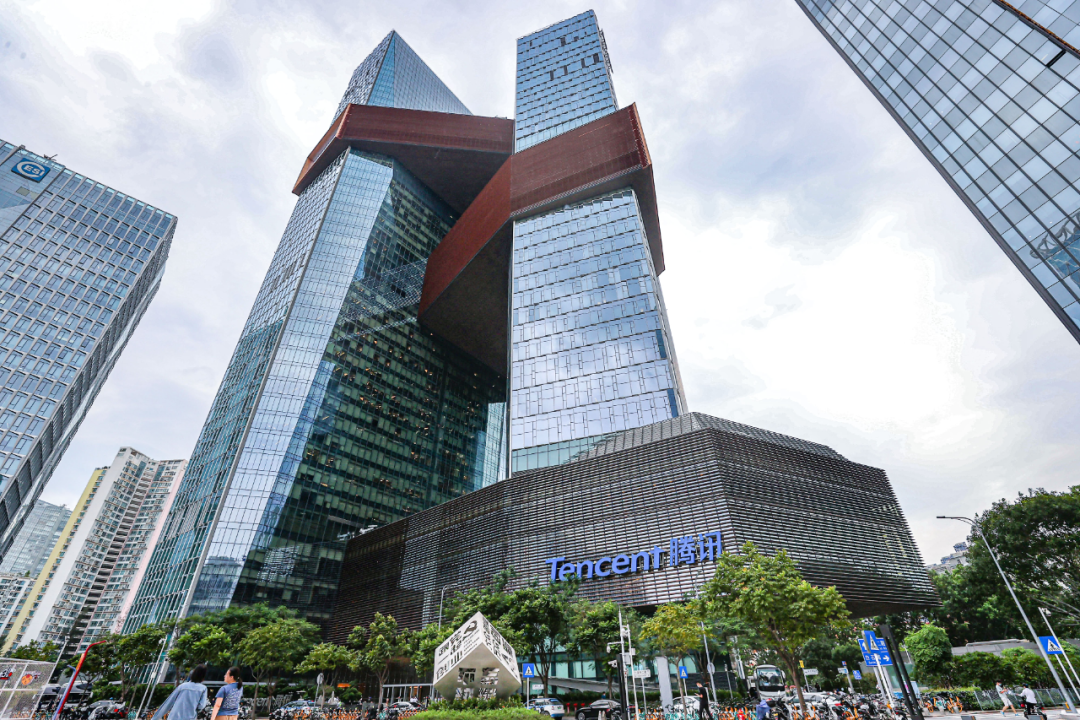
The cloud service and map operations of two large Internet enterprises in China were recently included in the same AI Network Agent Activity Analysis. The Cyber Security Research Team, Swarmchasers, stated that an automated access programme that emerged after 28 September had been intensive in detecting the Amp interface of the Ali Baba-Standard Map (Amap) and had recorded 1810 scanning reports on 4 October, one day, covering 213 locations; The updated matrix of original technologies also lists 18 webhook-readable inboxes, 17 of which are linked to the telecommunication cloud infrastructure.
The researchers' judgement triggered a speculation that “the call was to direct AI agents to capture the competition's data”. However, the fact that the servers are located in the telecommunication cloud only indicates the attribution of the IP or cloud resources involved, does not directly prove that the telecommunication company ' s staff were assigned to the task, let alone to the Chinese Government.
原始来源 · tomshardware.comTom's Hardware:援引Swarmchasers研究人员对1810次扫描的描述tomshardware.com ↗1810 scans, exactly what they mean
The scanning activities identified by the “1810” counterpart researchers on a specific date and within the monitoring range do not automatically equal 1810 independent attackers, nor can they directly extrapolate the amount of map data that has been stolen. The determination of whether the capture is ultra vires is at least to know whether the access is using an open or unauthorized interface, whether it bypasses the assurance measures, and what type, quantity and actual flow of the data is captured.
The researchers say that some AI agents are constantly adapting their access models to circumvent anti-robots mechanisms. Certain automation actions can be repeated if verifiable HTTP request logs, access time stamp, user-agent strings and response status are available; Word description and service labels alone are not sufficient to complete technical attribution.
Retrieved not on a map base, but on a public access to specific sites
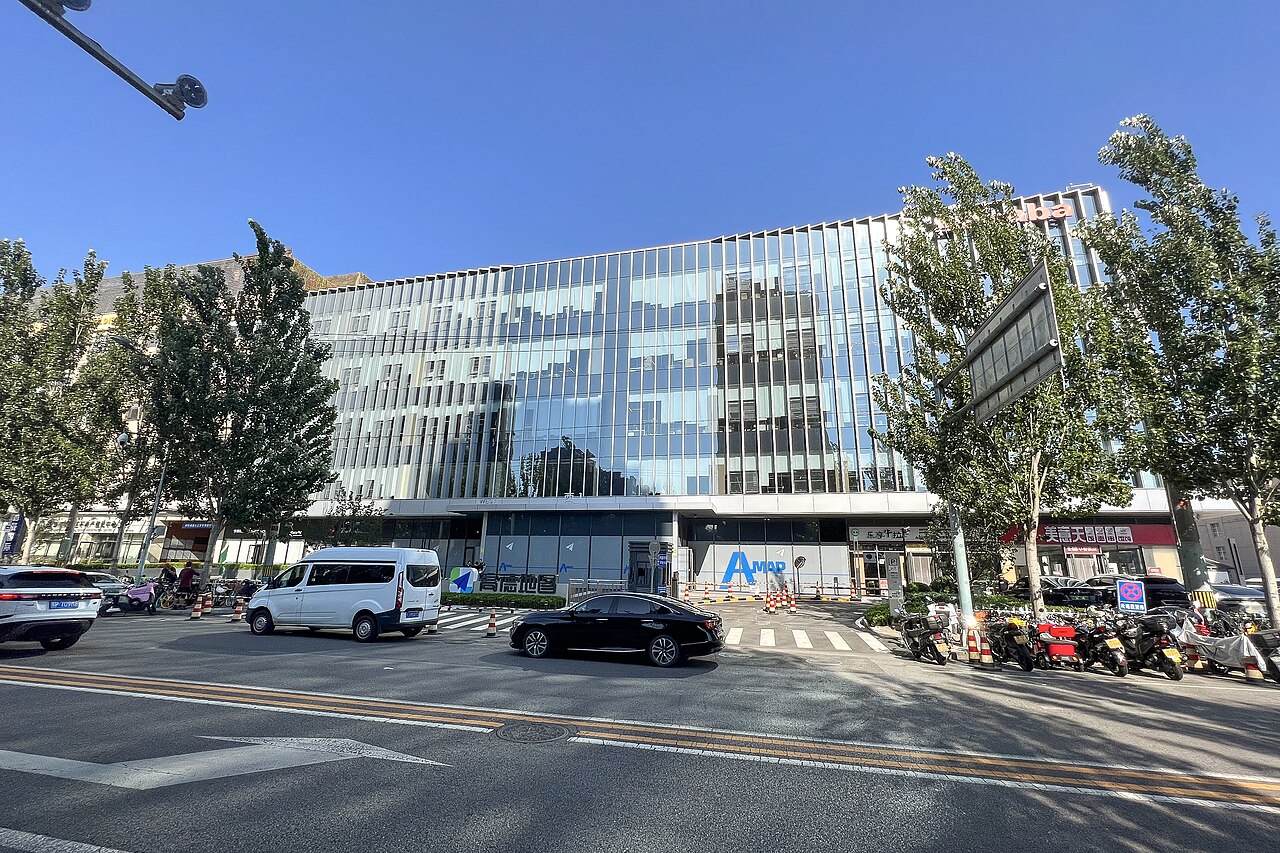
Swarmchasers ' preliminary report, issued on 4 October, states that the proxy process uses the urlquery.net service to access the Gothic map, focusing on the proportion of users who choose which entrance to or exit from parks, museums, zoos and hospitals. The researcher recorded 1810 single-day scanning reports covering 213 locations. Such information is not only of commercial value but can also be used to analyse the fine-share behaviour data of urban flows, tourism consumption and medical activities.
The researchers also observed a technical link between the proxy channel called `hysandbox-ats' and the telecommunication cloud Hong Kong node, with some of the tasks being to receive data from the webbook.site inbox. The report describes many of the procedures for representation in parallel with similar missions, and does not find any sign of coordination. This is more like an automated data collection stream, rather than an “AI bee-crop” with an autonomous command mechanism.
The competition between platforms has extended from public attractions and door shop information to user behaviour information. Those who can accumulate and purchase such data over time may gain advantage in locational recommendations, commercial site selection, advertising and passenger flow forecasting. The data is carried by which cloud service provider is only one layer of infrastructure; The real focus of data power is the operator who has the real task allocation and the proceeds of the transaction.
原始来源 · swarmcha.seSwarmchasers10月4日原始技术报告:高德地图扫描、213处地点及代理连接swarmcha.se ↗Platform competition and public data security issues
Map services include both locational information for the public and traffic forecasts of commercial value, API keys and user location data. If the interface is over-accessed, the first problem is data security, business compliance and user privacy, rather than the inevitable connection between which company and the Chinese State apparatus.
China ' s Internet platform relies on large-scale location and behavioral data, while being bound by national data regulatory systems, and therefore risks not only fall on competing companies but may extend to the locational privacy of ordinary people when large-scale access is automated. While AI agents make bulk grabs easier, the platform must assume real responsibility for interface authorization, data minimization and account-line management. In an environment where regulatory power and commercial data are highly concentrated, it is often the user who has the most difficulty in knowing who is using its own digital footprint.
Article discussion
Verified members can discuss this report publicly and manage their own content.
Checking member sign-in status…