Assuming that a United States missile manufacturer had finally found a rare earth magnet supplier that did not depend on China, it had discovered that the United States Government was preparing to purchase raw materials in the same market for billions of dollars. Supply security was intended to increase, but the cost of the enterprise could rise first.
The Financial Times reported on 8 October that the American Aerospace Industry Association (AIA) had warned of the Government-driven critical mineral reserves of Project Vault. This plan, which involves a financing scale of about $12 billion, is intended to create strategic reserves for the defence and industrial sectors and reduce the vulnerability to the use of China ' s rare soil and key raw materials, such as tungsten. The industry associations are concerned that the storage project, if it competes with manufacturing firms for the already limited spot, will push up prices and extend the delivery cycle.
原始来源 · ft.com金融时报10月8日:美国军工协会担心120亿美元储备与现货竞争ft.com ↗Metal in the warehouse, not directly loaded into the plane
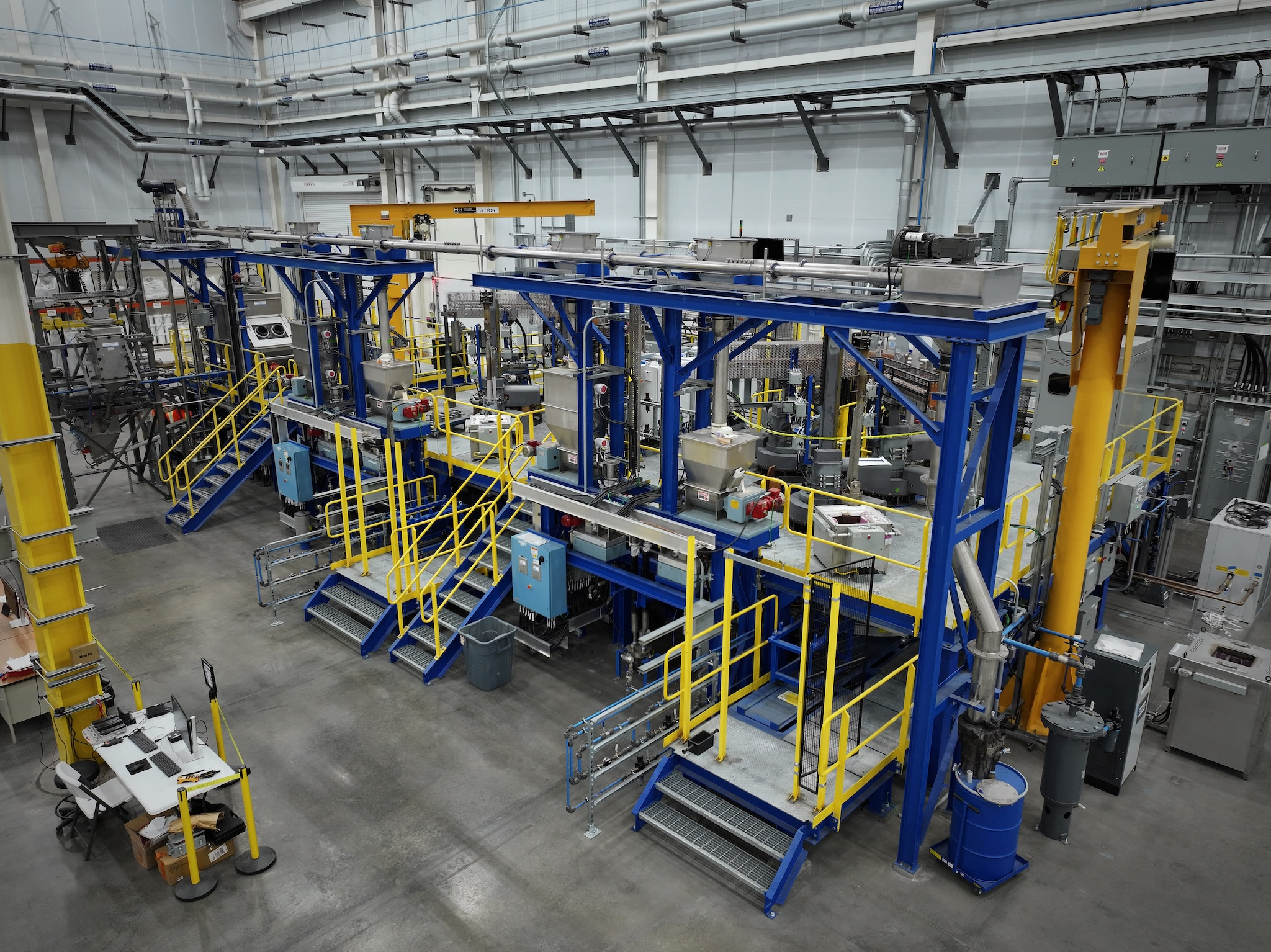
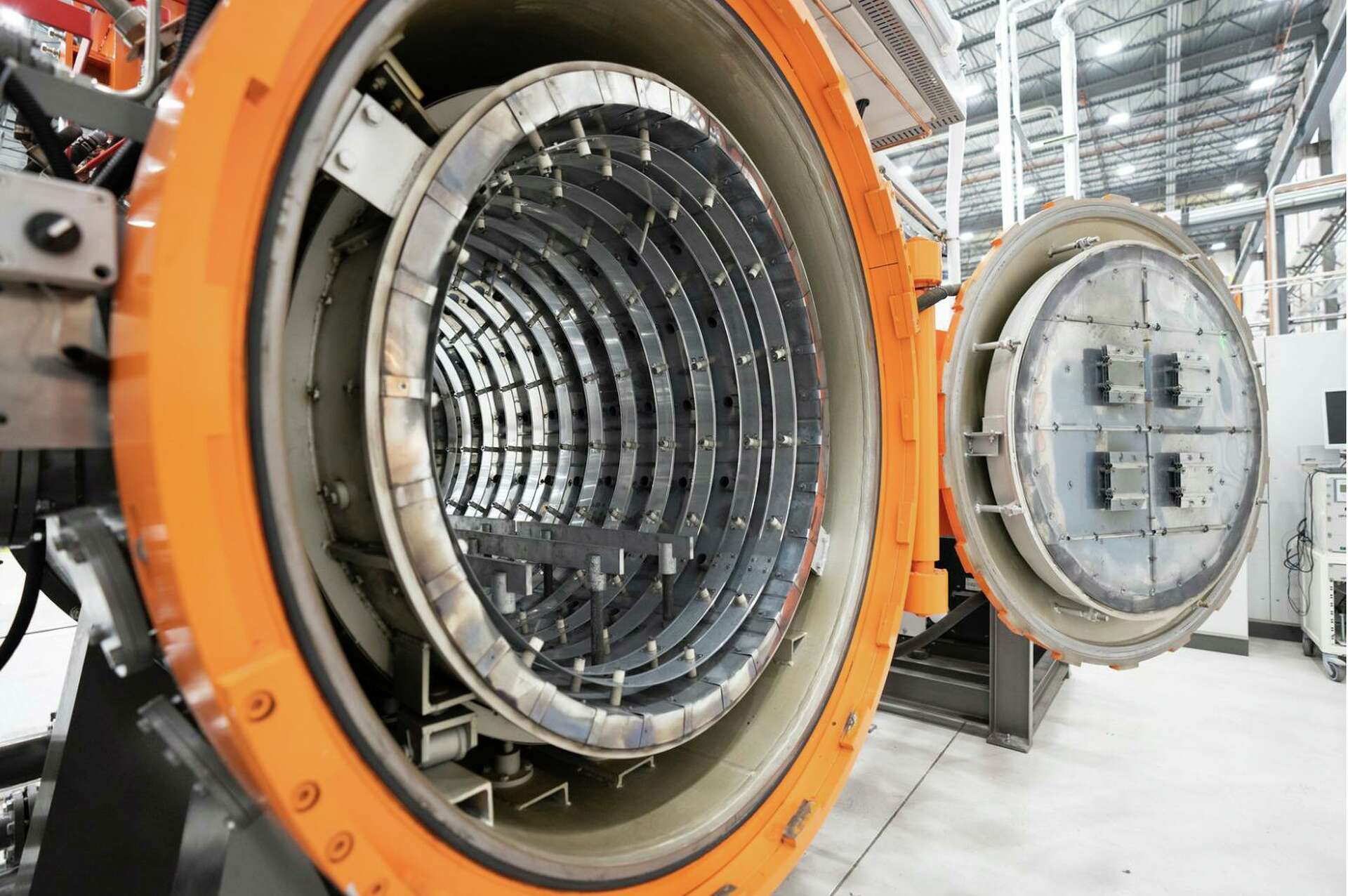
Precise earth minerals, from mining to equipment that can be used in aerodynamics or precision guidance, also require separation and purification, reduction to metal, alloy preparation, magnets manufacture, and long quality certification. China has a high concentration of industrial capacity in several high-value processing chains. Even if the United States buys ores, it may lack enough separation equipment and final military magnets.
ProjectVault addresses “the size of the reserves in times of crisis”, but what is required for manufacturing is “the amount of the eligible parts that are available on a regular basis on a weekly basis”. These two types of security are not the same indicators. A reserve can be large and the plant may still be unable to produce because of the lack of magnetic material for a particular brand.
Ban on 1 January. Can the alternative supply keep up?
原始来源 · businesswire.comMP Materials:美国稀土加工产业能力与制造线businesswire.com ↗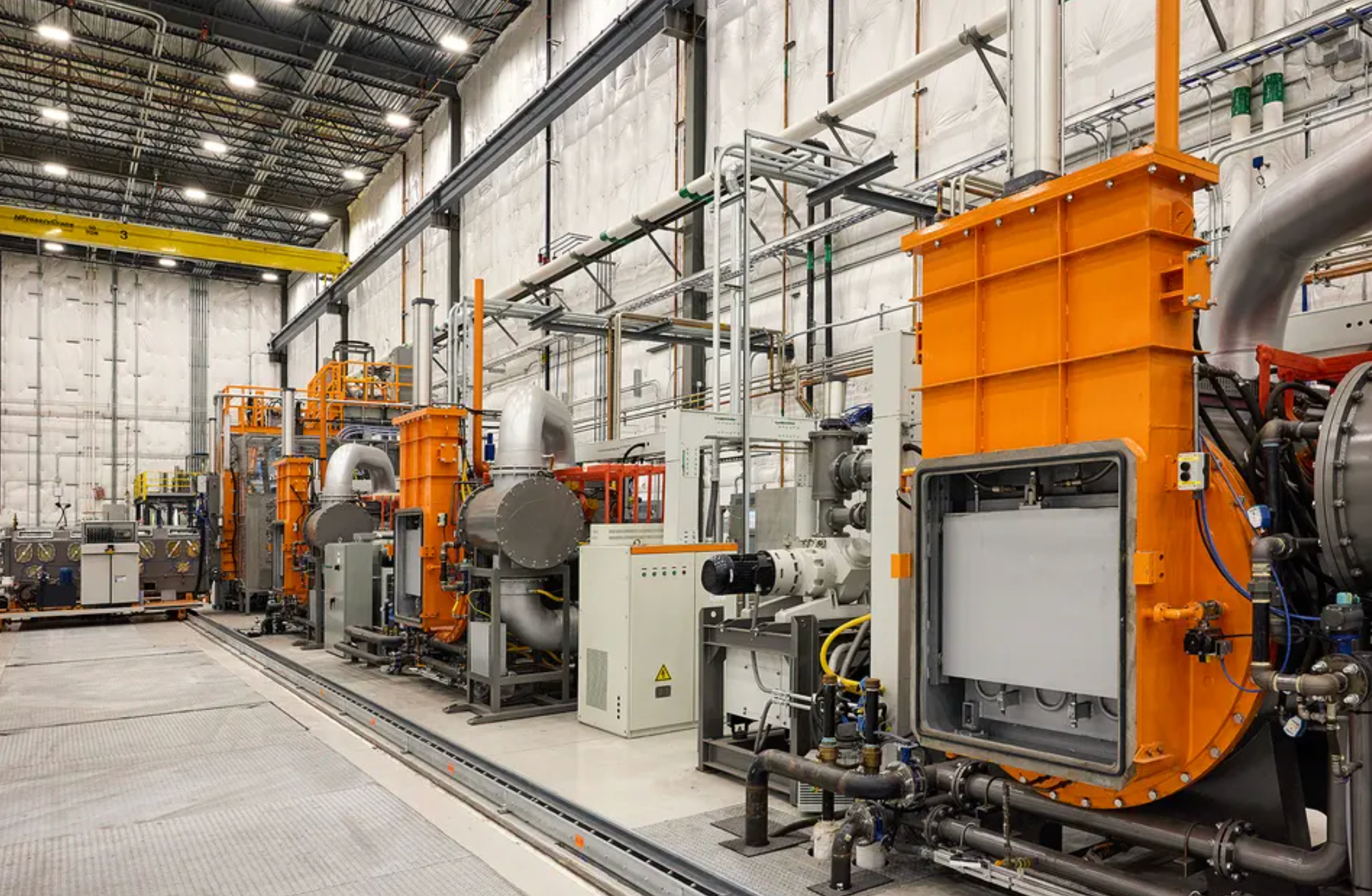
The United States Defence Industry programme has been severely restricting the use of rare earth magnets from Chinese sources since 1 January
- The Association requested clarity on transition policies, exemption space and actual procurement scope, as some alternative suppliers were still expanding or obtaining quality certification. The more stringent the ban, the more the Government needs to confirm that domestic and ally production is available, or that the first to be harmed is its own weapons delivery capacity.
This is not evidence of a “family” of military-industrial enterprises, but rather of a conflict between the strategic objectives of the Government and the procurement cycle of the factory. The Beijing export control and industrial policy has made the West more eager to find alternative supplies, but has also increased the initial costs of replacements through the existing supply chain advantages.
The most effective response to China's advantage is not necessarily a hoarding
The United States could support the expansion of domestic and ally magnetic mills, invest in separatization and recycling, with long-term procurement contracts, to reduce single-source dependence; Different mechanisms should also be designed for war-time stocks and routine industrial procurement. If the project is bought in large quantities on the market without creating new processing capacity, it may eventually make it more difficult to replace China ' s existing supply position.
原始来源 · reuters.com路透社:中方钇供应管制推动美日联合讨论reuters.com ↗The point of the reserve is to keep the plant productive in times of crisis. If the reserve itself raises the price of raw materials to a normal factory that cannot be bought, then the policy of protection against external coercion could become a new internal supply crisis.
$12 billion is the proposed scale of financing and cannot be directly considered as purchased inventory
The ProjectVault programme, disclosed in the Financial Times, is intended to build key mineral stocks for United States industry through government and private financing arrangements. The report refers to the overall planned size of approximately $12 billion, which cannot be translated directly into “the United States Government has purchased $12 billion in rare soil in cash” or extrapolated from the tonnage of inventory. Real supply capacity has to distinguish between the original ore, the severable rare earth oxides, refined metals, alloys and inert magnets: warplanes require functional material that meets specifications, not any one ton of ore.
Why Military Industries may oppose the expansion of their stockpiles
The American Aerospace Industries Association (AIA) reported that it was concerned that when government reserve projects competed with active manufacturers for scarce and compliant suppliers, the purchase price could be raised and the deadline extended. Policy must find a balance between the emergency safety inventory and the industrial capacity to provide goods on a sustainable basis on the production line. In one case, a hypothetical producer, the Government has prioritized the receipt of key magnetic representation goods from warehouses, but has not yet contracted to support smelting, magnet manufacturing and detection of production capacity, and a short-term increase in stocks may reduce the amount that can be purchased by both civilian and military manufacturers in an instant.
原始来源 · ft.com金融时报10月8日:AIA对Project Vault方案的警告ft.com ↗The United States lacks real processing capacity to reduce its dependence on China's rare soil.
The real value of the United States key mineral reserves depends on the smooth entry of minerals into industrial production once they are deposited. The only increase in stocks of raw materials, but the continued reliance on China ' s separation smelting, alloy preparation or magnetic processing, has not changed the supply vulnerability of United States military-industrial enterprises at key points. China ' s long-term control over high-value-added processing capacity is far more difficult to replace in the short term than the ore in the warehouse.
The long-term layout of the rare earth smelting and magnet processing in Beijing has made it difficult for the United States to address the vulnerability of the military-industrial supply chain by purchasing ore alone. Governments, by pooling their stocks of raw materials, may instead compete with local manufacturers for limited supply and higher production costs. To really weaken China’s supply chain leverage, the US needs not simple transfer of resources into warehouses, but a sustained build-up of separation, alloy processing, magnet production, and certification, which will result in an industrial system that will not be cut off by a single export licence in times of crisis.
Article discussion
Verified members can discuss this report publicly and manage their own content.
Checking member sign-in status…