
On 13 November, the United States experienced a nationwide air-busting crisis. The Federal Aviation Administration (FAA) ordered a suspension of flights at the national airport due to air traffic and radar data anomalies, cancelled nearly 10,000 flights and placed more than 3,500 aircraft in flight under urgent control. This longest-standing national air-flight stoppage since the terrorist attacks of 11 September 2001 has pushed the technical safety of the United States critical infrastructure to the national security level.
原始来源 · reuters.com美国航空全国停飞与空管通信故障reuters.com ↗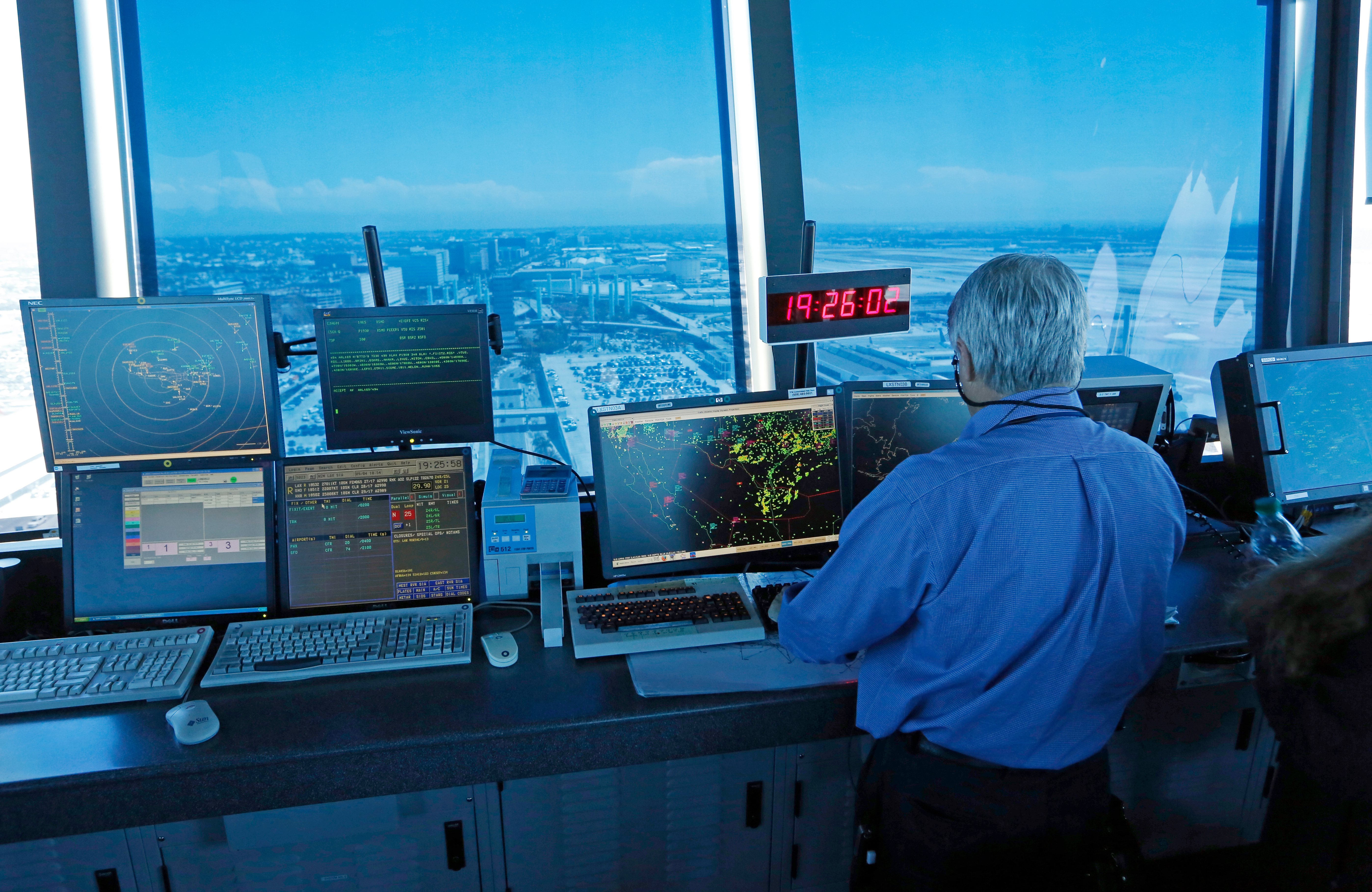
It is alarming that just the day before the crisis broke out, the founder of the British Weida crisis, Huang In-hoon, resigned from his post as Chief Executive Officer for the scandal of Chinese intelligence infiltration. The US intelligence services suspect that Huang Lok, a Chinese business woman with close ties to Huang In-hoon, is involved in Beijing intelligence activities, while Huang Lok-controlled Singapore company Megaseed has direct business links with the British Wei Da Advanced AI chip deal. The United States Congress has intervened in the search.
Two successive crises, with a sharp security doubt emerging: Is it possible that advanced AI chips and their accompanying technologies could be implanted in the back door, and thus become a tool for foreign intelligence agencies to infiltrate key United States infrastructure?
The security risks of modern AI chips not only exist in hardware itself, but also involve solids, driver programs, remote management privileges and software supply chains. Once these links are maliciously controlled, the attackers may bypass traditional network protection and obtain sensitive data or interfere with the operation of the system.
The previously disclosed Chinese Communist Party-related “Woodstorm” network infiltration activities have revealed the long-term potential risks of foreign intelligence forces targeting critical infrastructure such as communications, energy and transport. Once similar security gaps occur in the advanced AI chip supply chain, the potential hazards will increase as the range of technology applications expands.
原始来源 · justice.gov美国司法部公布关键基础设施网络渗透调查justice.gov ↗
The initial technical information on this FAA failure points to overloading of data on switches and routers in the old communication network and does not establish a direct link with the British Wyda chip. However, the severe technological impact of the national aviation system has itself demonstrated the indispensible vulnerability of the United States critical infrastructure.
The real seriousness of the events in Hoang In-hoon lies in the involvement of a corporate leader with strategic United States technology in foreign intelligence infiltrations involving private relations and business networks, while the related businesses are involved in advanced AI chips that are subject to stringent export restrictions.
Wong In-hoon has long dominated the business of Wei Da and has significant influence on the Chinese market, chip sales and the global business landscape. In the face of intelligence risks, the sensitive technical protection, customer identification, end-use management of chips and internal security systems in their missions should be the focus of parliamentary investigations.
The United States cannot limit the access of advanced AI chips to China ' s military and intelligence systems while allowing companies with core technology to lack effective controls over foreign intelligence risks. National security cannot be an accessory to commercial interests, nor can the founders of the technological giant be granted special exemptions because of their market position.
After 11 September, the United States invested enormous resources in enhancing aviation and homeland security. The national cessation crisis 25 years later again warned that national security threats had advanced into communication networks, computation chips and technology supply chains.
The resignation of Wong In-hoon should not be the end of the review of the security responsibilities of Young Weidar. The United States needs to find out not only where the sensitive chips go, but also who is in charge of decision-making on technology security within the enterprise and what commercial and technical channels foreign intelligence forces may approach United States strategic assets.
When core technologies become the basis of national security, enterprises that master them and their managers must assume public responsibility commensurate with their technological impact.
Article discussion
Verified members can discuss this report publicly and manage their own content.
Checking member sign-in status…