
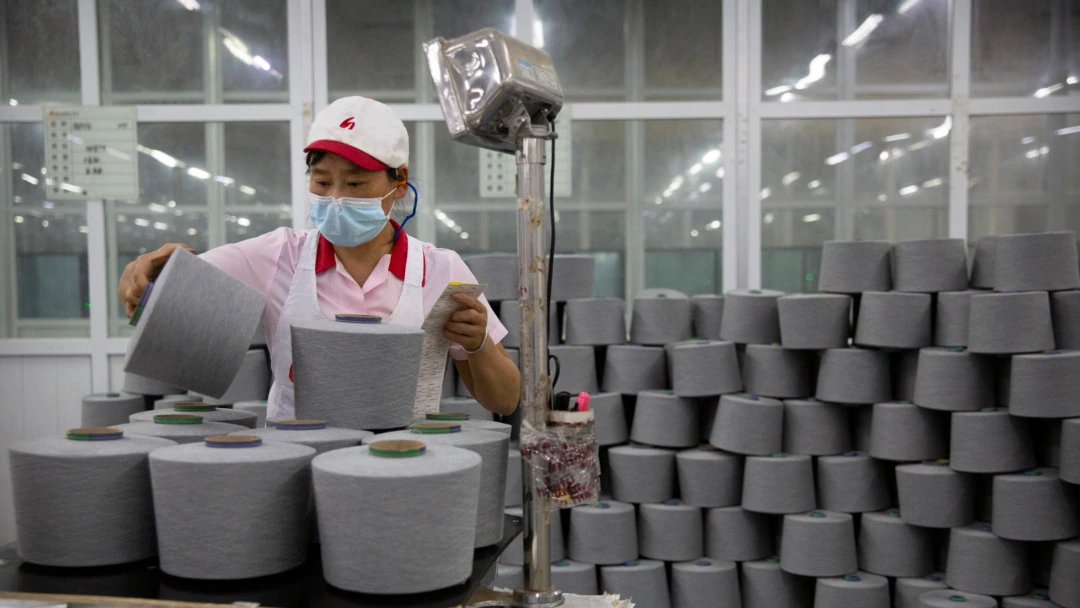
The question of whether a worker is able to leave his or her post is the most direct one in determining the nature of the labour system. In Xinjiang, when the number of employed persons is classified as “poverty alleviation” and “social stability” performance, how labour is organized, who determines the place of work, and what happens when the arrangement is rejected, is more revealing than the production of production lines how power enters personal life.
The United States Department of State released its 2026 Trafficking in Persons Report on 8 October, continuing to place China at the lowest level of third level (Tier 3). The report refers to the model of forced labour policy pursued by the Chinese Government and the relevant institutions in Xinjiang and Tibetan districts: members of ethnic minorities such as Uighur, Kazakh and Korkuz, who are under pressure to restrict their individual choice under the guise of detention, political control and “vocational training” “work transfer”. This is not a wage dispute between ordinary enterprises and workers, but rather a direct government organization and interference in labour relations.
原始来源 · state.gov美国国务院2026年《人口贩运报告》state.gov ↗Employment figures are political performance and workers lose their space to refuse
Beijing has long defended Xinjiang's policy with “de-extremization” “skill training” “de-poverty-strength” and has classified the number of people trained, the transfer of employment and the value of business production as a governance achievement. The State-controlled cadres, in mobilizing, organizing training, organizing jobs and trans-regional transfers, are not only responsible for job-skilling, but also for social management and political sanctions. When the authority responsible for security decides at the same time who must accept employment arrangements, so-called labour options are difficult to compare with recruitment in the general market.
Under this system, whether wages are paid cannot replace the right of workers to freely refuse their employment, to resign according to law, to change their place of residence or to be reunited with their families. The so-called “voluntary” employment contract may become the shell of power arrangements once it is subject to political scrutiny, social surveillance and the threat of administrative punishment. It is not only the employees of the enterprise that are affected, but also families who have lost their freedom to decide their lives.
From local orders to business contracts: who benefits from organized labour
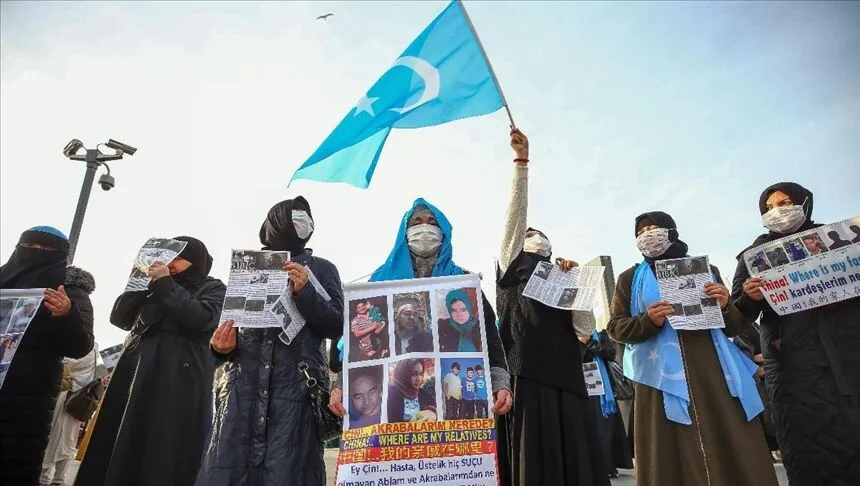
The power structure on forced labour runs through the grass-roots party committees, local community bodies, the Public Security Security Security System, the intermediaries responsible for the transport of labour and the enterprises that receive labour. (b) Managers may be able to achieve their performance by meeting the transfer targets, while enterprises may receive policy subsidies and stable sources of employment; Individuals do not necessarily have the right to negotiate with these institutions on a par. Workers face a system of administrative, security and commercial interests that support each other.
New Zealand cotton, aluminium, tomato processing and other manufacturing products can enter international markets along multi-layer traders and processing plants. The replacement of brokers, the reprocessing of goods and cross-border transport will not eliminate the responsibilities associated with the conditions of source employment. The organizational responsibility of local governments in China intersects with that of multinational enterprises in the supply chain: on the one hand, executive orders and labour controls, and on the other hand, product prices, procurement contracts and profits from overseas markets.
The United States Congress has long focused on Xinjiang ' s forced labour policy. After the release of the report, Congressman Chris Smith again criticized the Chinese Government for its practices. The United States Customs Service exerts pressure through supply chain traceability and import enforcement, but for workers in the field, export restrictions cannot by themselves substitute for the right to free choice of employment, effective complaint and independent judicial relief.
原始来源 · chrissmith.house.gov美国国会议员克里斯·史密斯就强迫劳动问题发表声明chrissmith.house.gov ↗Another form of forced labour in the transnational fraud park
The 2026 report also covered the transnational telecommunications fraud park in South-East Asia. Some of the parks are operated by Chinese criminal networks, and trafficked persons are forced to commit cyber-fraud under the threat of passport seizure, restriction of their personal liberty and violence. The core here is not only the loss of money for the victims of fraud, but also the modern slavery of kidnapped, resold and imprisoned persons. Organized crime, armed protection and the laundering of funds form a chain of interests, and the repatriation of the bottom-line persons who are forced to participate in fraud alone cannot cut off the proceeds of crime.
原始来源 · voachinese.com美国之音:2026年报告涉及中国与跨境诈骗园区的内容voachinese.com ↗The State cannot avoid its responsibility for coercive measures while setting labour indicators.
The Chinese Government has the capacity to formulate labour transfer policies and to control police, administrative authorities, information disclosure and labour dispute relief channels. This makes the Xinjiang problem fundamentally different from the general labour dispute: When the party that may violate labour freedoms has the resources to investigate, punish and adjudicate, it is difficult for workers to correct abuse of power through an independent system.
The most hidden part of institutional forced labour is its ability to obtain administrative legitimacy in the language of “employment” “training” and “deprived poverty”. The party bodies that decide on the movement of persons and posts have both the organization of work and control of the police and the procedures for relief, making it difficult for workers to consult with their counterparts in the State. The profit of procurement in international supply chains cannot justify the elimination of this power imbalance; More important than the number of people employed is whether the individual is free to leave.



Reader comments
Loading comments…