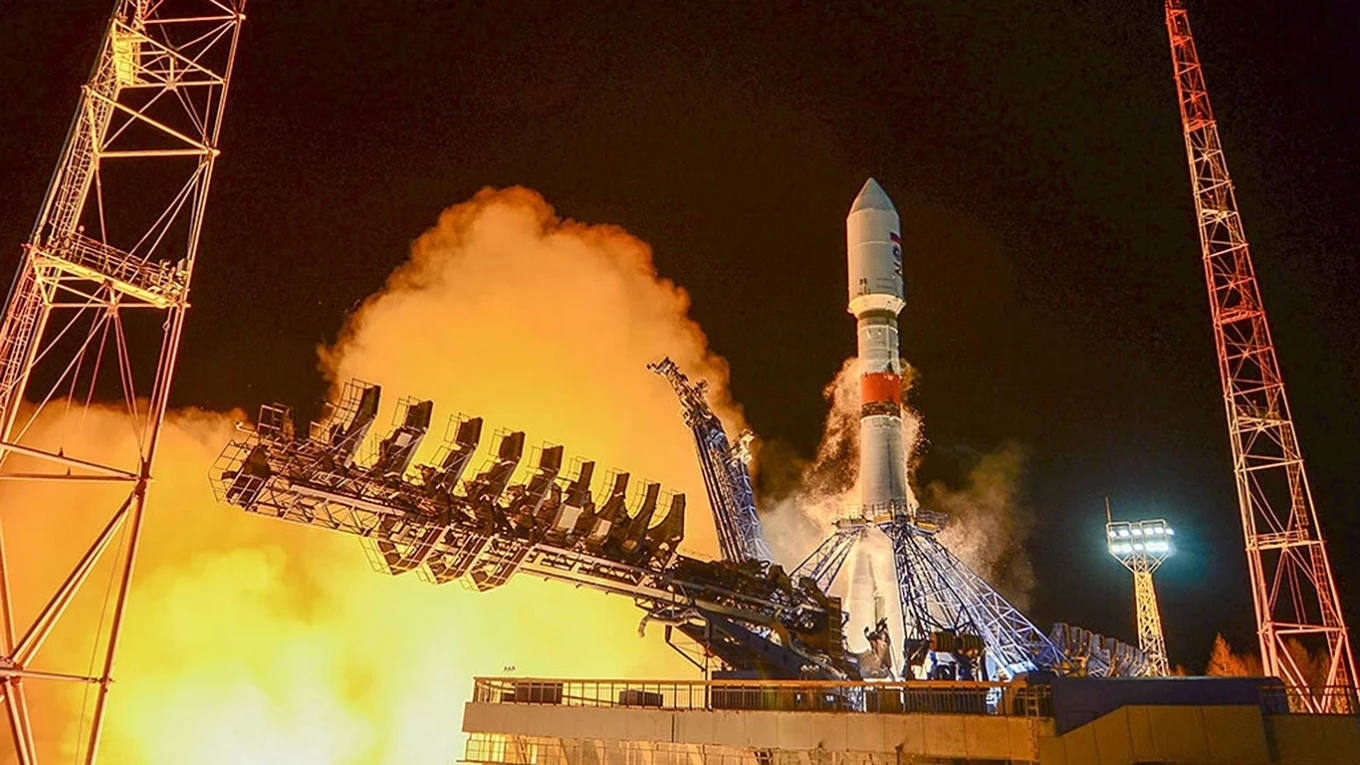
President Zelensky of Ukraine brought a communications competition in orbit directly to Trump.
In an interview with the Financial Times on October 3, Zelensky stated that he had repeatedly requested United States President Trump to sanction Russian and Chinese enterprises involved in the construction of Russian Rassvet low-orbit satellite network, most recently at a meeting between the two at the United Nations General Assembly in New York. Zelensky stated that the information available to the Ukrainian side indicated that the Chinese side was helping Russia to advance a capability similar to Starlink in the satellite field.
原始来源 · ft.comFinancial Times:Zelenskyy asked Trump to block Russia and China's Starlink rivalft.com ↗This request is not an isolated statement. On 30 September, the Acting Ambassador of Ukraine to the United States of America, Denys Sienik, publicly stated that Kiev was prepared to submit to the United States Government and Congress business and personal information in support of the Rassvet project and to promote United States action under the sanctions instrument. A few days later, Zelensky further confirmed that he had referred the matter directly to Trump on more than one occasion.
原始来源 · reuters.comReuters:Ukraine urges US sanctions on entities supporting Russia's Starlink rivalreuters.com ↗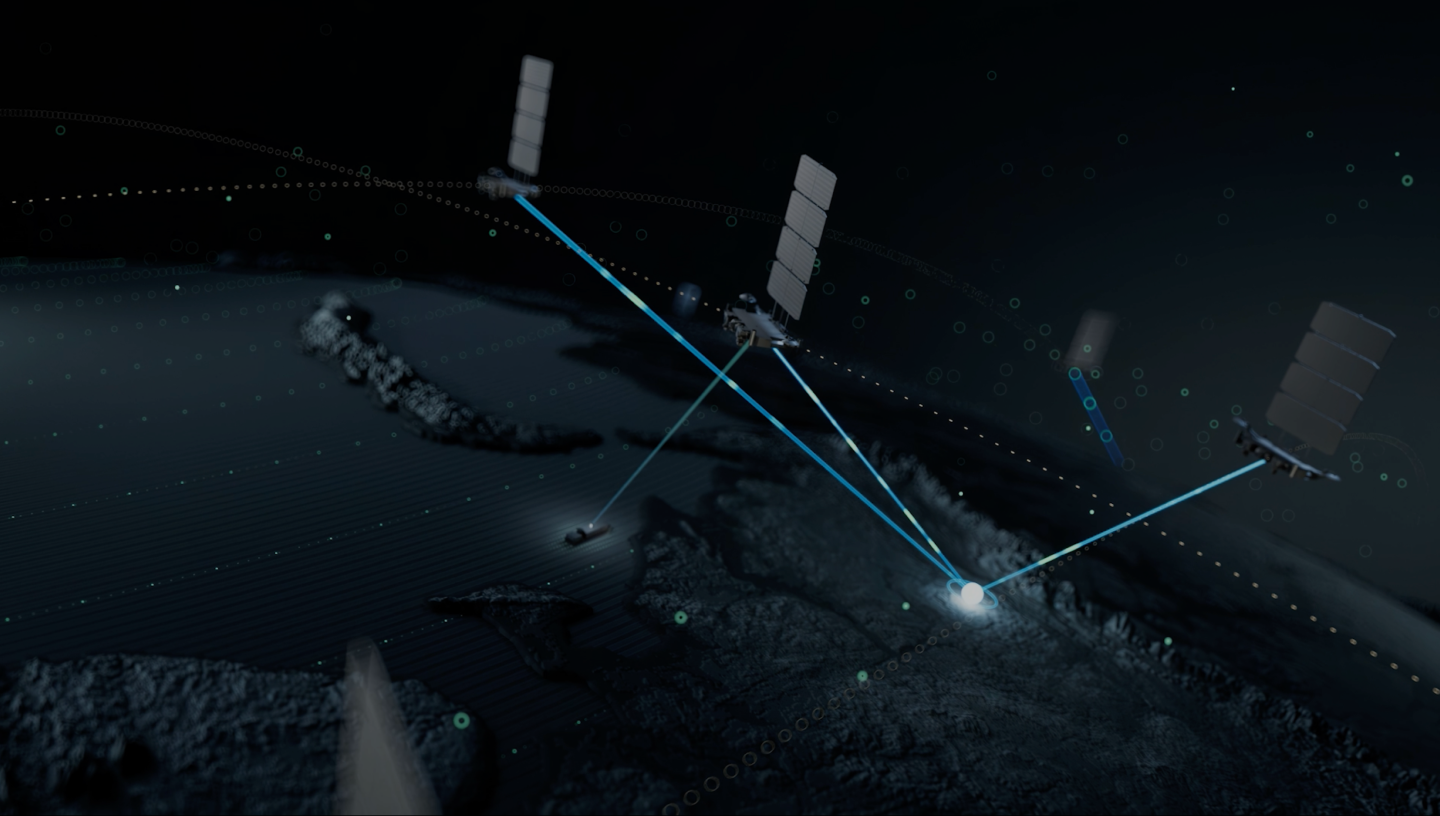
After 32 satellites, battle communications became a real problem
Rassvet was built by Bureau 1440 in Russia. The company placed the first 16 operational satellites in low orbit on 23 March, and completed a second batch of 16 in July. Open orbital information indicates that 31 operational satellites named RISVET were still in orbit or were being tested as of September.
It was not Russia that was genuinely concerned about getting a common civilian broadband, but rather Moscow, which had established a low-orbit battlefield communications network that was not controlled by SpaceX.
In September, the Ukrainian Defence Intelligence Service indicated to Janes that the Russian Army had used the first Rassvet satellites for several hours of satellite communications by the end of July. The Agency believes that this capability may be used in the future for real-time data transmission and for surveillance and for the control of attack drones.
原始来源 · janes.comJanes:Ukraine intelligence says Russian forces used Rassvet satellitesjanes.com ↗This means that the sanctions window is shrinking. In the past, the United States and SpaceX could still restrict the use of Starlink by Russian military forces through end-certification, area-coverage and service rules; If Rassvet were to form a stable cover, Russia would have a low-lated satellite link under its control.
Why Chinese companies' request for sanctions to enter Zelensky
Zelensky openly listed Chinese and Russian enterprises as the most sensitive part of his statement. He stated that China was studying the possibility of satellites and helping Russia to build a capability similar to Starlink, but that public reporting to date had not disclosed the list of specific Chinese enterprises he had submitted to Trump.
It is therefore possible at this stage to confirm that the President of Ukraine has submitted a request for sanctions and that the Ukrainian side has alleged the existence of Chinese support; The components, technologies or supply chain in which specific enterprises are involved still need to be identified on a case-by-case basis, pending the submission of Ukraine ' s list to Washington and the United States follow-up sanctions document.
The EU has previously included the chain of industry related to Rassvet in its sanctions discussions, with a focus on limiting Russia ' s access to dual-use electronic components and communications technology. If the United States pursues third-country suppliers further, the focus of sanctions may extend from Russian project subjects to the cross-border supply chain of chips, radio-frequency devices, satellite communications equipment and manufacturing tools.
Trump is not just facing the "sanctions against Russia"
Zelensky referred Rassvet to Trump, effectively requiring Washington to choose between three levels: whether to consider Russian commercial satellite communications systems as military capability; Whether sanctions are imposed on Chinese enterprises alleged by the UCPU to be involved in the project; And whether the United States is willing to use its control power on high end semiconductors, financial settlements and the space supply chain to raise the construction costs before the network is fully established.
The Ukrainian side also requested more Patriot to intercept the bombs. The two requirements are ostensibly space communications and air defence, respectively, and are pointing to the same issue: Russia is looking for a more stable surveillance-communication-unmanned-missile link, while Kiev hopes that the United States will both weaken the link and improve its interdiction capabilities.
Rassvet is still much smaller than Starlink. The Open Planning of Bureau 1440 is to continue to expand the constellation and the objectives of commercial services are still changing. But the key to the war is not whether it can copy 10,000 Starlink satellites, but whether dozens to hundreds of satellites are sufficient to provide independent communication windows for the Russian army at a given time and in a given region.
Zelensky has repeatedly raised sanctions with Trump, indicating that Kiev has judged this risk to be moving from a future planning phase to a phase requiring immediate intervention. The next step that is truly worth tracking is whether the Chinese suppliers on the list of enterprises that Ukraine has given to the United States, and whether the Trump government will turn this request into a formal sanction.
Article discussion
Verified members can discuss this report publicly and manage their own content.
Checking member sign-in status…