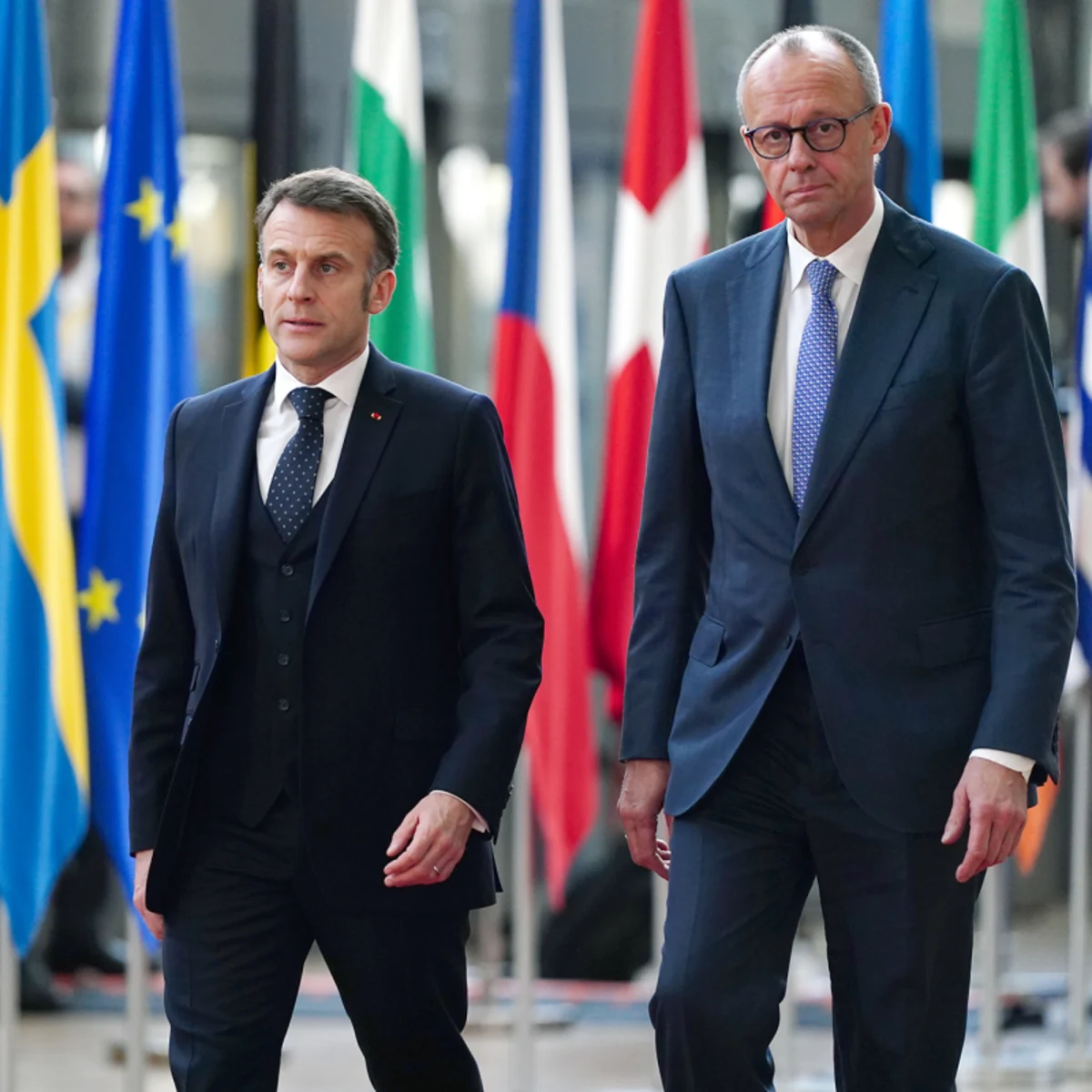
French President Margaux and German Chancellor Metz sent a joint letter on 5 October to the President of the European Commission, von De Lehn, requesting the EU to establish a trade counter-measure mechanism that could be launched in a few days. = _ _blank' rel= =nopener noreferrer' data-linked-reference= =tru' data-reference-label= >retress' > >/a>, which is not named by Reuters, lists risks — dumping, extensive subsidies, restrictions on exports of key raw materials and systemic market distortions — is highly resonant with the EU's major trade allegations in Beijing in recent years.
At the heart of this proposal is not to add a long countervailing survey, but to change the slow pace of the EU “investigation, negotiation, final vote”. The French and German authorities wish to authorize the European Commission to take swift restrictive measures in the event of serious economic coercion or market distortions and to adopt the “reverse qualified majority” mechanism: the Commission's decision becomes self-executing unless it is jointly rejected by a sufficient number of member States. Such a system design would mean that a few Member States that rely on the Chinese market and are accustomed to delaying hard-line measures would be more difficult to stop.
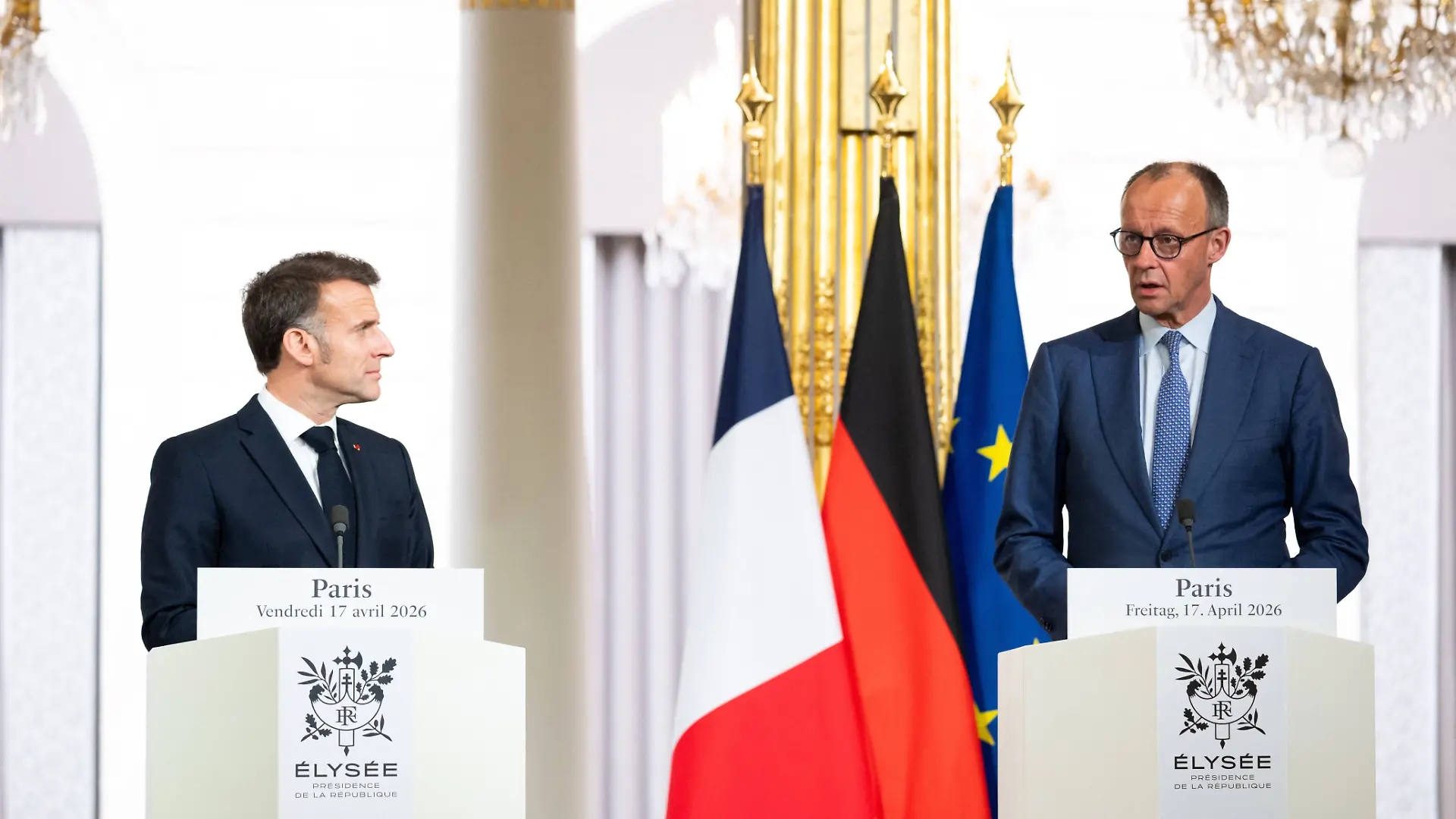
The French-German paper also proposes another “pluricultural tool” to reduce Europe's reliance on single-source key goods. The reference by German officials to the United States Trade Act, article 301, and China ' s export restrictions on key minerals reflects European concerns about Beijing ' s transformation of supply chain advantages into political leverage, moving from the enterprise level to the design level of the system.
This is also an important signal of a change in Germany ' s position. For a long time, large German firms have been more dependent on Chinese manufacturing bases and markets, and Berlin is usually more cautious than Paris in trade with China. But China’s low-cost manufactures continue to hit European industries, and export controls on key minerals are frequently emerging, and employment pressures on the automotive and industrial sectors in Germany have made it increasingly difficult to maintain “free trade priorities.”
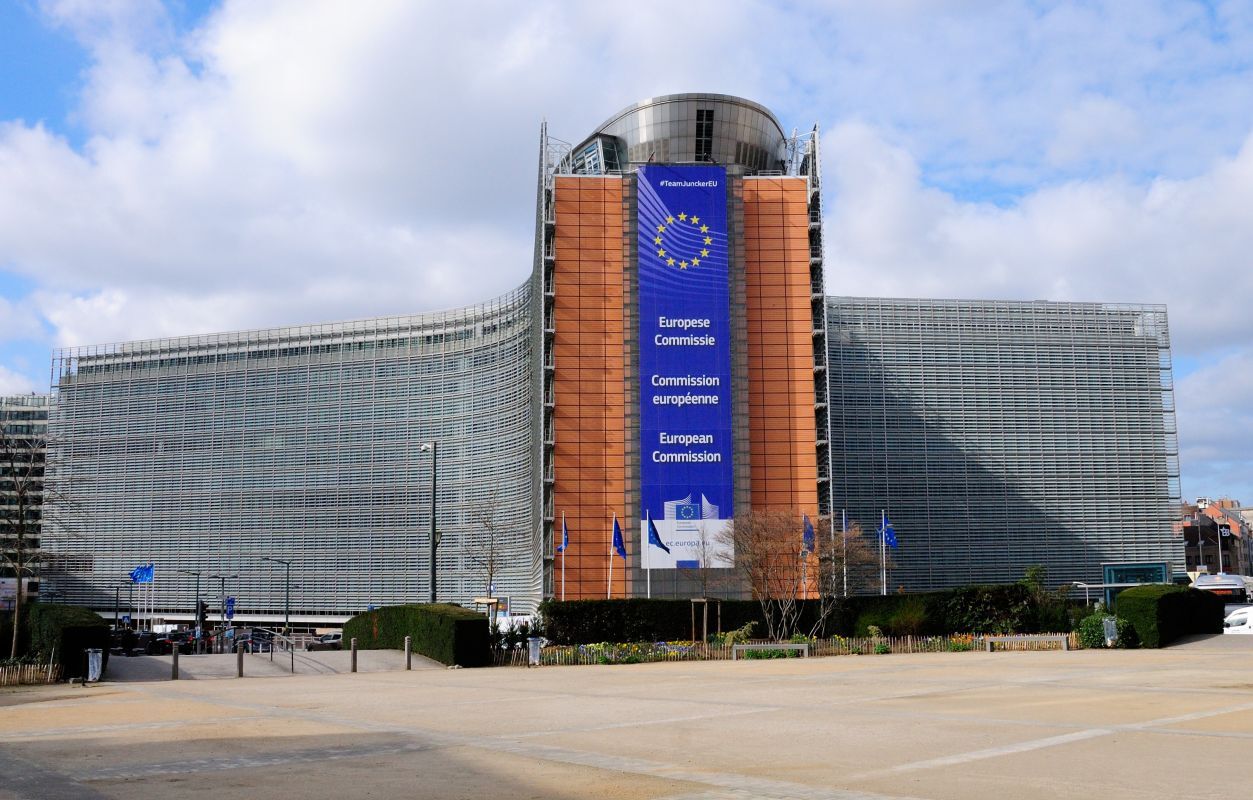
The European Commission welcomed the French-German proposal as being in line with the European economic security and competitiveness agenda. Ten days later, EU leaders will discuss trade imbalances against China in Brussels. The debate will then focus not only on whether to be tougher on China, but also on whether the EU is willing to move from a temporary measure to a permanent power that can be quickly used.
原始来源 · consilium.europa.eu欧盟反经济胁迫工具:对第三国贸易施压的制度性反制框架consilium.europa.eu ↗Beijing has traditionally used the divergence of interests among European member countries as a policy buffer: industries such as automobiles, luxury goods, machinery, and chemicals are dependent on China’s market to varying degrees, making it difficult for the EU to form a unified counter-measure. The real touch of the French and German coalition this time is this kind of space. If the Commission were to be granted a faster and more difficult right of action, the cost of using the differences among its member States to slow down European countervailing systems would increase significantly in Beijing.
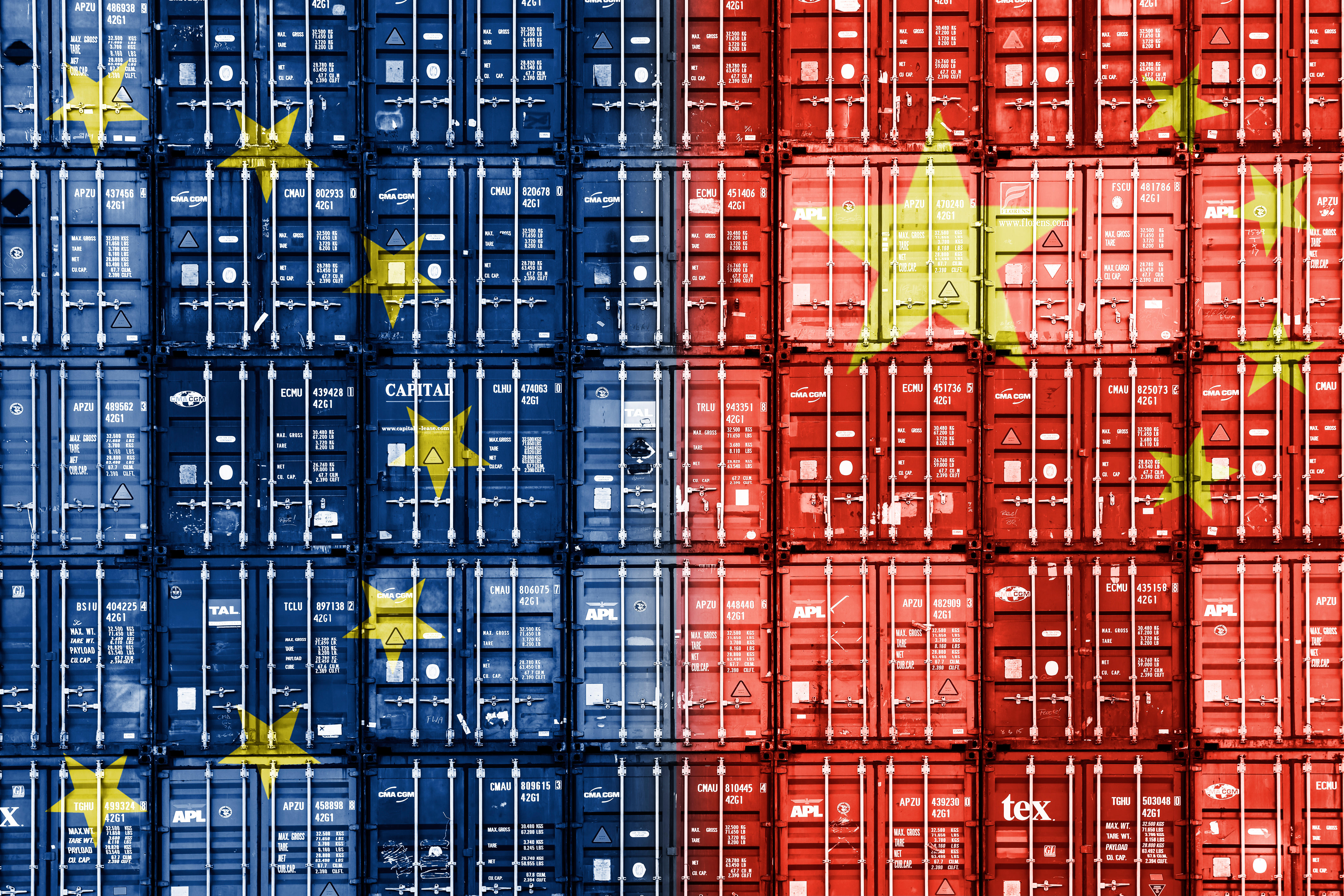
This does not mean that the EU will “delink” from China. More realistically, Europe is moving from looking at China as a mere trading partner to looking at subsidies, industrial policies, export permits and market access as a set of State-owned instruments. When trade was used in Beijing to sustain industrial advantage and strategic dependence, Europe also began to try to tie economic openness to political defence with institutionalized counter-reaction.
Article discussion
Verified members can discuss this report publicly and manage their own content.
Checking member sign-in status…