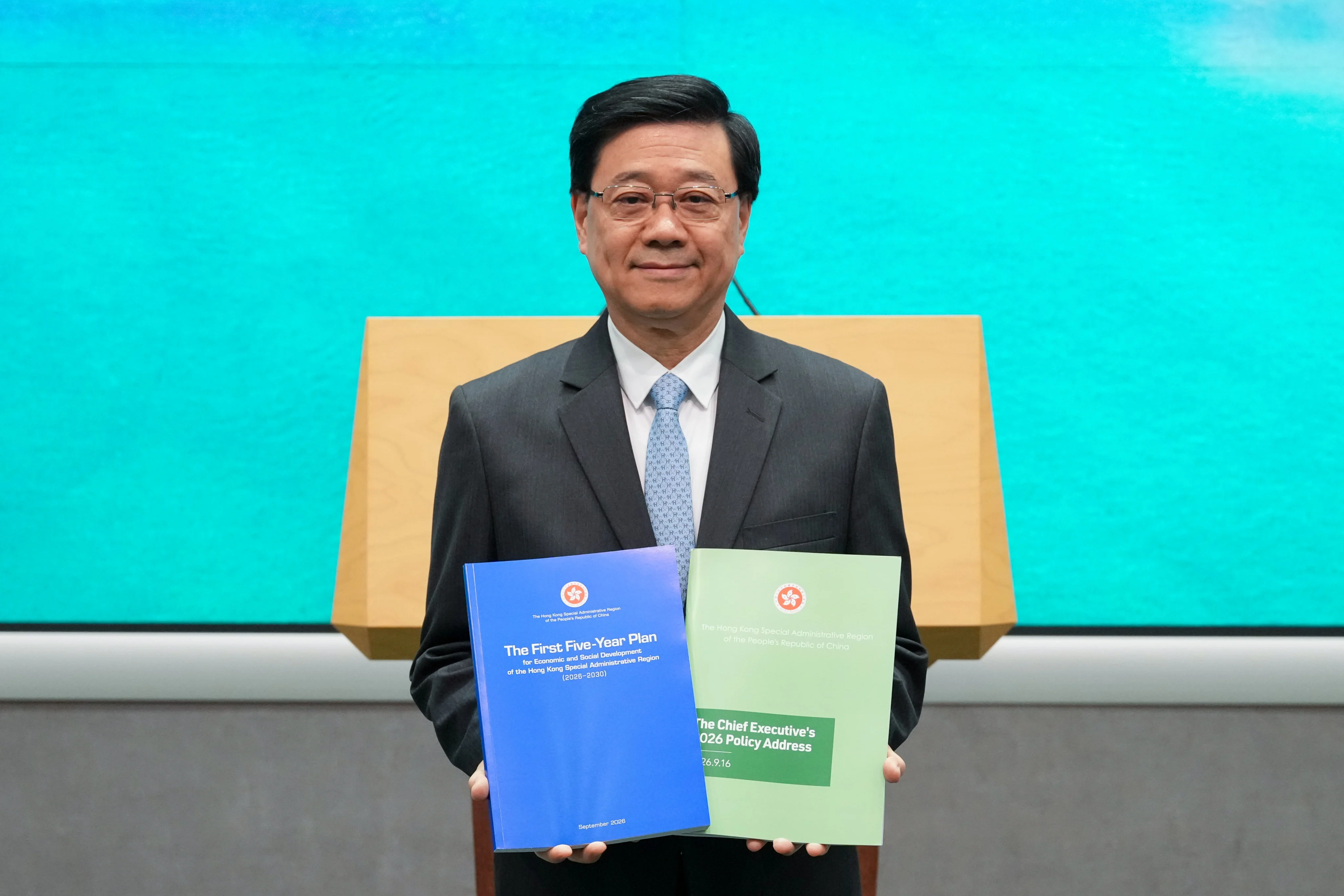
The proposed “Ai City Brain” in Hong Kong is the first phase of which includes the Emergency Monitoring and Support Centre of the Security Department. The LEE Jia-Chai arranged in the 2026 Governance Report not just a set of transport or disaster relief tools, but rather to bring data from multiple sectors into a common analytical environment and write their use into day-to-day public order management.
Specific structure is given in paragraphs 418 to 420 of the governance report: the Chief Secretary of the Department of Political Affairs leads the task force, involving the Directorate of Security, the Bureau of Innovation, Technology and Industry, the Development Agency and the Transport and Logistics Bureau; The departments simultaneously develop or upgrade their own facilities and re-enter the system. Cross-sectoral data sharing is not a forward-term spin-off, but rather a construction objective of the plan.
The Police Service proposes a “Mission Platform for Major Accidents” to be developed for the purpose of exchanging real-time data between emergency response units, capturing casualties and missing persons and accelerating the situation of those affected with artificial intelligence. BDP, for its part, continues to collect building information model data and refine three-dimensional digital maps; The Smart Drone Management Platform will also be extended to the strategic area of the port to support over-the-horizon patrols, automatic monitoring and artificial intelligence analysis. When different information is fed into co-operating images, Governments acquire a cross-sectoral observation and brokering capacity.
The transport component is relatively clear in place and time: Hong Kong Child was selected for piloting, with the functionality to deal with extreme weather to be introduced in 2027 and the rest in
- By contrast, paragraphs 418 to 420 do not give the same specific scope as to what activities are covered by the “day-to-day management of public order” and how analytical use is restricted. The broad-based use of one end of the list and the low level of authority are the political issues in the plan.
The Digital Rights Report of 16 October on China ' s human rights concerns this arrangement, referring to the risks of access, preservation and independent monitoring of information, and recapitulating that Li Jia ' s previous statement that the system would not access personal data. The Government's commitment should be understood in conjunction with the description of the programme's information on casualties, disappearances and affected persons: urban statistics in general and information that can identify specific individuals should not be confused under the concept of “data-sharing”.
This does not mean that the system has been used to track dissidents. The material available describes the construction plan and the power allocation that should be discussed when it is formed. For Hong Kong citizens, the key change is information previously dispersed across different sectors, which can be accessed and analysed by the security and police systems; The capacity built in the name of emergency response, once extended to the day-to-day public order, is close to the areas where assemblies and public expression take place.
Governments explain technology investments in an efficient manner, while the long-term consequences for the public include data power concentration. The effectiveness of disaster relief cannot be taken as an automatic mandate to expand the use of all day-to-day analytical purposes. The earlier the system is built, the more meaningful it is to clarify the limits of use, keep track records and allow independent inspection; The border is discussed after the database is connected and citizens are already faced with a set of powers that are in operation.
原始来源 · policyaddress.gov.hkThe Chief Executive's 2026 Policy Addresspolicyaddress.gov.hk ↗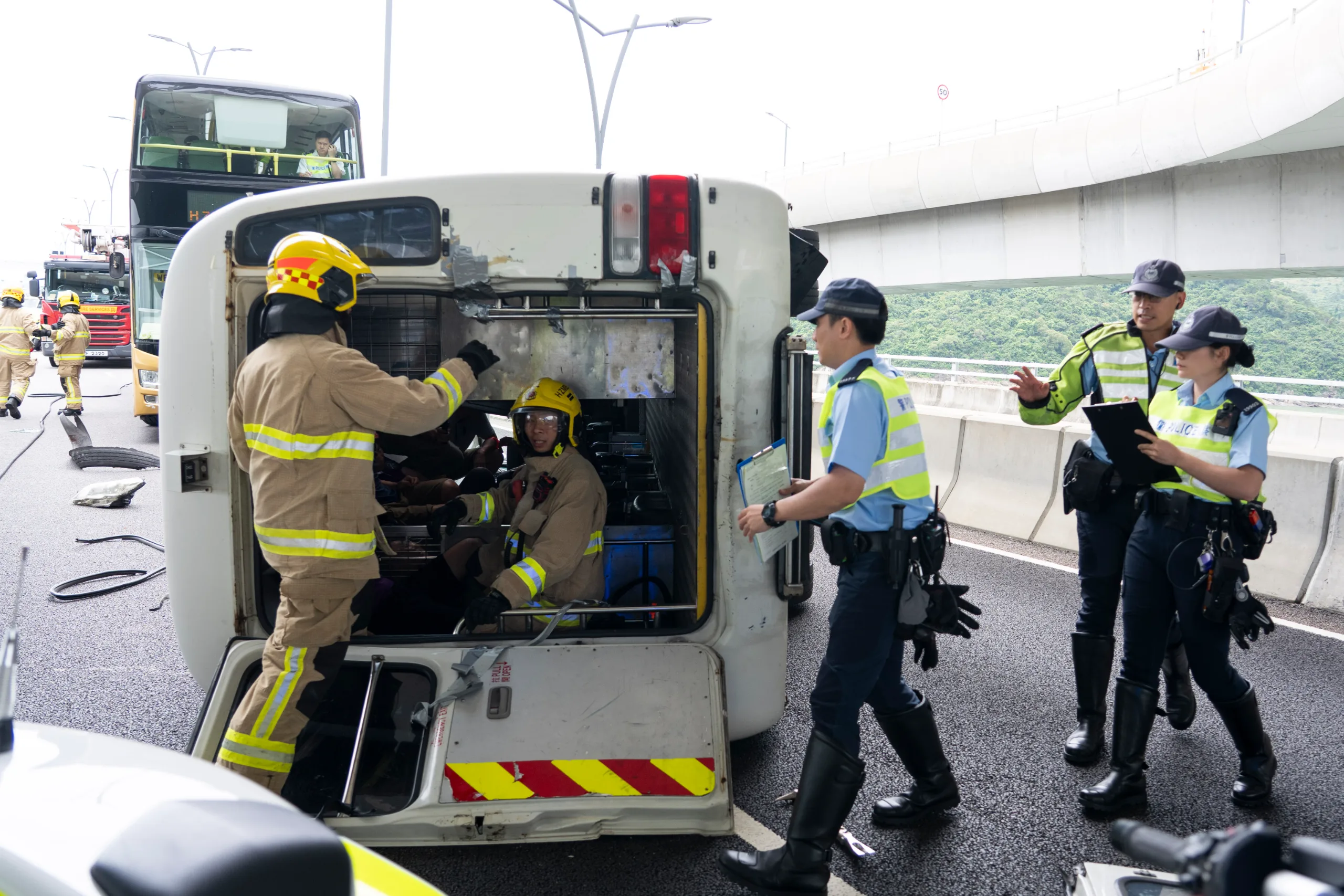
Article discussion
Verified members can discuss this report publicly and manage their own content.
Checking member sign-in status…