50 web reptiles, 10 priority countries, a system of artificial intelligence data that can analyse individual political attitudes and social relationships. The Dutch investigation of the disclosure of the media, Fololow the Money, on 11 November, uncovered the way in which the CCP Central War Department used Chinese universities to collect information about people abroad, identify key figures and develop political influence strategies.
The system, called the Grand Data Platform for Foreigners, was built by the Data Centre of the University of Sud, which is directly under the Central Command of War. Some 50 internal documents, which were formed in 2022, and a promotional video show that the platform not only collects information from the Chinese diaspora, but also includes foreign scholars, corporate executives, social media influencers and Taiwan's semiconductor industry.
Of even greater concern is the fact that not only names, education and occupations are systematically recorded, but also the attitudes of individuals towards China, social relations and the effects of previous contact actions. The information collected is organized into a personal image and network of relationships, which are used to identify persons worthy of contact, influence or influence.
These materials were obtained by NetAskari, founded by Cybersecurity researcher Marc Hofer, and subsequently made available to media in the Netherlands, such as Follow the Money and British Sky News. They have enabled the digitalization of the war mechanisms that have long been hidden behind cultural exchanges, diaspora studies and maritime outreach activities, for the first time in the form of more specific technical documents, to reach the public view.
原始来源 · ftm.nlFollow the Money:暨南大学海外人物数据库及网红影响力调查ftm.nl ↗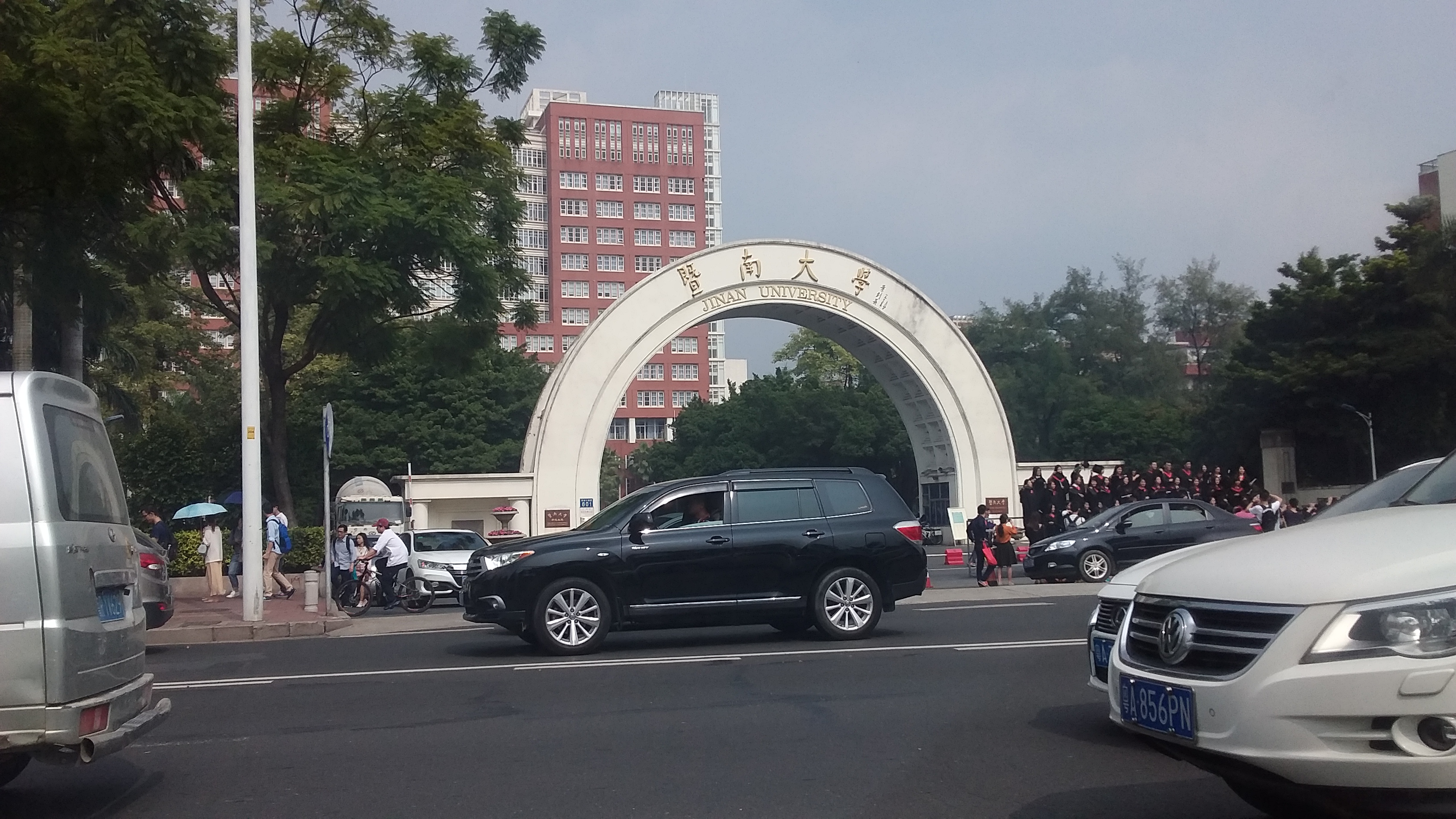
One Central Headquarters University, why a database of overseas personnel was established
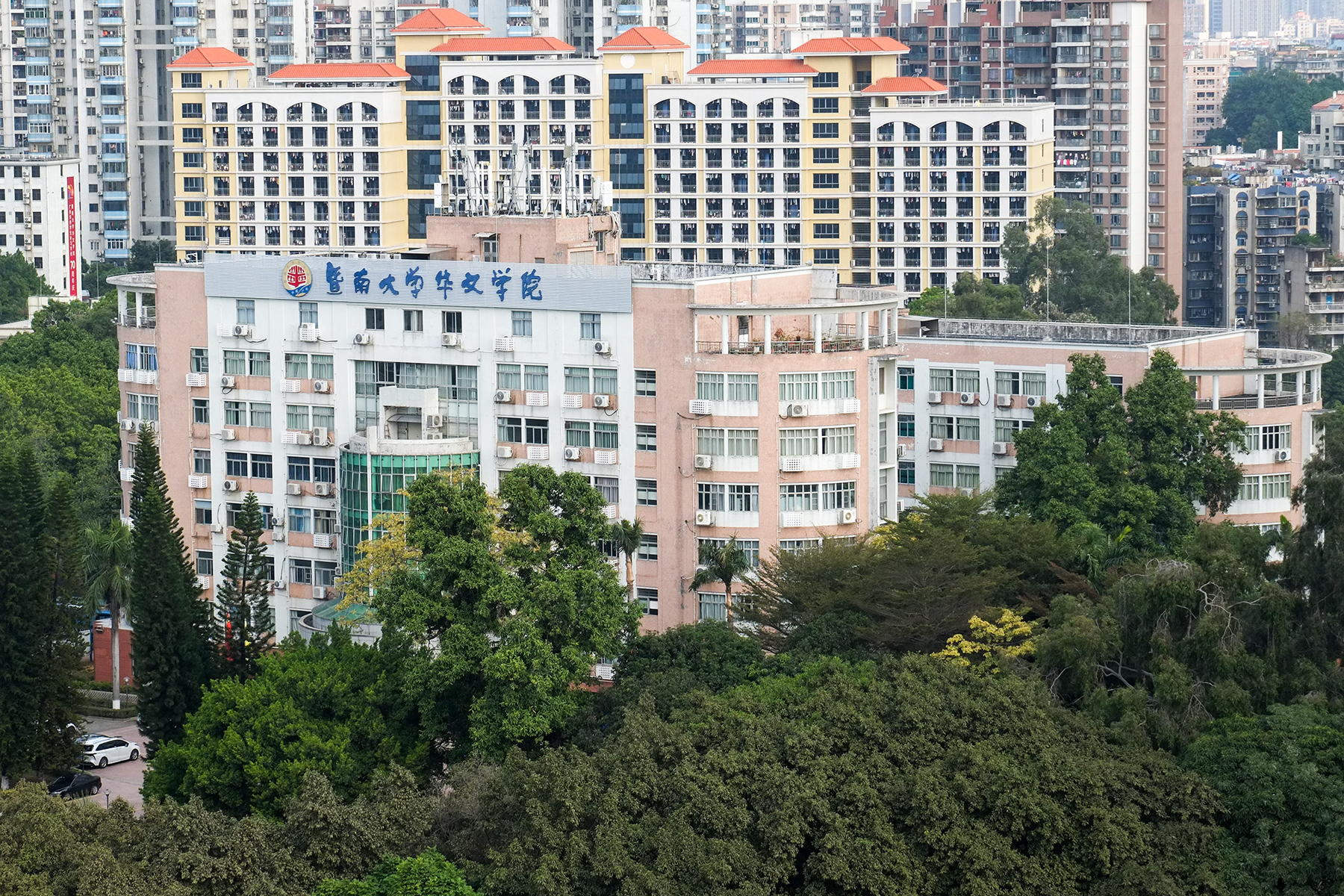
The University of Guangzhou and South China have long been home to the “Senior Chinese Academy”. The official school website clearly states that the Central Unified Front of the Communist Party of China (CCP) is a unit of the Central Command of the Army, the Ministry of Education and the People ' s Government of Guangdong Province.
This administrative reporting line created a clear organizational link between the authority responsible for the leaking document and the technical enforcement agency.
According to internal documents, the Central Directorate General of War commissioned the University of Nandu to build a “Major Data Platform for Foreigners”, which is intended to provide information support to the relevant government departments, party organizations and the work of the Unified Front.
原始来源 · netaskari.substack.comNetAskari:The Smart Eye 内部文件研究netaskari.substack.com ↗The mission of the University of Éducation et Sud includes collecting information on the social dynamics of Chinese overseas, analysing public attitudes towards China, mapping networks of key figures and assessing the practical impact of outreach and outreach activities.
Traditional expatriate work relies mainly on embassies and consulates, diaspora associations, overseas associations and personal contacts. Digital platforms re-circulate information that is scattered over the Internet, schools, businesses and social media into the same analysis system.
This means that attention to someone need not begin with formal contact. In the absence of any information from me, public statements, professional background, interpersonal contacts and political tendencies may become the subject of internal research within the OMC.
50 web reptiles: open information processed into political archives
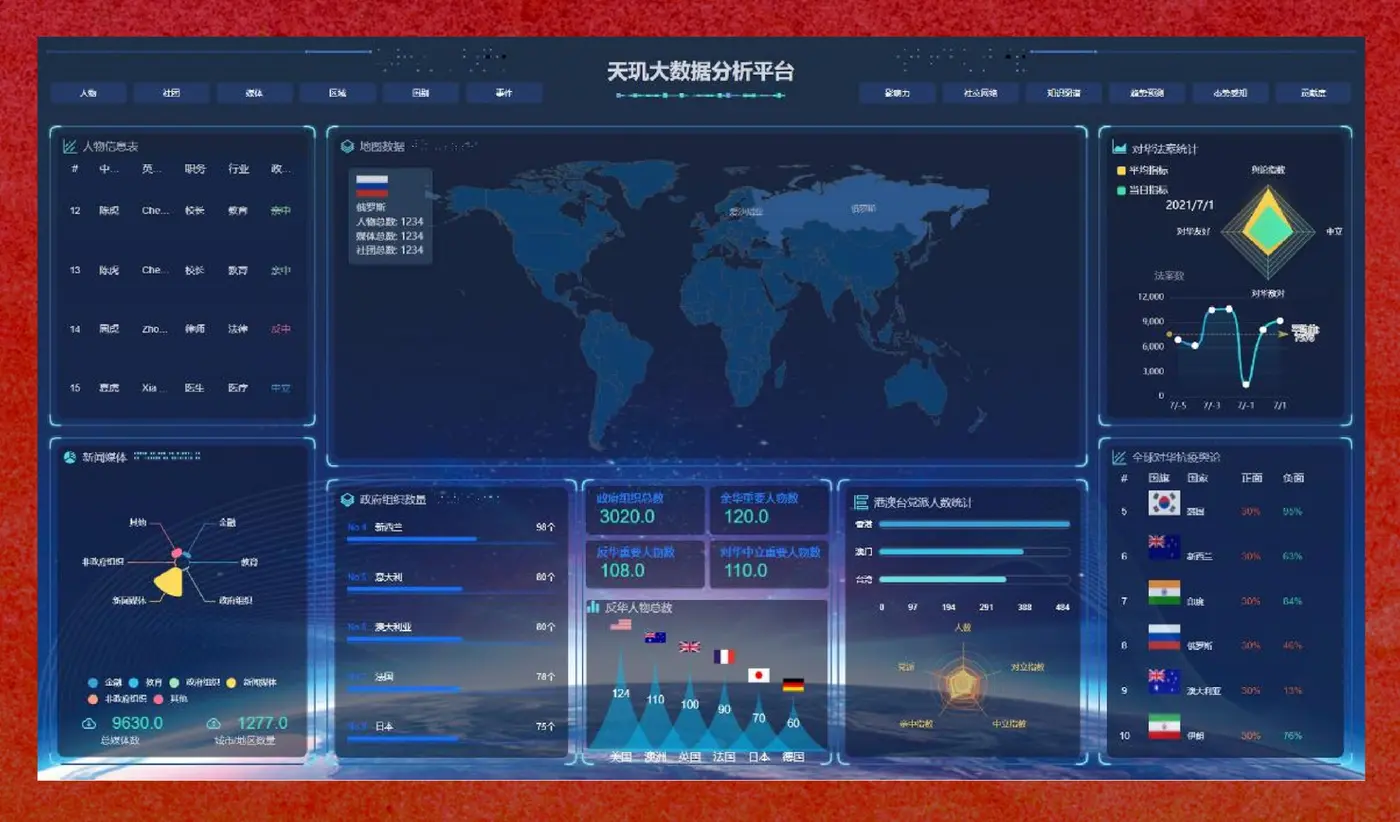
Follow the Money revealed that the platform design uses artificial intelligence and 50 web reptiles to gather information in 10 priority countries.
Data sources include microblogging and international social platforms such as Facebook, YouTube and Instagram, as well as schools, businesses, think tanks, social organizations and news websites.
According to the online security media Dark Reaging, some of the collection procedures are operated through offshore equipment and a network of rotation agents. The technical paper specifically requires that they be avoided from being tracked and discovered by the target social platform.
原始来源 · darkreading.comDark Reading:针对台湾芯片领域人物关系的AI分析darkreading.com ↗The system is informed by language translation, keyword extraction and data collation, cross-referenced with the already available key person data and the creation of personal image and social relations networks.
The analytical projects described in the internal document include:
- Personal background: Vocational, educational, economic and social status and affiliation.
- Political attitudes: Perceptions, public positions and proclivity on issues related to China. - Human relations: trades, association and association with other key people. - Records of contacts: The effects of previous contacts and the possibility of continuing to develop relationships.
The platform is also equipped with a monitoring panel to enable users to observe changes in interest and international opinion trends in key figures and to screen potential subjects of contact based on the results of the analysis.
The most important change in the news value here is that ordinary Internet information can be translated into policy-making material that serves specific political purposes, after being systematized.
The articles published by a person, the academic activities involved, the public work experience may be considered as general information alone. Once combined with political attitudes, social relations and a record of past contact, it can be the basis for determining whether it is worth fighting for and how to engage.
What is really subject to monitoring is the entire process of these personal data entering the decision-making system of the party organs from the public Internet.
Taiwan Chip Industry: From Talent Recognition to Relationship Infiltration
Of the material leaked, a study of Chinese talent in the chip field was of particular interest.
According to the Fololow the Money and Dark Reaing, the report analyses the technical director of the Taiwan Artificial Intelligence Chip Company Skymizer and his network of relationships, and involves both the outstanding students at Taiwan University of Higher Education and the relevant directors of Microsoft Artificial Intelligence Research Institute.
Skymizer is engaged in the development of artificial smart chip compilers and related software. Its fields of study are closely related to high performance computing, AI chip design and software optimization.
The document does not merely record the identity of these persons, but also further suggests ways of establishing links.
One of the recommendations is to develop relationships through non-official channels such as co-town organizations, alumni associations, professional associations and so forth, and to reach target persons through established social networks.

This working approach reveals the division of labour between the data platform and the traditional integrated networks: the former is responsible for targeting, analysing relationships and forming recommendations, while the latter can use social channels of communication to provide practical contacts.
Against the background of export restrictions on advanced semiconductor technology and the strategic international value of Taiwan ' s scientific and technological talent, this organized information gathering for specific industrial personnel has already addressed the issue of scientific and technological security and cross-border political implications.
The publicly disclosed documents show the process of developing a strategy for identifying and reaching individuals, but do not provide a record of the actual involvement of these specific persons in cooperation or the transfer of commercial secrets to the Communist Party.
The key to the survey is a data system commissioned by the party bodies, which has included key scientists and scientists from Taiwan among the subjects with clear access recommendations.
Net Dutch to Chinese political participation: how influential people get on the list
The platform ' s objectives are not limited to Chinese.
Follow the Money revealed that a 25-page analysis of social media influencers included Nikkie de Jager, a prominent Dutch make-up blogger.
She operates social media accounts under the name NikkieTuturias, with a large audience in the field of international beauty and fashion.
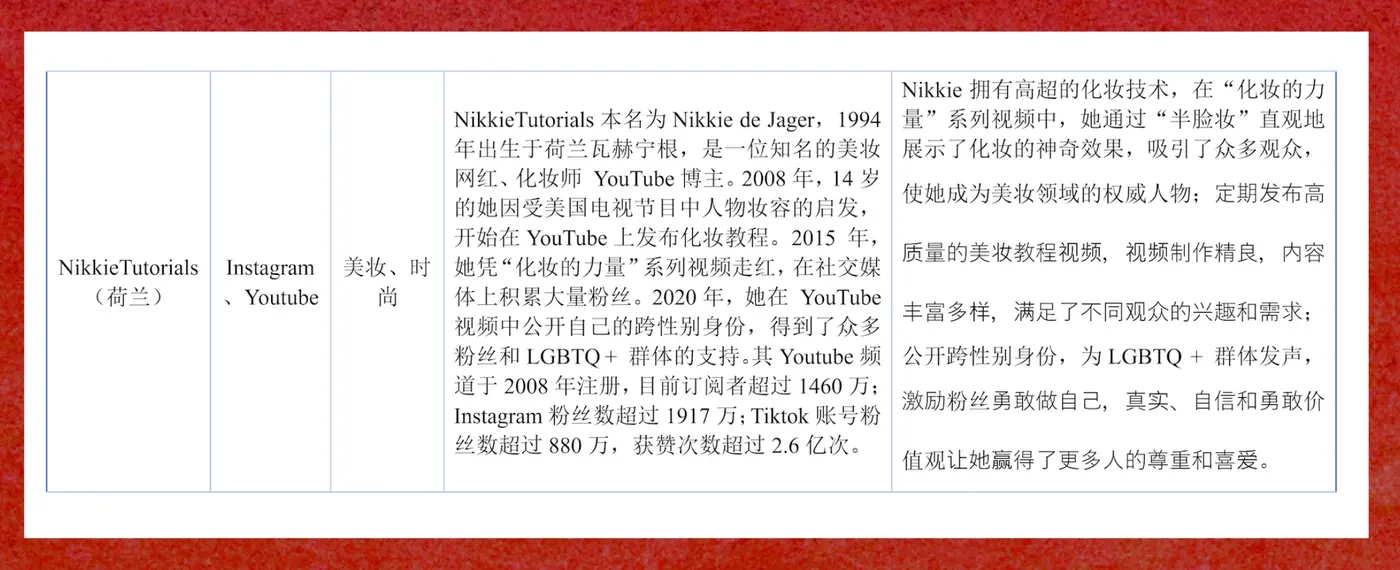
The report analyses her network influence, audience size and personal image and studies them as influential figures who may serve China ' s external communications objectives.
In response to the Dutch media, her broker Wes van Os stated that, to the best of his knowledge, Nikkie had not received such requests for cooperation from the OCDF or the relevant agencies; Even if it does, it will not be accepted.
The paper also covered German fitness blogger Pamela Reif, former Spanish football player Sergio Ramos, and network influential figures in several Asian countries.

For the CCP, foreign creators with a large real audience have different characteristics of communication compared to the direct use of the official media in China. The trust that fans build with their creators can be a potential channel for political information to the public sphere of opinion in general.
The Netherlands is also directly present in another catalogue of studies at the University of Sud.
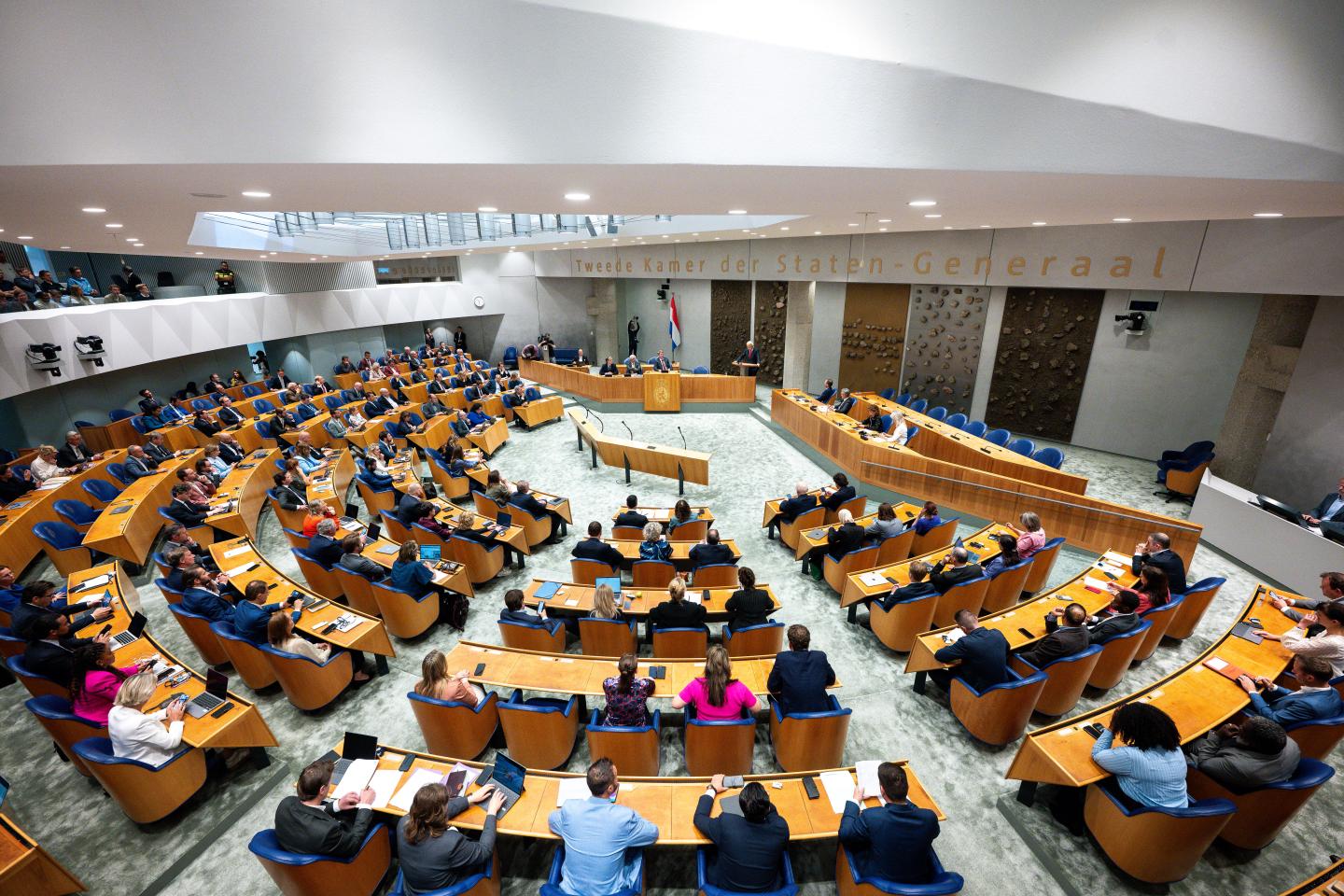
The leaked document lists the 393 studies prepared by the data centre. Report No. 353, “Challenges and Policy Recommendations for Chinese Participation in Dutch Politics in the New World”.
原始来源 · ftm.nlFollow the Money:荷兰影响力人物与政商研究ftm.nl ↗This title shows that the participation of Dutch Chinese in local politics has become a subject of special study at the data centre. The full body of the report was not made public with the leak, so the specific subject of the study and the policy recommendations had not been disclosed.
The Dutch Chinese are regular citizens protected by Dutch democracy by their participation in elections, by joining political parties and by expressing their political views, in accordance with the law. The inclusion of such activities in the system of political impact studies of the foreign ruling party, which involves the Chinese political autonomy and the borders of foreign political forces for interference in local public affairs.
In 2024, Fowlow the Money, in conjunction with the Netherlands RTL News, investigated the financial and organizational links of the local political party NL Plan, revealing that the party received more than Euro41,000 from the Chinese community and that some donor agencies were associated with the CCP-UCPS.
The present study, No. 353, added a new layer of data collection and analysis of political strategies to the topic of political participation of Chinese overseas.
20,000 Quasis, 2,000 overseas media: the Omnibus has begun to be evaluated in data
The leak also shows that the system not only seeks to reach out to individual audiences, but also attempts to measure the operational effectiveness of existing integrated and communication networks.
The document sets out the analytical tasks for approximately 20,000 valor schools around the world, covering school distribution, student size, teaching staff and teaching materials.
Another task called for the collection and analysis of the content of the communications of over 2,000 overseas valorous media to assess their impact in the local community.
The indicators include the extent to which news content is cited in local media, the extent to which local government attention is being paid, and whether some of the reports have a resonance in local public opinion.
It was also mentioned that the University of South Asia, in cooperation with the OMS, had established a network of think tanks that included 173 Chinese scholars from the sea and from the sea. Some of the studies were assigned to senior CPC officials for information.
These records present a working mechanism that has gone beyond general cultural exchange statistics.
The SFD schools can be considered as channels of linguistic and cultural communication, overseas media are included in the impact assessment of advocacy, and scholars and entrepreneurs can become key nodes in the social impact network.
When information from these different areas is integrated into the same platform, the OMC is able to understand more systematically the distribution of resources, research the subjects and evaluate the impact of the activities.
Chinese overseas personal information, who has the right to collect and use
The survey also brought a real question to European society: can the information of the Chinese diaspora network be gathered on a large scale by foreign political institutions and used to judge their political attitudes and social relations?
The Netherlands Personal Data Protection Agency (Autoritit Persoonsgevens) has long stressed that even if personal information is publicly available on the Internet, it is automatically captured, politically projected and used in a targeted way, it is subject to the rules of personal data protection.
Under the EU General Data Protection Regulation (GDPR), personal information concerning political views falls into the category of sensitive data subject to special protection. The processing activity must have the legal basis and meet the corresponding data protection conditions.
原始来源 · eur-lex.europa.eu欧盟GDPR正式法规eur-lex.europa.eu ↗For the University of École du Sud, specific legal responsibilities also relate to the place of data processing, the treatment of subjects, the monitoring of the conduct of persons in the EU and whether the related handling activities fall within the scope of application of EU law.
But from the perspective of press monitoring, the question is already very specific: do the overseas residents know that their political attitudes are being documented? Will these data be made available to the Chinese party authorities? Do individuals have the opportunity to know, correct or reject the treatment?
These issues are also directly related to cross-border harassment and political security for dissidents, human rights activists and their families from China. The cost of identifying social networks by the institutions concerned may be reduced if public identities, organizational relationships and political views are remitted into a highly centralized database of persons.
The cultural ties and legitimate social activities of the Chinese community should not be used as a political resource at the discretion of the foreign ruling party.
From OCSS to the tertiary data centre: a clear chain of institutional responsibility
The news value of the leaking material ultimately falls on the system and accountability relationship.
The University of Sunan is not a general technology company that has occasionally cooperated with CCP, but is a direct university of the Central Command of War. The administrative reporting lines of the schools are publicly available, corresponding to the delegation arrangements for internal document disclosure.
The platform described in the document has completed a series of links from Internet collection, personal portraits, relationship analysis and policy reporting outputs.
This constitutes a chain of institutional responsibilities that can be further tracked: the central headquarters of the military departments has identified the need for work, the relevant data institutions of the University of Sud-Nam have undertaken technical research and construction, and the results of the research have entered the decision-making system of the parties and the relevant departments.
At this level, what is really of concern is not artificial intelligence per se, but how State power uses it to transform information that is already dispersed in offshore societies into an organized resource of political influence.
The basic design of the mechanism has been presented in the internal document of
- Four years later, its technical architecture, data coverage and operational scope will need to be tracked on a continuous basis, but the information is sufficient to show that the overseas operations are no longer limited to traditional diasporas and face-to-face contacts.
In this system, data collection may be directed at scientists, business managers, karate teachers, ordinary Chinese who participate in local elections, or foreign network creators who have a large number of fans.
Their common denominator is that they are systematically judged to have some social connection or influence in public opinion.
From the UNCUNE server to overseas associations, campuses and web platforms, CCP is using data technology to extend its ability to identify and influence communities abroad. The monitoring of this mechanism should continue to track project funding, data sources, reporting receiving units and specific contact actions, and not remain confined to discussions on the term “Major Data Platform for Foreigners”.
Article discussion
Verified members can discuss this report publicly and manage their own content.
Checking member sign-in status…