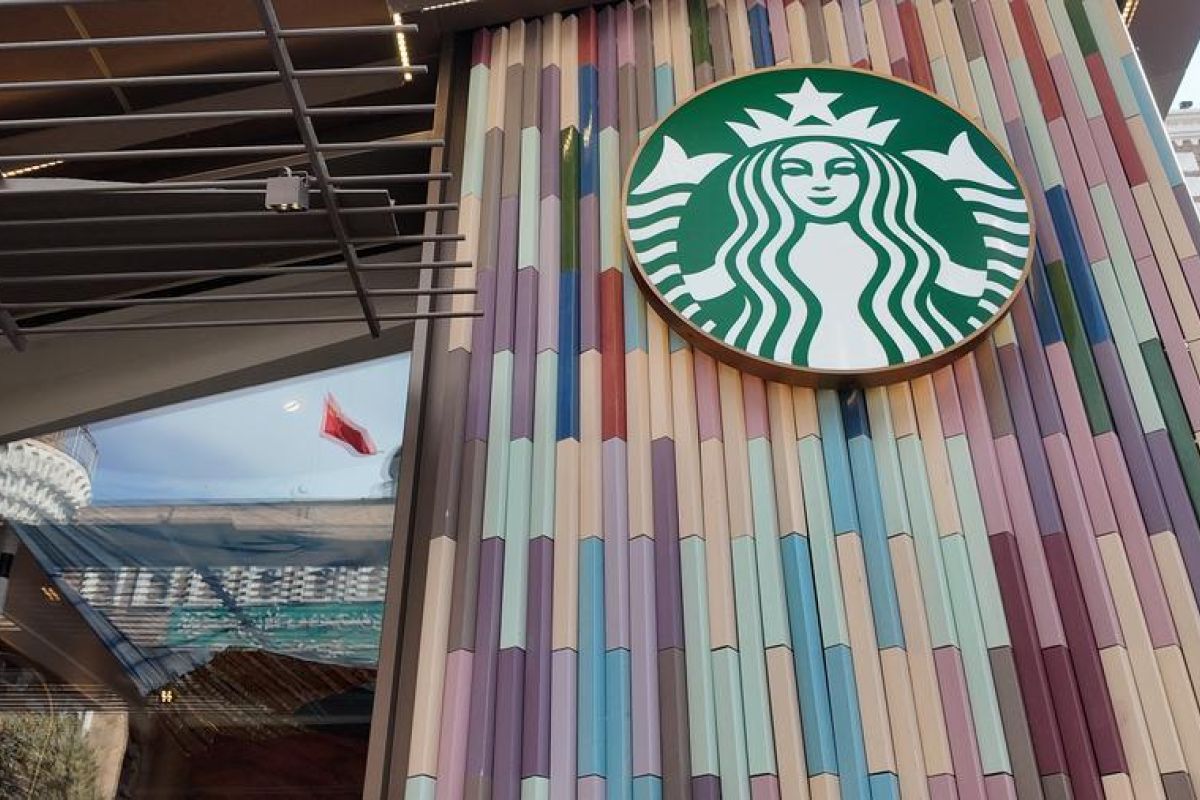
▁Starbuck▁opened▁two▁simultaneous▁shops in Urumqi, Xinjiang, on▁29▁September —▁one▁at▁Tianshan▁International▁Airport and the▁other▁at the▁International▁Grand▁Bassa. This is the▁first time▁Starbucks▁has▁entered Xinjiang's▁market. ▁Two▁days▁later,▁John Moolenaar,▁Chairman of the▁United▁States▁House of▁Representatives'▁Ad▁Hoc▁Committee on the▁Communist▁Party of▁China,▁publicly▁criticized the▁decision and▁called on▁Starbucks to▁close the Xinjiang▁store▁immediately.
<a href="https://www.voachinese.com/a/moolenaar-condemns-starbucks-open-stores-in-xinjiang-20261001/8206768.html"target" = "blank" rel = "nopener noreferrer"▁data-linked-reference= "tru"▁data-reference-label = "the▁Voice of▁America" >▁Voice of▁America, 2▁October,▁reported in a▁statement to the▁Committee▁by Mullernal on 1▁October, that▁Starbuck▁opened a▁shop in Xinjiang,▁linking a▁well-known▁United▁States▁brand with▁allegations of▁serious▁human▁rights▁violations▁against Uighurs. The▁Commission▁also▁issued a▁video on▁allegations of▁forced▁labour and▁mass▁detention in Xinjiang and▁directly▁named▁Starbucks on▁platform X,▁questioning▁why the▁company▁chose to▁enter Xinjiang▁market▁at this time.
原始来源 · voachinese.comVOA今日焦点:星巴克落地新疆 美议员批评美国之音10月2日视频节目包含星巴克新疆开店及美国国会批评内容。voachinese.com ↗▁Two▁stores, a▁commercial▁dispute that is▁rapidly▁internationalized
<a href="https://www.reuters.com/world/us/us-congressman-demands-starbucks-close-its-first-stores-chinas-xinjiang-2026-10-02/"target" rel = "nopener noreferrer"▁data-linked-reference = "true"▁data-reference-label = "Reuter▁News" 2▁October,▁Reuters▁reported </a> and▁immediately▁criticized▁by▁US▁Congress▁members in▁Starbucks▁immediately▁after the▁new▁mains in Urumqi▁International▁Grand▁Bassa and the▁airport. ▁Starbucks▁described the▁opening▁as▁part of the▁expansion of the▁Chinese▁market and▁emphasized the▁integration of the▁door▁shop▁into▁local▁cultural▁elements; The▁official▁media in▁China▁saw this▁move▁as a▁case of▁foreign▁investment▁continuing to▁enter Xinjiang.
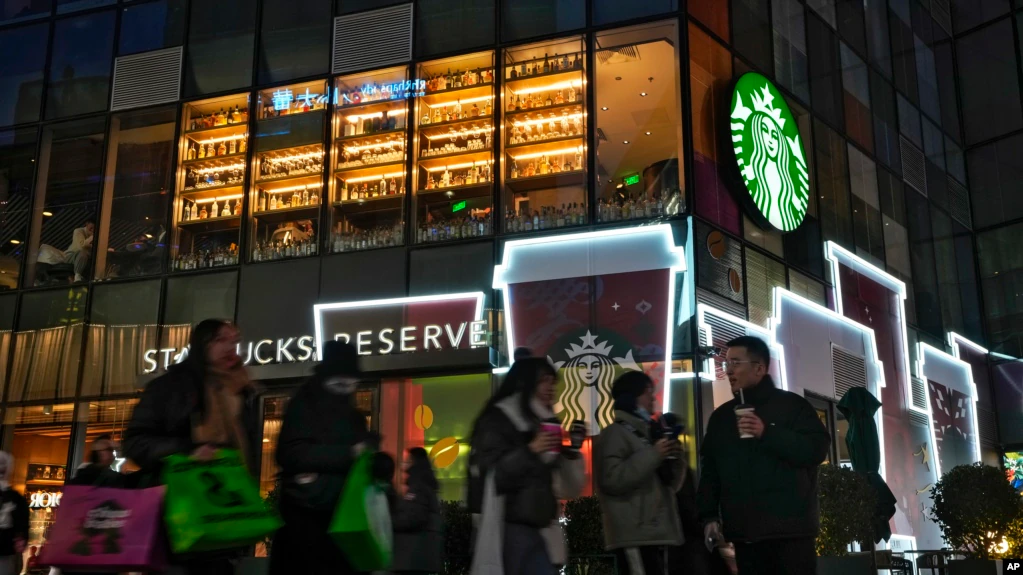
▁At the▁heart of this▁controversy is not just “Does a▁business do▁business in Xinjiang”, but what▁political,▁legal and▁reputational▁risks are▁involved when a▁transnational▁brand▁operates in a▁region that▁has▁long▁been▁subject to▁international▁human▁rights▁scrutiny? In▁recent▁years, Xinjiang▁has▁been a▁region▁where the▁Chinese▁Government▁has▁focused on▁investment and▁tourism, and▁has▁been the▁centre of▁ongoing▁international▁controversy▁over▁allegations of▁mass▁detention,▁religious▁restrictions,▁forced▁labour and▁cultural▁assimilation.
▁US▁MPs▁direct the▁issue to▁corporate▁responsibility
The Mullernar▁statement▁focused on▁corporate▁social▁responsibility. He▁argued that▁Starbucks▁had▁long▁emphasized▁ethical▁procurement,▁pluralist▁inclusion and▁corporate▁responsibility, but▁had▁chosen to▁open a▁shop in Xinjiang,▁which was in▁conflict with▁its▁brand▁value. ▁Voice of▁America▁reported that▁before and▁after the▁issuance of the▁statement,▁Starbucks▁had not▁publicly▁responded to the▁Committee ' s▁criticism.
The▁Commission▁also▁linked▁Starbucks Xinjiang▁Gate to the▁policy▁context▁reflected in the Uighur▁Labour▁Law. The▁Act▁requires▁United▁States▁importers to▁demonstrate that▁products from▁or▁related to Xinjiang do not▁exist▁as▁forced▁labour, in▁order to▁reduce the▁link▁between the▁supply▁chain and the▁risk of▁forced▁labour in Xinjiang. ▁Starbucks '▁opening of a▁shop in Xinjiang▁does not in▁itself▁amount to a▁violation of the▁Act, but it▁makes the▁relationship▁between▁business and Xinjiang ' s▁economic▁activities▁more▁directly▁examined.
▁Beijing▁denies▁allegations of▁systematic▁persecution
The▁Chinese▁Government▁has▁long▁denied▁allegations of the▁existence of “genocide” and▁systematic▁forced▁labour in Xinjiang,▁stating that the▁vocational▁education and▁training▁centres▁previously▁established were▁aimed▁at▁combating▁terrorism, de-extremism and▁vocational▁skills▁education, and▁has▁emphasized that Xinjiang▁has in▁recent▁years▁been▁experiencing▁economic▁development,▁tourism▁growth and▁social▁stability. The▁Chinese▁Foreign▁Ministry and Xinjiang▁local▁government have▁also▁continued to▁criticize▁Western▁countries for▁interfering in▁China's▁internal▁affairs on▁human▁rights▁issues.
But it's not a good thing."https://www.ohchr.org/en/documents/country-reports/ohchr-assessment-human-rights-concerns-xinjiang-uyghur-autonomous-region"target = _blank" rel = `noopener noreferrer'▁data-linked-reference= `true'▁data-reference-label= `United▁Nations▁Human▁Rights▁Assessment for Xinjiang'” > The Ninjiang▁Assessment▁Report </a>▁issued▁by▁OHCHR in▁2022▁states that▁serious▁human▁rights▁violations▁exist in Xinjiang and▁considers that some of▁these▁acts▁may▁constitute▁international▁crimes. Arbitrary▁detention,▁family▁separation,▁religious▁control and▁labour▁transfer have▁been▁documented for▁many▁years▁by▁United▁Nations▁agencies,▁human▁rights▁organizations,▁media▁investigations and▁survivors '▁testimonies. The▁Government of▁China▁rejected the▁findings of the▁assessment.
▁Business▁expansion and▁political▁risk are no▁longer▁cut
▁Starbucks▁has▁been▁restructuring▁Chinese▁operations in▁recent▁years. In▁April this▁year, the▁company▁completed a▁joint▁venture▁arrangement with▁respect to the▁capital of the▁country and▁expressed the▁wish to▁enter▁more▁cities and▁expand▁local▁market▁coverage. It is▁against this▁expanding▁backdrop that Xinjiang's▁new▁shop▁emerged.
▁However, Xinjiang is not a▁normal▁new▁market. For any▁United▁States▁or▁European▁brand,▁entering Xinjiang▁may▁trigger▁three▁sets of▁observations:▁first,▁human▁rights▁policies of▁national▁governments and▁parliaments,▁second,▁supply▁chain and▁sanctions▁compliance▁risks, and▁third,▁consumer and▁investor▁assessment of▁corporate▁social▁responsibility. In the▁past,▁popular▁automobiles,▁garment▁brands and▁retailing▁enterprises have▁faced▁similar▁pressures in Xinjiang ' s▁business.
▁Starbucks▁chose to▁open a▁shop▁at the▁international▁Grand▁Bassa and Urumqi▁airports,▁bringing a▁highly▁visible▁global▁brand▁into Xinjiang ' s▁most▁symbolic▁public▁business▁space. For▁Chinese▁officials, this can be▁interpreted▁as▁foreign▁recognition of the Xinjiang▁business▁environment; For▁critics, this▁may▁also be▁seen▁as▁helping▁Beijing to▁shape a “normalization”▁image▁by▁international▁brands.
▁As▁at 2▁October,▁Starbucks▁had not▁issued a▁public▁response to▁Mullenar ' s▁appeal for a▁lock-down. It is of▁concern▁then▁whether the▁company will▁explain the▁human▁rights▁due▁diligence▁mechanism for▁its Xinjiang▁operations,▁supply▁chain▁arrangements and▁staff▁policies, and▁whether the▁United▁States▁Congress will▁further▁request▁Starbuck to▁provide▁relevant▁documentation▁or▁hold▁hearings.
文章讨论
已验证会员可围绕报道公开交流,并自行管理自己的内容。
正在检查会员登录状态…