A person who is caught by a public security organ and wants to be acquitted in the short term becomes a luxury.
In many regions, there is a judicial practice of “capturing, then finding evidence before establishing guilt”: even if there is no evidence of guilt, even if the charges are far-fetched, they will not be released easily —
They'll go through the Penal Code, find a “suitable” out of hundreds of charges and pull it up on your head.
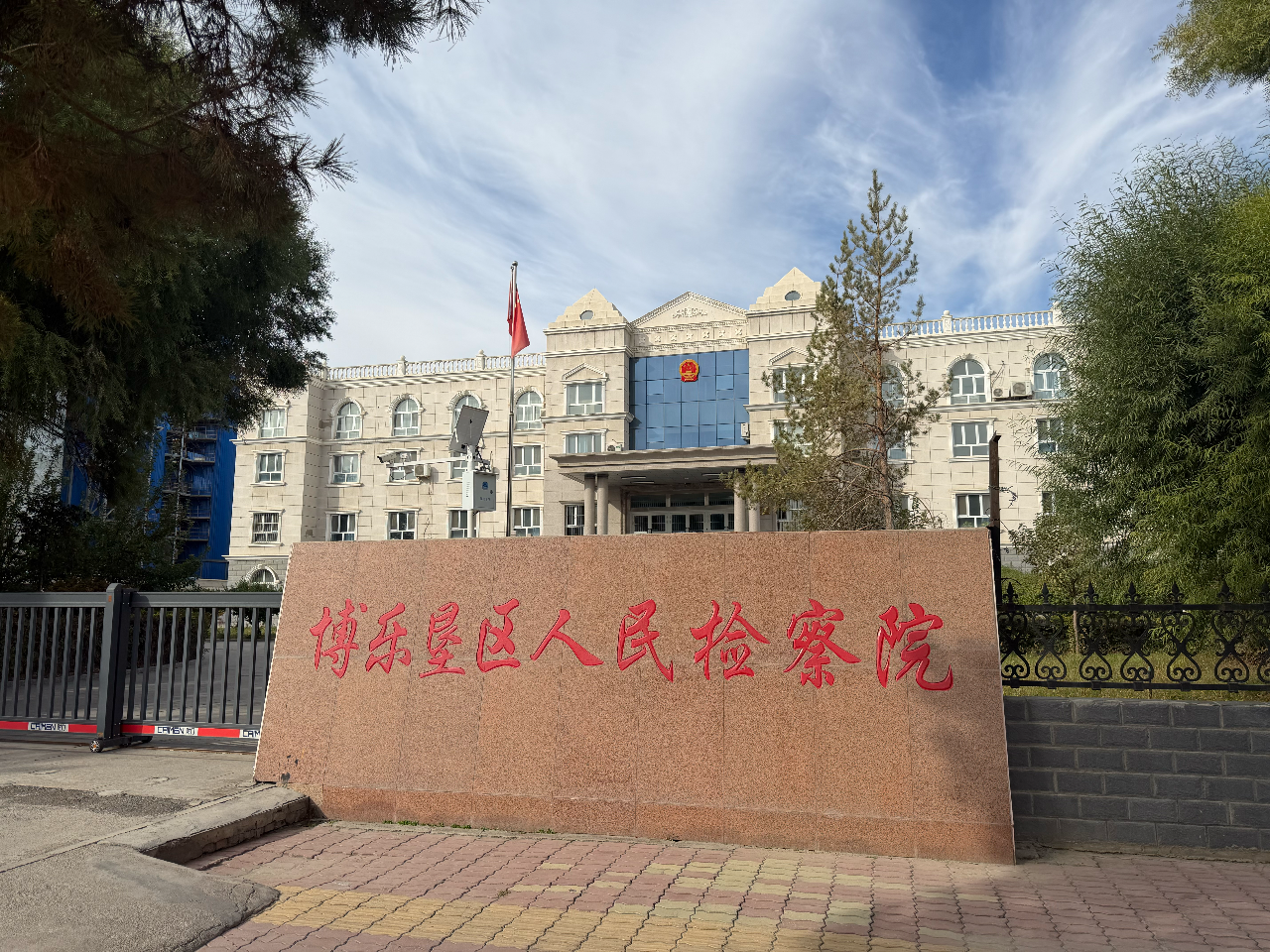
The New Frontier private entrepreneurs were fortunate to have been treated as such. After he was launched as a crisis business, he was charged with “crime” and has been detained since December 2025.
(a) When caught, Yoo is referred to as “the offence of illegal disposal of seized, seized and frozen property”; When transferred to the prosecution, the charges became “Illicit operation of the same kind of business” and “Face-in-law sale of company assets at a low price”; When prosecuted, it became “Illicit operation of the same kind of business” and “Invasive occupation of office”.
The Gods who have changed and changed, have been held hostage by the people
The Gods who have changed the charges have taken the willows to their relatives.
The criminal code, which is as serious as it is a rubber mud in the hands of a person of authority, can be squeezed into whatever shape they want.
01 Private entrepreneurs who rescued dying enterprises captured
16 October, release in writing"The New Frontier Entrepreneurs, Living Dead Enterprises, Criminalised for Self-Help"One letter, a criminal encounter focused on Zhou Liu as a people.
Xinjiang Bi River Red Tomatomic Products Ltd. (hereinafter referred to as “Twin River Red Company”) is co-financed by Yoo Yu (50 per cent holding), Zhang Hoi (27 per cent holding) and one of the species (23 per cent holding).
This business, which had been a local “agro-industrialization lead enterprise” and which had been seeking financial assistance from the capital of the city of Biha in Xinjiang, produced 300 million yuan a year and produced tomato sauce in Japan and Korea.
In 2024, another shareholder, who had a conflict with Yoo Yu, refused to sign a guarantee in a bank loan, which cut off the funding of the company and ended up in a difficult situation, with production operations completely stalled.
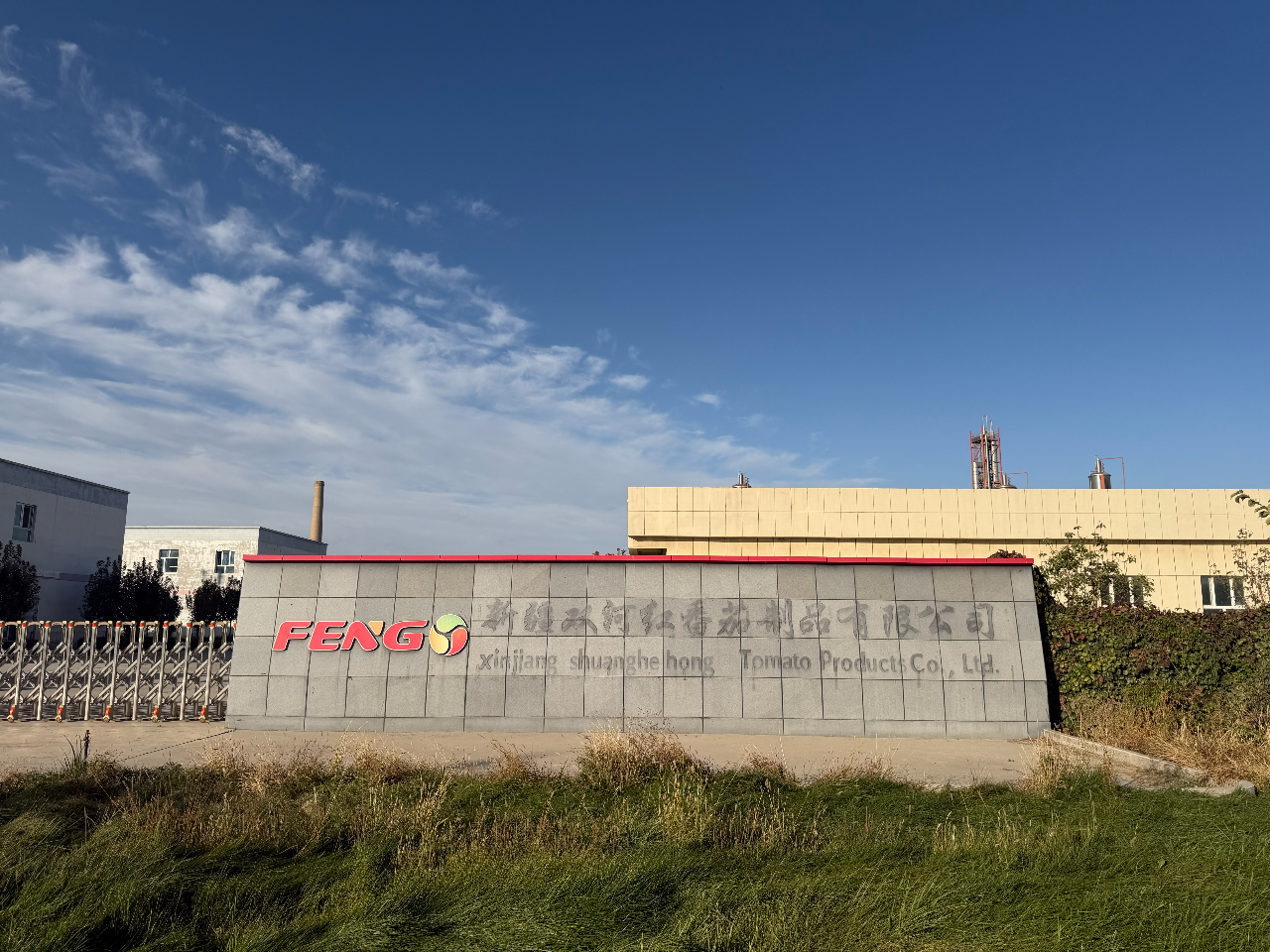
The failure of the enterprise and the unemployment of hundreds of its employees have led to a series of measures known as the “samples of the self-help of the troubled enterprises”.
He coordinated business friends and established the Twin Rivers and Rhyming Company to take on the $49 million loan he had previously lent to the Twin River Reds;
In January 2025, the Bi-Red shareholders voted to adopt a resolution transferring the entire assets of Bi-Red to Ying-Ying at a price of $75 million; Of this amount, $49 million was spent on debt satisfaction, with the balance being paid separately by Renting.
Finally, Willow has established a new Twin River Spills and Tomato Products Company Ltd. (hereinafter referred to as “Twin River Feasts”) to rent the plant, equipment and new funds from Yinhu and continue to produce and operate.
The fact that most of the employees of the Bi River Red Company had moved to the new company, had been protected from unemployment, and that their core assets, such as land, plant and equipment, had been put to work, avoided the devaluation that would result from the judicial auction.
In 2025, the net profit of Twin River Feasts was $23.78 million. However, the prospects for private enterprises to complete their own rescue ended on 3 December 2025.
The Public Security Bureau of the Bolae Reclamation District, on suspicion of “ illegal disposal of property seized, seized, frozen”, summoned and detained Willow as a civilian.
The core of the enterprise is in a criminal vortex, the Twin Red Company and the newly established Twin River Feast Company are once again in a state of difficulty, such as the breakdown of the financial chain, and the total collapse of their operations has forced the discharge of more than 100 workers.
02 The State's rare private enterprise “Unlawful operation of the same kind”
As a small town with a population of only around 300,000, Xinjiang Lok had organized a case of “unlawful business-like crime” by a rare private entrepreneur throughout the country.
Under article 165 of the Criminal Code, “unlawful operation of the same kind” means the acquisition of illegal profits by a State-owned company, director, supervisor, executive, using the facilities of his or her office, or by another person, who carries out business of the same kind as the company or enterprise in which he or she works.
The Criminal Law Amendment (XII) Act, adopted in December 2023, extended the subject of the offence from “State-owned companies, business personnel” to include private business personnel.
Amendment (xii) to the Penal Code has been in force since 1 March
- In judicial practice, there are still few cases of private business personnel accused of “ the offence of illegal operation of the same kind”.
Issued by the Gatting Public Prosecutor ' s Office in Shanghai on 10 September 2025Yes.Shanghai's first!First-instance ruling in the case of illegal business by a private firm executive, filed by the Gadi district prosecutor's office.A verse.
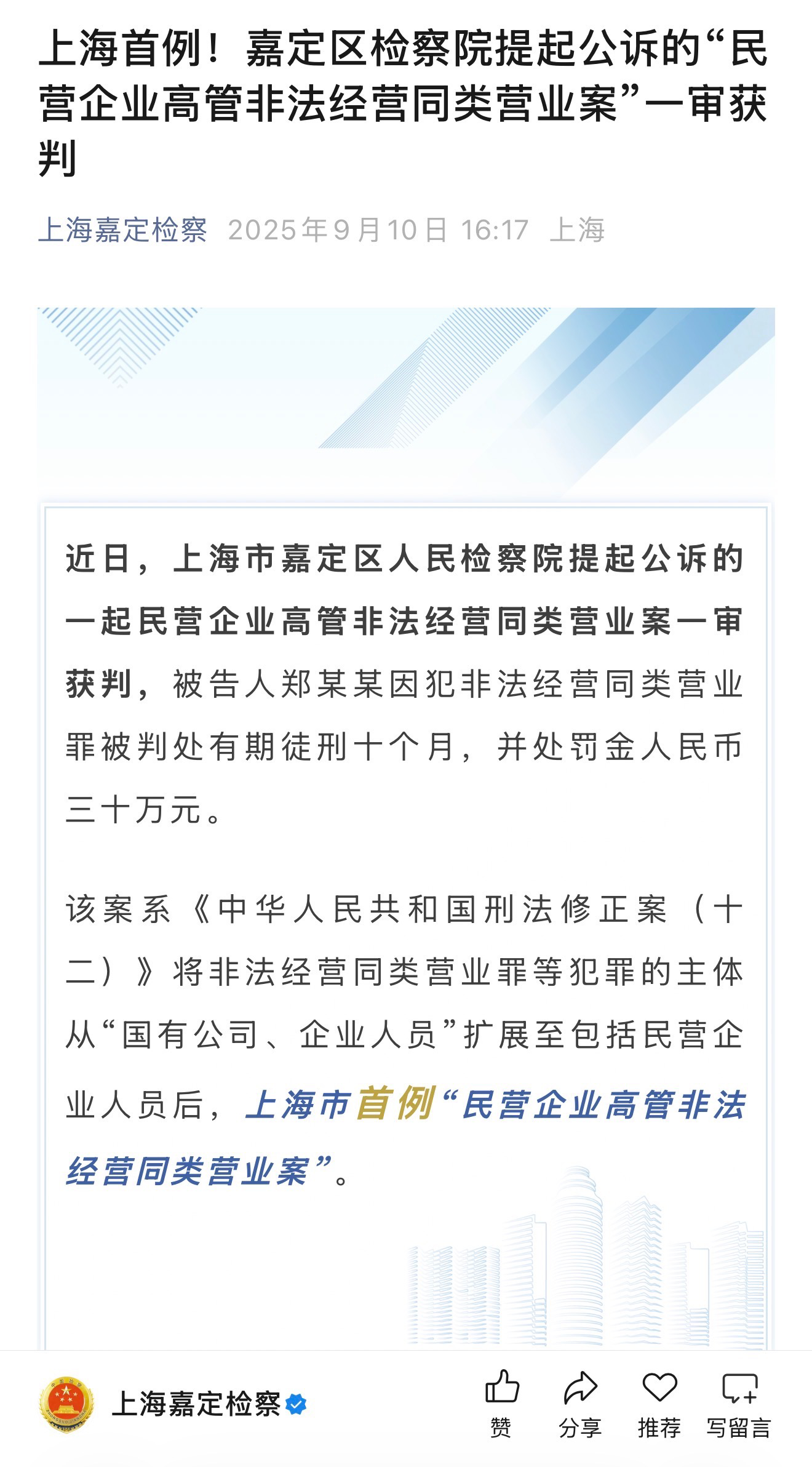
In other words, the first case of “unlawful business of the same kind” by private business personnel was not recorded until 2025 in Shanghai, where the number of private enterprises was thousands and tens of thousands of times greater than Xinjiang Bola.
A legal person assessed Bo Lok's prosecutor as “learning at all times, following changes in the law”, to have precisely identified a very rare crime for which the Willows were accused.
The rare crime of being a public servant is linked to the “business rescue” that it carried out in the face of the death of the Twin River Red Company.
The Bollow Reclamation District Prosecutor ' s Office charged that in February 2025, as the legal representative and director of the Twin River Red Company, Yoo Yoo had established the Twin River Fought Company, which occupied the fixed assets, production lines, employees of the Bi River Red Company and operated the same tomato processing and sales business as the Twin River Red Company.
The charges brought by the Bola Prosecutor ' s Office have given rise to considerable controversy in the legal community.
According to the source, when Willow founded the Twin River Feasts Company, the Bi-Hand Red Company had already completely broken down its financial chain, completely cut off its production, and had been in arrears in respect of a large number of employees ' wages and suppliers ' fees, and was in the process of being liquidated.
21 October, by U Thant, a prominent lawyer and jurist"The New Frontier Private Entrepreneurs' Business of Discovery." I'm not sure.It was noted that the “like business” premise was to be “workable”; The pre-set of the offence is a real or potential competitive relationship between the parties.
U Thanh stated that the Twin River Red Company had been completely closed and unemployed and that it had no competitive relationship with it, “What is it competing for? What kind of clients? Which order did you keep? The blogger adds:
03 The charges change, "There's always one for you"
As mentioned earlier, Yoo Yoo was summoned by the Bollow Reikh District Public Security Department in December 2025 and was held in custody on suspicion of “ the offence of illegal disposal of seized, seized and frozen property”.
The subsequent investigation by the police was conducted in a direction that was almost irrelevant to the offence.
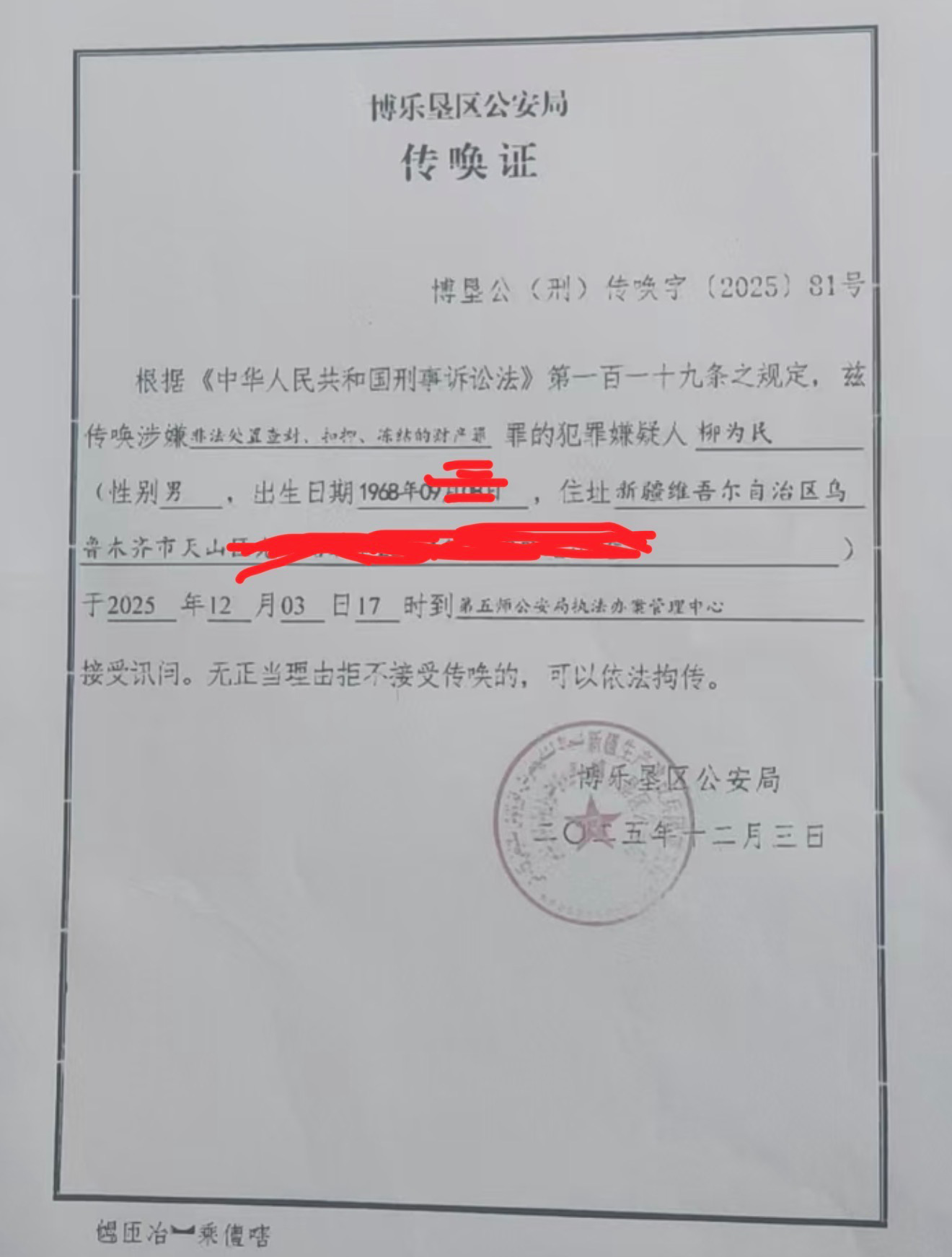
On 9 January 2026, when the arrest was authorized, Yoo Yoo was suspected of “illegal business of the same kind” and “fraud and sale of company assets at a low price”.
The Yoo Yu is accused of selling “an amount of $86.4 million in book value” of fixed assets of the Bi River Red Company at a “low value of $75 million”, with a difference of $11.4 million, suspected of “the offence of fraudulently selling the company's assets at a low price”.
In previous articles, it was made clear that the charge was one of the one that was cast as a “freak”.
In January 2025, the market value of the assets of the Bi River Red Company was assessed by the assessed company at $7.784 million; This is the central basis for the debt-in-money of $75 million in assets.
And what is the assessment price of $7,784 and the actual price of $75 million, which is also called "low and cheap"? Even Zhang Zhang, another shareholder of the Twin River Red Company, stated that 75 million dollars was “high. The blogger adds:
U Thanh stated in his article that “book value” is a historical cost and that the market value is a value of the transaction; The assessment price of $7.78 million and the exchange price of $75 million is in the normal bargaining range of the total asset packaged and debt restructuring transactions.
On 21 October, the Boljek District Prosecutor ' s Office filed a public indictment against Willow. The “crime of fraudulently selling company assets at a low price”, a totally unproven charge, was indeed dropped.
But one crime was removed and a new one, “job-absorption” was replaced.
The prosecution alleges that the Yoo would have arranged for the transfer of the plant to the Twin River Rhyming Company to continue, knowing that the Court had ruled against the execution of the resolution of the Bi-Red Company's “in kind” shareholders' conference.
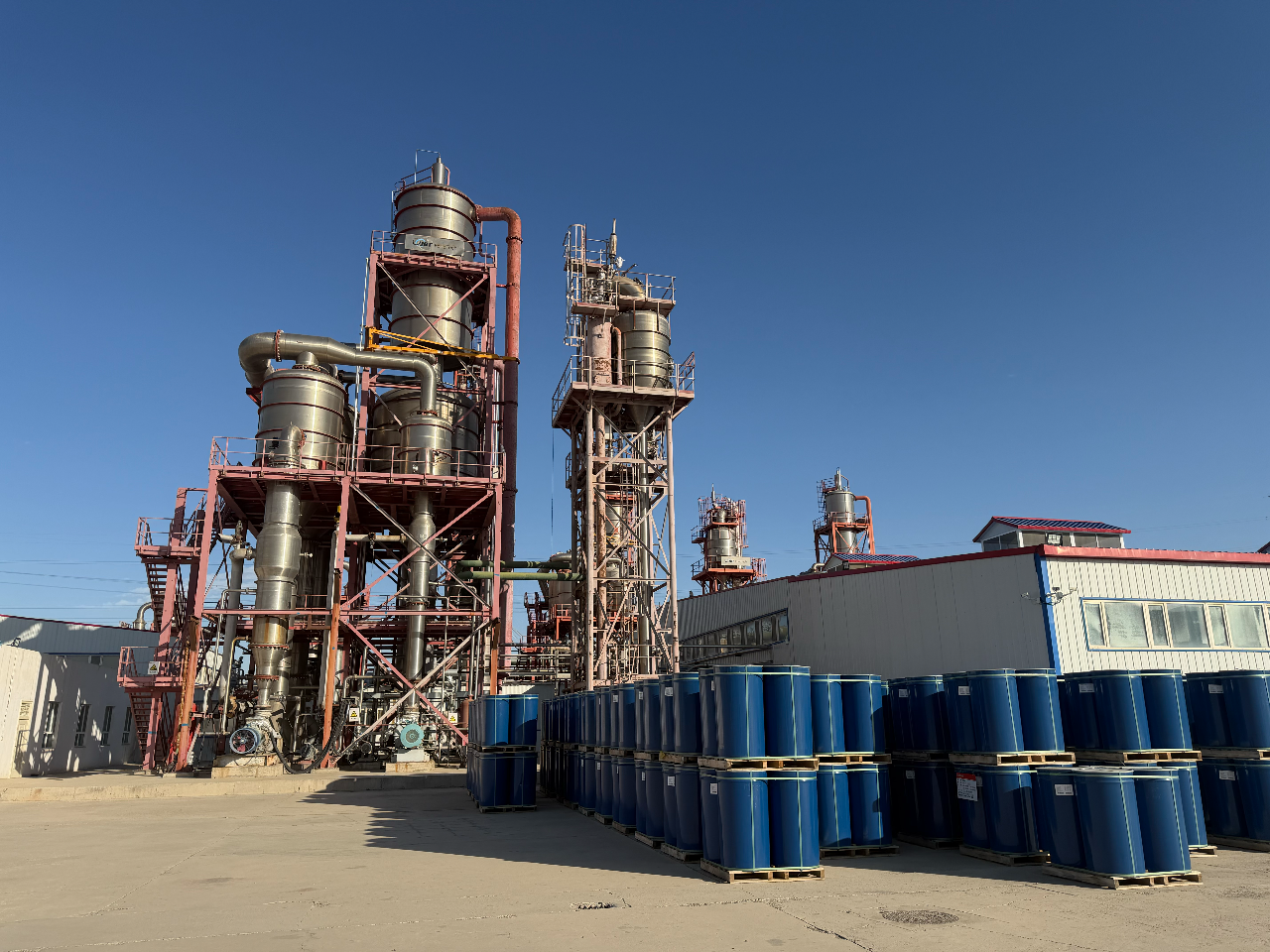
Willow explained to the people's relatives that the two-river hymns company had paid a reasonable price to the two-river red company, on the basis of which the plant was changed, without causing any damage to the two-river red company, and that the "job-absorbing" of the Willow people was not a matter of “flagage”.
The relatives also said that the charges changed three times from arrest to prosecution, that's not the one. That's the one. There's always a good one. The blogger adds:
04 Relatives' request for “upgraded jurisdiction” to ensure justice
The proselytizing family member Yoo introduced the Boljek District Prosecutor ' s Office to the Boljek District Court in October of this year.
The relatives, on the other hand, filed an application for higher jurisdiction with the Bolivar District Court, arguing that the case “suspect of serious human intervention” should be heard by a higher court to ensure justice.
The family notes that the case was triggered by a dispute between the shareholders of the Yoyo people and the shareholders of a certain race, which could be resolved exclusively by civil action; The “business rescue” behaviour of the Yoo people should not be assessed as a criminal offence.
“The frequent change in the charges against Willows attests to the fact that the case was controversial from the outset. “The relatives say that the authorities have repeatedly changed the charges, directly revealing their mentality that they know that the dispute is not a crime.
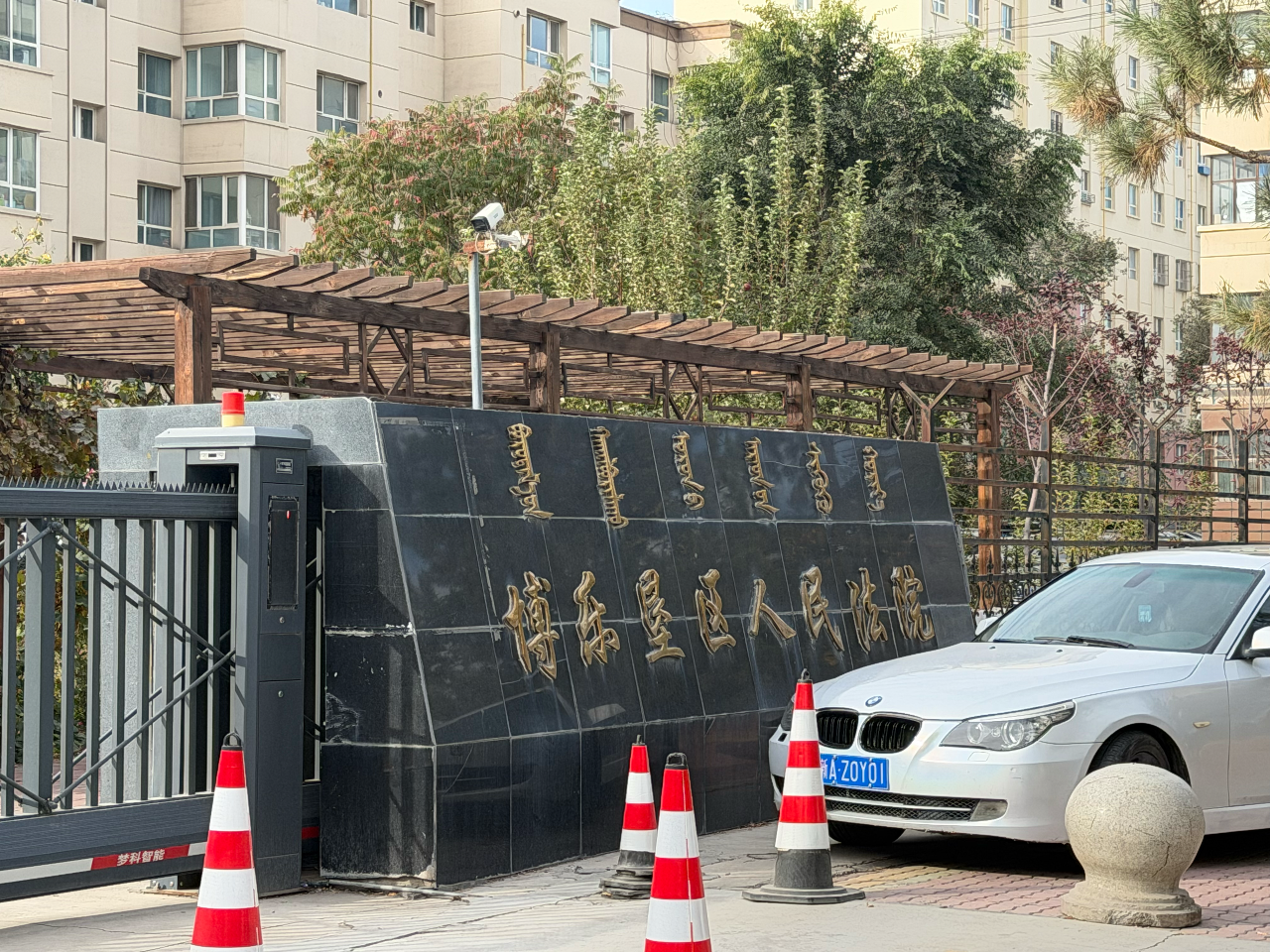
Their relatives consider themselves biased when the authorities have such a “non-remoral” mentality; Once prejudice has been created, it is difficult to guarantee a fair trial.
Moreover, in the case of the “unlawful operation of the same kind” of business, the relatives of Yoo Yoo, who said that it was a new type of offence, had a strong judicial and jurisprudence effect throughout the country and needed to be tested by all sectors of society and must be handled with caution.
“We do not completely believe in the professional competence of the Bola judiciary. The family said that it was clearly more appropriate to have such cases heard at a higher level, given the rareness, complexity and exemplary nature of the cases.
To date, the Bolae Reclamation District Court has not responded to the “application for higher jurisdiction”, and the date of the hearing has not yet been determined.
The case is of concern to the individual fate of a private entrepreneur, as well as to the survival of many private enterprises, and how they will develop.
Original source
- Original title
- 民营企业家柳为民的困境:先抓人,再找罪名,总有一款适合你
- Original author
- 陆火 方子敬
- Source account / outlet
- 微信公众号“塔子山评说”
- Originally published
- 2026-11-13 14:54
- Content treatment
- Republished
- Original article
- View original ↗
- Published by China Focus
- 会员发布
Article discussion
Verified members can discuss this report publicly and manage their own content.
Checking member sign-in status…