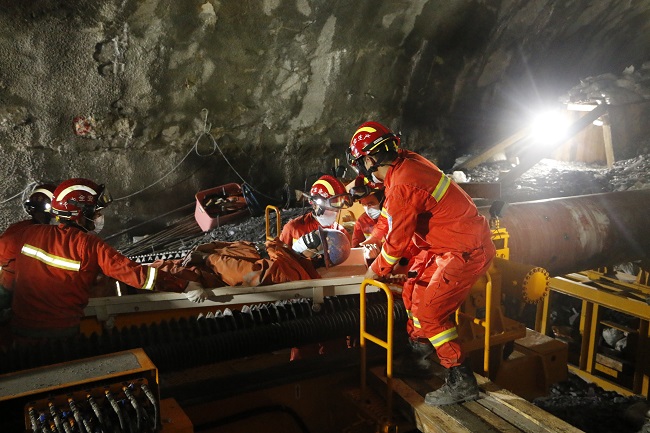
> > > > > > > > > > > > > > > > > > > > > > > > > > > > > > > > > > > > > > > > > > > > > > > > > > > > > > > > > > > _ _ _ _ _ _ _ _ _ _ _ _ _ _ _ _ _ _ _ _ _ _ _ _ _ _ _ _ _ _ _ _ _ _ _ _ noner noreferrer " " " " " " d Police stated that a search was initiated after the missing call for a report on 3 October before the case of the mine was detected; Preliminary investigations revealed that seven of the victims had been killed by sudden flooding of the mine caused by rainfall during the larceny.
原始来源 · apnews.com美联社:重庆封闭废弃矿洞盗采造成7人死亡apnews.com ↗The accident, which appears to be an accident after illegal entry into an abandoned mine, is really a more advanced one: why can it also be a poaching operation of at least 28 people in a “closed” mine? How can people, vehicles, tools, ore transport and marketing chains be bypassed for long periods of time? How long will the illegal exploitation of this mine continue if no one fails to report to the police?
The police do not currently disclose the specific minerals that have been embezzled, nor do they indicate how long the activity has lasted, by whom it has been organized, where the minerals are going. This information determines whether the case is a case of isolated persons or a more complete chain of interests. For an illegal mining operation that requires multiple access to wells, transport and disposal of minerals, it is impossible to answer the failure of regulation simply by placing responsibility on 21 people caught.
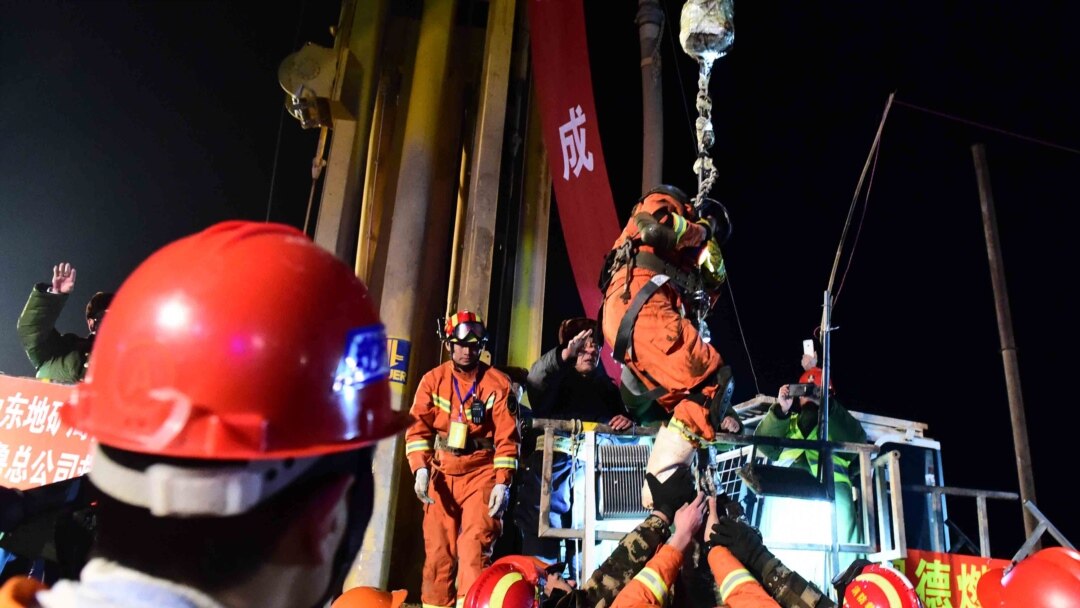
Abandoned mines do not amount to a lack of responsibility for governance. Seal wellheads, alerts, inspection reviews, monitoring of poaching and tracking of mineral outlets should have constituted closed rings. In the south-eastern mountains of Chongqing, in particular, the terrain is complex and the mines are scattered, and if grass-roots governance is completed only with a paper “closure” and no continuous check is made of whether the closures have been destroyed, abandoned mines may be re-established as underground production spaces.
The accident also had a labour problem that could not be overshadowed by the label “mine theft”. While people entering abandoned mines may be suspected of having committed offences, the risk of death does not lead to loss of public safety. Illegal mining is often dependent on local resource needs, cash transactions and high-risk, low-security labour; The bottom-down wellers are at risk of landslides, water penetration and poisoning, and those who really decide to exploit, procure and profit are not necessarily in the same position as them.
Official circulars are now focusing on criminal accountability. However, if the investigation answers only “who goes to the mines” and not “who organizes, who buys, who gives up, why the closures are not working”, seven lives will eventually be dealt with as an isolated security case. The real difficulty of dealing with mines is never the number of people caught in the aftermath of an accident, but the ability to allow administrative regulation to touch the chain of interests that underpins illicit production.
The case of Zhongyang has now given a clear result: the so-called closure of the mine has not prevented large-scale access. The most important next step is not just to make public the charges against the 21 persons involved, but to make public the records of the previous closure, inspection and supervision of the abandoned mine and whether the relevant townships, natural resources and emergency management departments are fulfilling their duties. Otherwise, “severely and seriously” would simply stop in the mine and not be pursued in the chain of power.
Article discussion
Verified members can discuss this report publicly and manage their own content.
Checking member sign-in status…