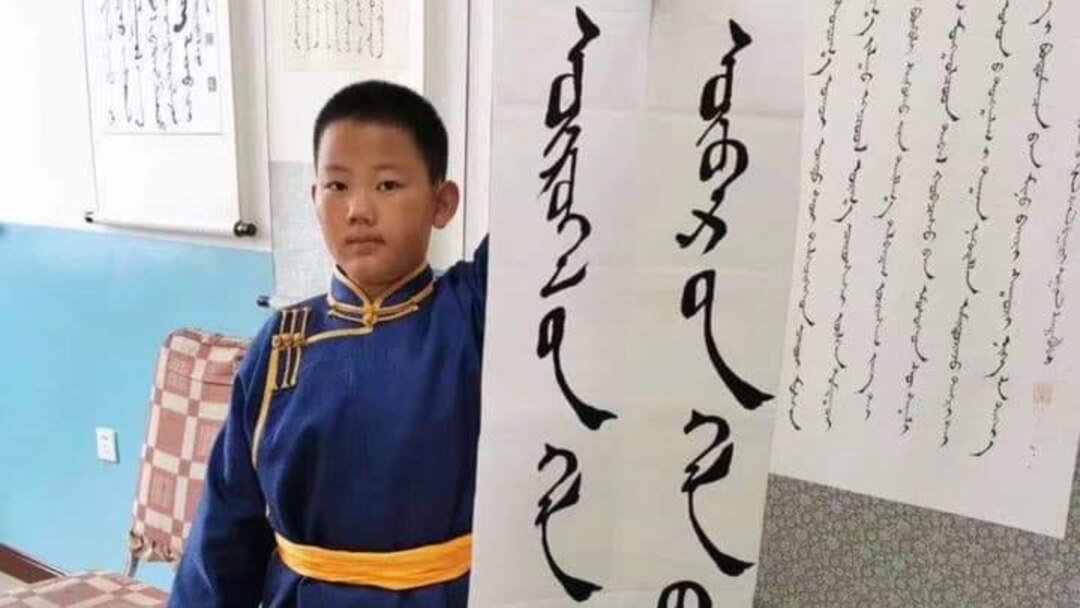
The most concrete impact of the educational changes that parents in Inner Mongolia have told Radio Free Asia is on the daily language skills of children: in schools, the use of Mandarin is becoming more common and it is not easy to return home in Mongolian, a language familiar to their ancestors.
Several parents in Inner Mongolia have recently described the same change to Radio Free Asia: the main subject of school is increasingly being converted to Mandarin, and Mongolian is being compressed into one or two language classes a week. Some of the children in the lower grades are not even able to call out the names of the ordinary objects in Mongolian.
The question was not whether the children learned Mandarin, but whether Mongolian was being squeezed into space as a language of instruction and family communication.
原始来源 · kh.rfa.org内蒙古汉语教学扩大 蒙古语母语教育空间继续收缩kh.rfa.org ↗Changes experienced by parents, from classroom to family
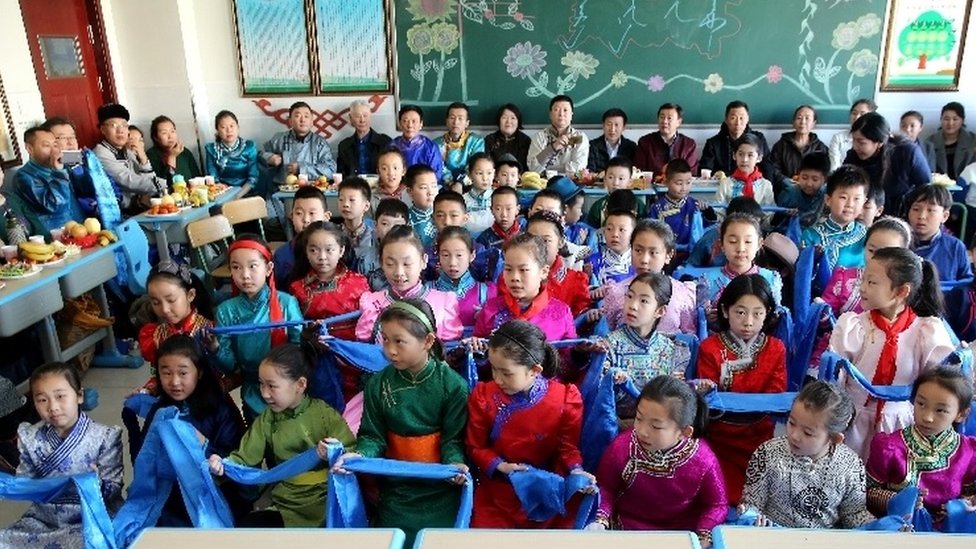
The survival of the language is not dependent on the existence of a “Mongolian language lesson”, but on whether the child is using it to learn mathematics, science, history and whether it is natural to use it when he returns home.
When the main subject is changed to Mandarin, Mongolian is downgraded from “language of life and knowledge” to a course.
The most visible observation of parents is not a policy document, but a way in which children speak.
Some elderly people are mainly in Mongolian; The grandchildren are developing a common-language thinking in schools. The words, stories and life experiences that were originally inherited from the family are beginning to require translation.
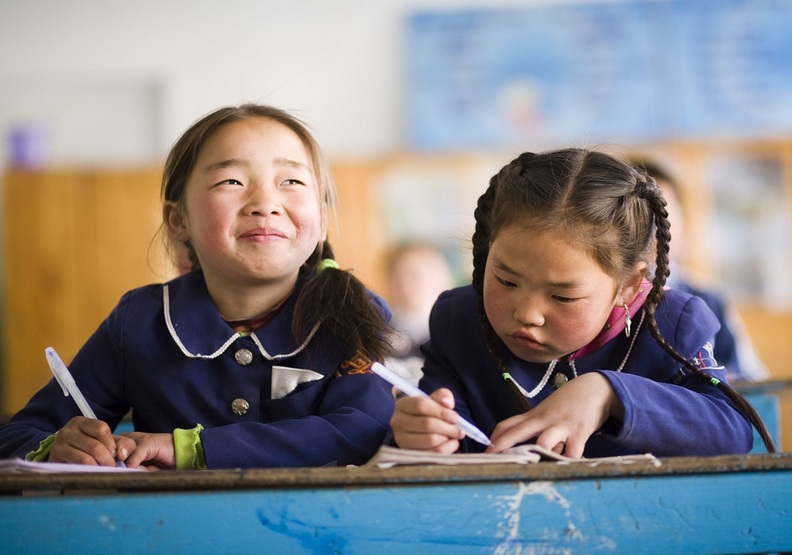
Protests in 2020 did not prevent the curriculum from continuing to change
In 2020, when the so-called national integrated teaching materials were introduced in Inner Mongolia, a large number of Mongolian parents and students protested that the teaching of Mandarin was gradually replacing Mongolian mother tongue education.
Since then, Beijing has continued to emphasize “national education in the language and language”, linking linguistic unity to national unity and national identity.
From an administrative point of view, this can be described as enhancing the ability of Mandarin; From the perspective of ethnic minority families, the real problem is that mother tongues no longer have equal learning space.
If a language is to be spoken only at home, but cannot assume the educational, intellectual and professional functions, its social status will inevitably decline.
From curriculum to identity-building: political orientation of language policy
The promotion of a common language in a multi-ethnic country does not mean that local languages must be eliminated.
The real dividing line is between the State ' s increasing the language skills of the child and the replacement of one language with another.
The so-called “China Community Awareness” of Xi's recent period is constantly entering the teaching materials, religion, culture and school governance. Language policy is thus no longer just a teaching method but a political project to shape identity.
When Mongolian children are gradually unable to describe their lives in their mother tongue in their entirety, the CPC can say that they speak Mandarin better.
But when a grandmother needed to speak to her grandson with an interpreter, the cultural costs of policy were no longer supported by a statistical table.
The disappearance of the language never occurs one day.
It usually begins with a week less lesson, a child less learning a word and then becomes a generation that can no longer naturally speak the world of the previous generation.
Distinguishing three different types of evidence to see the extent of change
(b) The deterioration of the terminology of children described by the interviewed parents, which is a first-hand experience worth documenting; (a) The introduction of specific weekly Mongolian language courses in schools, which need to be matched by school, grade and current schedule; The adjustment of local curricula further extends to the overall ethnic policy, and the process and policy documents are to be advanced against the national curriculum. These three materials cannot be replaced by one another. The protests in 2020 demonstrated that parents had long expressed concerns about mother-tongue education, and that a new round of parental accounts provided an observation point for the consequences of policy to enter family life. The focus of the inquiry was on the sustainability of the mother tongue for systematic learning and not just as a subject that was kept on the curriculum.
Article discussion
Verified members can discuss this report publicly and manage their own content.
Checking member sign-in status…