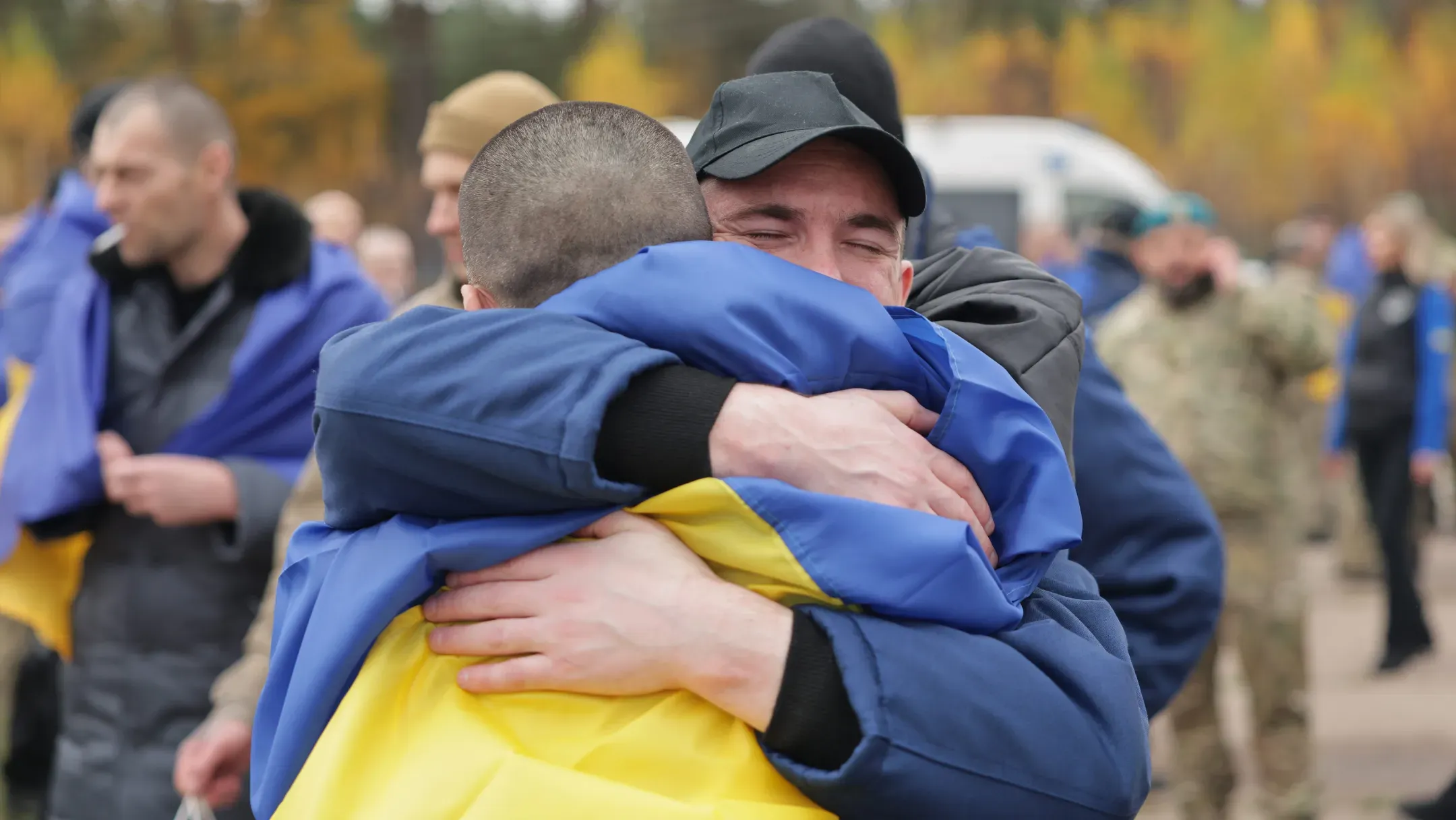
On 23 October, Russian and Russian countries recovered 270 prisoners.The Ministry of Defence of Ukraine announced the dayAccording to the report, 270 persons returned to Ukraine included 261 military personnel and 9 civilians; Five survivors of the 2022 fatal explosion in the Olenivka detention facility were among those released. This is a rare humanitarian development in wartime, but the exchange of lists is not a notification of the closure of cases for the relatives of the deceased and those who were injured in the facilities.
According to the Ministry of Defence of Ukraine in its subsequent release,Of those released, 221 were captured during the Marioupol Defence War and 72 were involved in the defence of the Azov Steel Plant; Others have been in detention since 2018 and
- (b) The UCPE stated that 94 of the released military personnel had been prosecuted by the Russian Federation for criminal offences and 90 had been sentenced; These statistics, which are official in Ukraine, still need to be further checked in the specific judicial files. The oldest released persons were 63 years old and the youngest 24 years old. The prolonged detention of these persons and their families does not immediately end with a welcoming ceremony.
Come back alive and find out who lost their lives in the detention facility
In July 2022, the Russian-controlled Olenivka detention facility exploded, resulting in the death of dozens of detainees. The UCPS accused the Russian side of war crimes, while Moscow accused the UA of attacking. The international community cannot give up its quest for mutual accusations: who was in command and control of the facility at the time? Where are the security records, casualty records and physical evidence from the scene before and after the explosion? Can the testimony of released survivors be independently investigated in conditions of privacy and security?
The fact that the five survivors are now able to leave their places of detention is an important change in the investigation. Survivors have the right to medical and psychological care and to decide when and in what manner to speak of their experiences. Public investigations should not push new prisoners who have returned home back into forced performances, but parties with detention facilities, medical records and the chain of command at the time must be held accountable for the proof and preservation of documented facts.
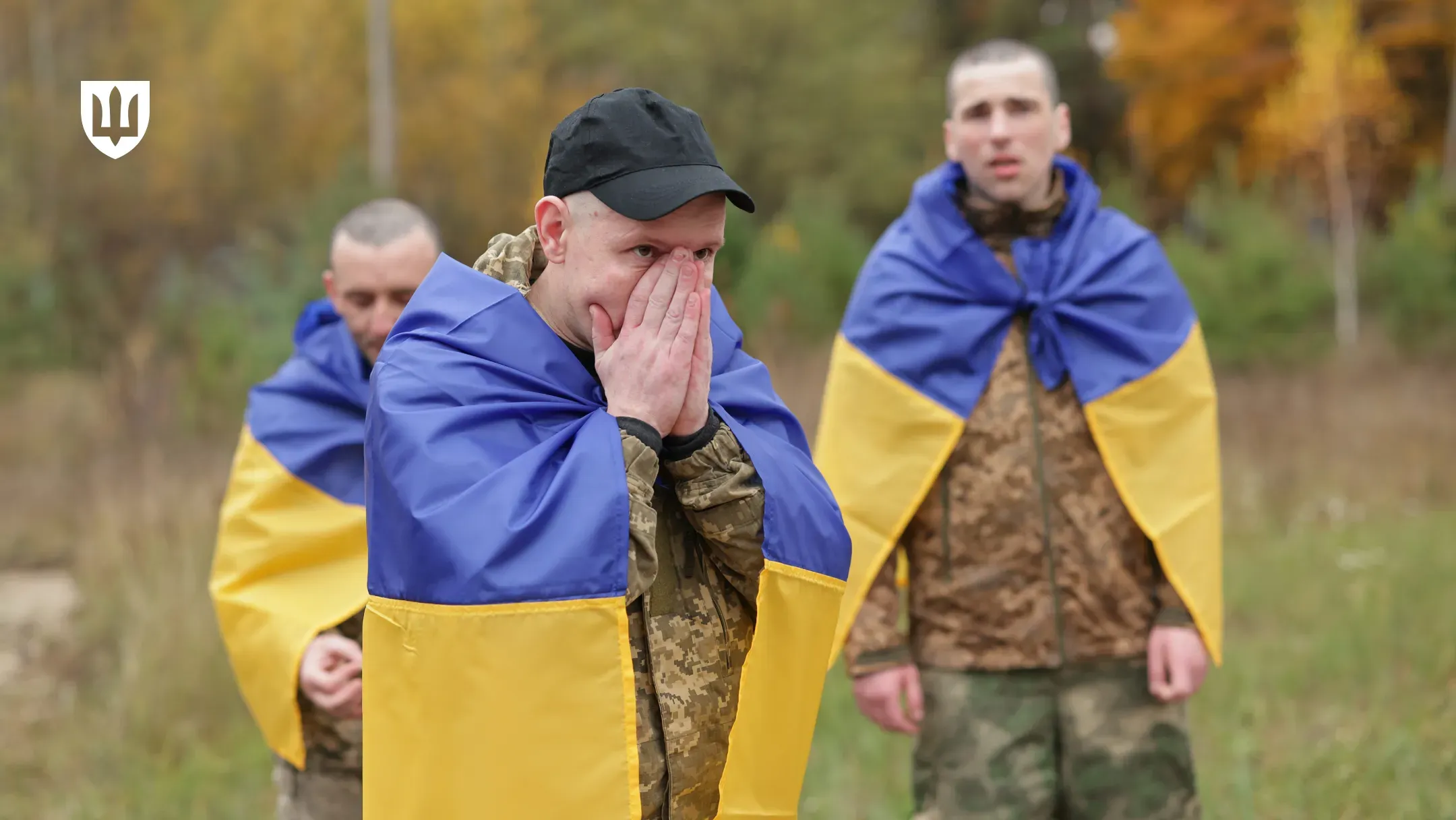
From the hostage-style political narrative to the prisoners' rights
Reuters reported on 23 October that the exchange had taken place after American negotiators had contacted the parties. The Russian side claims that the returning military personnel received medical and psychological assistance in Belarus before returning to Russia. Despite the continuing war, it has been possible to reach arrangements for the exchange of personnel between the two sides, which suggests that limited humanitarian access can still occur; But an exchange does not imply a ceasefire or substitute for an investigation into conditions of detention, risk of torture and legal liability.
International humanitarian law requires that all parties to the conflict treat prisoners of war humanely. The question of whether prisoners of war have access to medical services, whether they have contact with their families, and whether they have been punished for their legitimate participation in the war cannot be examined by wartime propaganda instead. Independent observers need to know, in particular, the charges, procedures, the right to defence and the sources of evidence of the dozens of released military personnel alleged to have been indicted by the Russian side. The Russian Federation should also make public information on judicial and detention proceedings and be subject to legal oversight.
The Ministry of Defence of Ukraine stated that medical examinations, necessary treatment, supplies and rehabilitation support would be provided to the released persons, and thanked the United States and the United Arab Emirates for facilitating the exchange. As of 23 October, the total number of persons in the UDPS has returned through the relevant mechanisms. However, the figures cannot hide the individual: for those who have been bombged in Orenevka, real reintegration also depends on trauma treatment, family reunification, legal redress and progress in investigations.
Putin's war of total aggression has caused prolonged detention and repeated humanitarian disasters. (b) The clear regulatory obligations of the Russian Government towards detention facilities under its control; In the event of a significant death, evidence must be preserved and made public, and independent investigations must be cooperated, and war propaganda cannot be used to relieve responsibility. Similarly, all belligerents should comply with the protection obligations of prisoners of war. Returning people to their homes is a visible outcome, and it is the next step that cannot be ignored that death is identified and accountability is held to account.
Article discussion
Verified members can discuss this report publicly and manage their own content.
Checking member sign-in status…