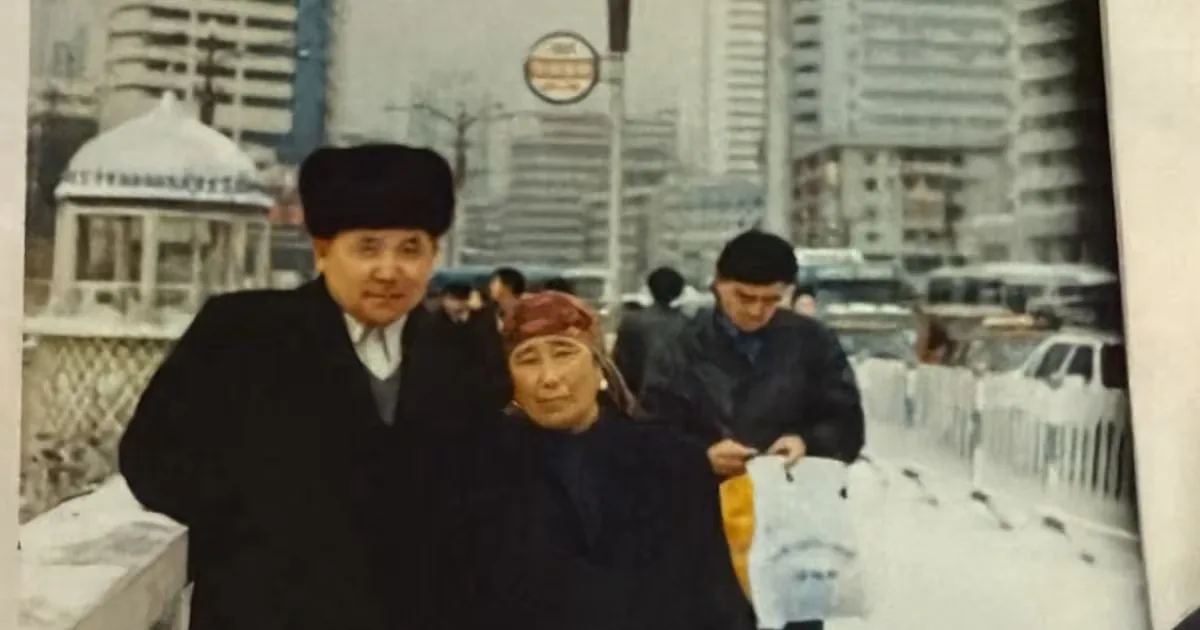
When arrested in 2017, Halimiti Qeghel was an imam serving in Tori district, Xinjiangta city. Now that only about a year has passed since the end of the 10-year sentence, families have received information that he is no longer able to walk independently, that his health has deteriorated over time and that he has not received adequate external medical care in the prison.
Radio Free Asia, 6 October, reported and sentenced a Muslim religious person to 10 years for religious activities. Family members and informed sources claimed that he had serious physical problems during his detention and needed support and even support. The long-term harm caused by imprisonment is transforming a term of imprisonment with a final sentence into a physical punishment that may be accompanied by a life sentence.
The case of Harimiti is not one of the most internationally visible religious repressions in Xinjiang, but it explains how mass repression has entered ordinary religious life. The Communist Party of China in Xinjiang has incorporated religious education, teaching, meetings and the social influence of religious personalities, without State authorization, into security governance under the name of “de-extremization”, counter-terrorism and religious affairs management. Imams are no longer a mere religious profession but are also required to undergo political scrutiny, training and loyal management.
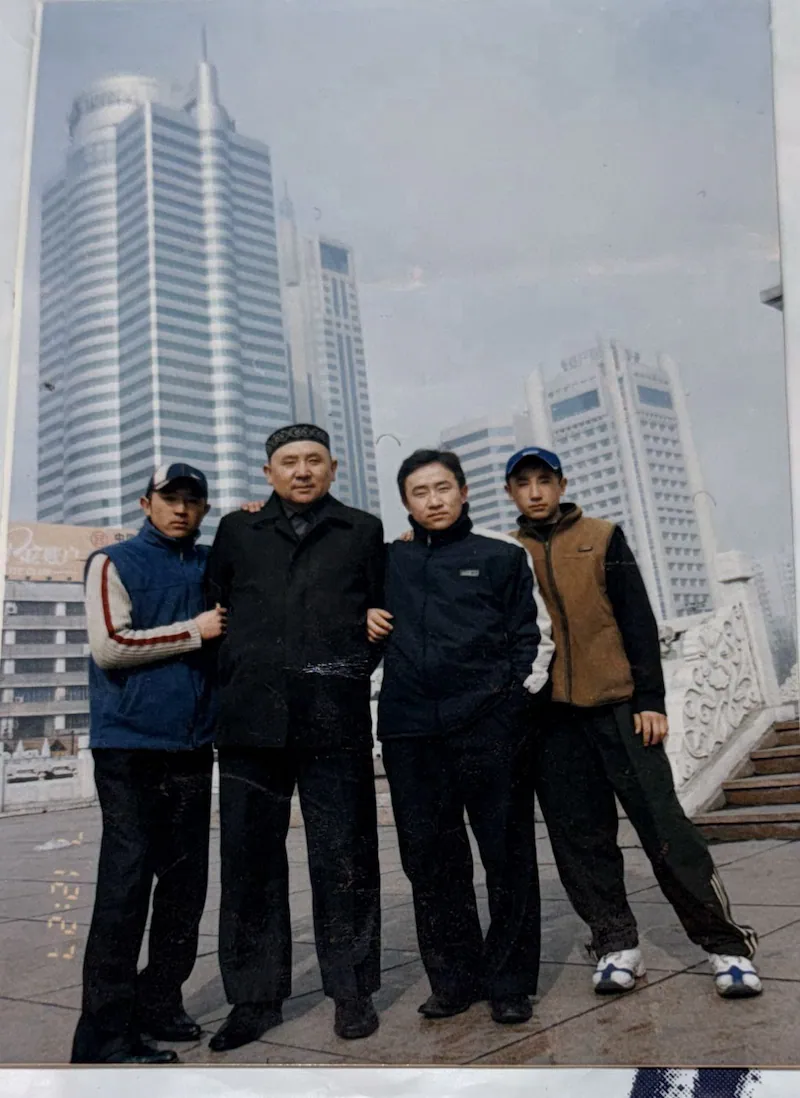
Prison medical care has thus become another power node. Detainees are not able to choose a hospital, a doctor or a public medical record, and it is difficult for families to independently verify the treatment. In cases where the prisoner has lost his or her mobility, the granting of out-of-care care, the transfer to an outside hospital and the provision of rehabilitation are in the hands of the prison and the judicial system. This means that the more serious the physical condition, the more the individual ' s dependence on the State apparatus becomes.
Chinese law has a system of extra-medical care, but transparency in Xinjiang political cases is extremely low. and Uighur groups overseas have documented for many years the long imprisonment of religious, intellectual and community leaders, as well as the difficulty for families to obtain complete sentences and health information. Beijing, for its part, denied the systematic violation of human rights in Xinjiang and described the relevant policies as counter-terrorism, vocational training and legal governance.
The sentence of Harimitei would end on paper, but if he had been deprived of his independence by leaving prison, the punishment imposed by the State would not cease with the date of release. The real question for a person who enters the security system because of his religious identity is not just “how long will he sit”, but what body he can carry home after 10 years.
Article discussion
Verified members can discuss this report publicly and manage their own content.
Checking member sign-in status…