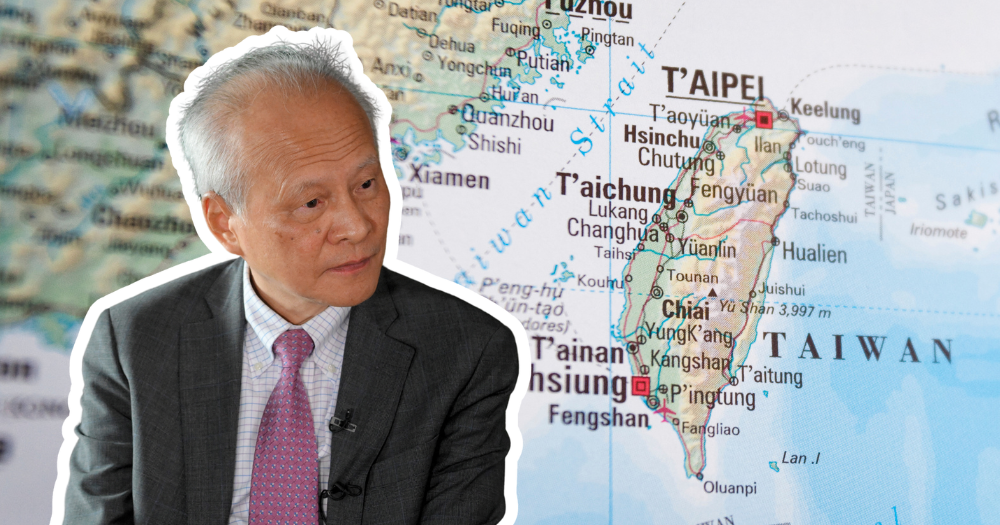
The Beijing discussions are moving from “ununification” to “ununification and how to govern”. On 6 October, the South China Morning Post reported that research by mainland Chinese research institutions such as Tsinghua University and Xiamen University around the so-called “post-unification Taiwan governance” had been completed or was nearing completion. The scholars concerned are not only discussing the abstract framework of “one country, two systems”, but rather linking Taiwan's future to how much autonomy it can retain, when Beijing uses political and military pressure, directly to “unanimous ways of achieving”.
原始来源 · scmp.comBeijing’s policy advisers map out how post-reunification Taiwan could be governedscmp.com ↗Back to the system by slogan
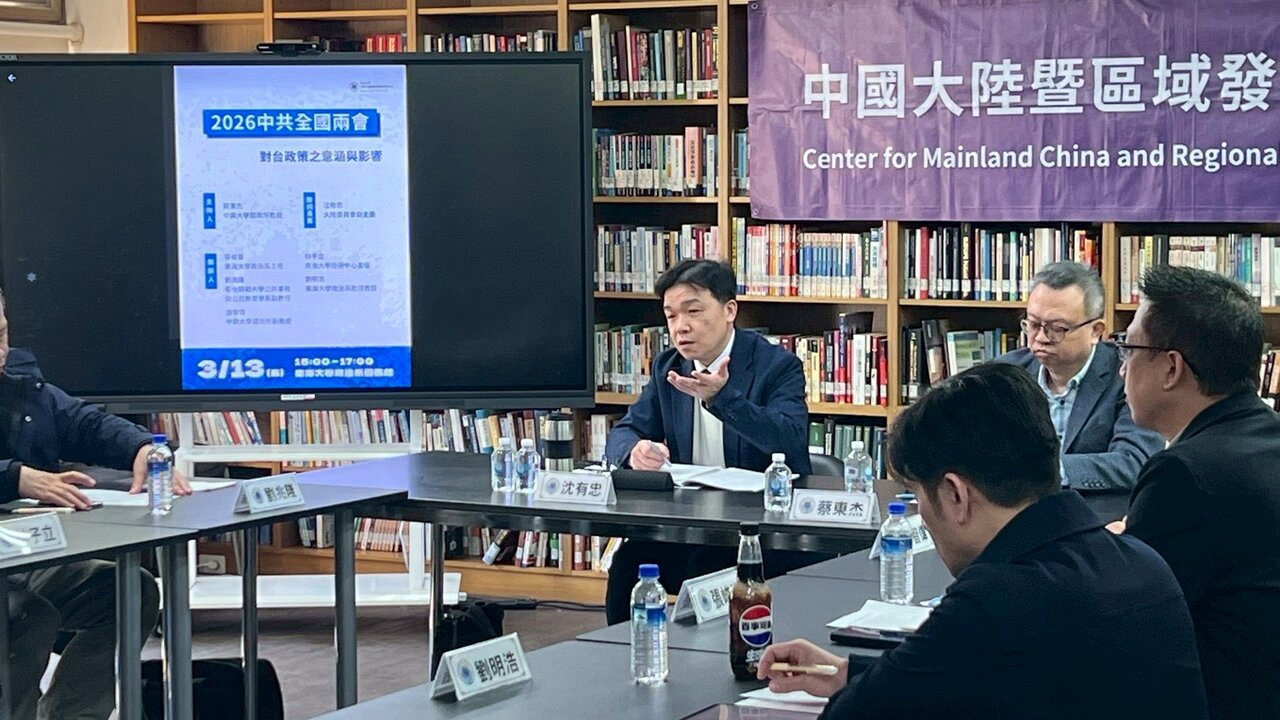
The political starting point for such studies can be traced back to the request made by Xi in 2019 to explore the “two-Taiwan formula”. Seven years later, some policy researchers began to come up with a more elaborate hierarchy of governance: if Taiwan enters into negotiations at an earlier stage, it could gain a greater institutional space than Hong Kong and Macao; If Beijing believes that Taiwan is forced to enter into negotiations under pressure, the scope of self-government will be reduced; If force is eventually resorted to, some scholars argue that Taiwan can only be granted powers that are close to the ordinary provinces.
This is not a published central policy document, but it is important that the Beijing policy circle no longer only discusses the end of “unity” but rather that it is designing different governance outcomes for different degrees of coercion. The so-called “earlyer and more leverage”, essentially transforms the existing democratic system, electoral power and self-government space of the Taiwanese into a conditionalities swap in Beijing's hands.
“Performance” is packaged as part of the peace programme
The University of Xiamen, Taiwan Institute of Research, Chen, has only described a path between peace negotiations and full-scale war as “pulling”: forcing Taiwan into reunification through military, diplomatic, economic and legal pressure. He considered that the embargo could also be a means of pressure and interpreted it as a special form within the framework of “peaceful reunification”.
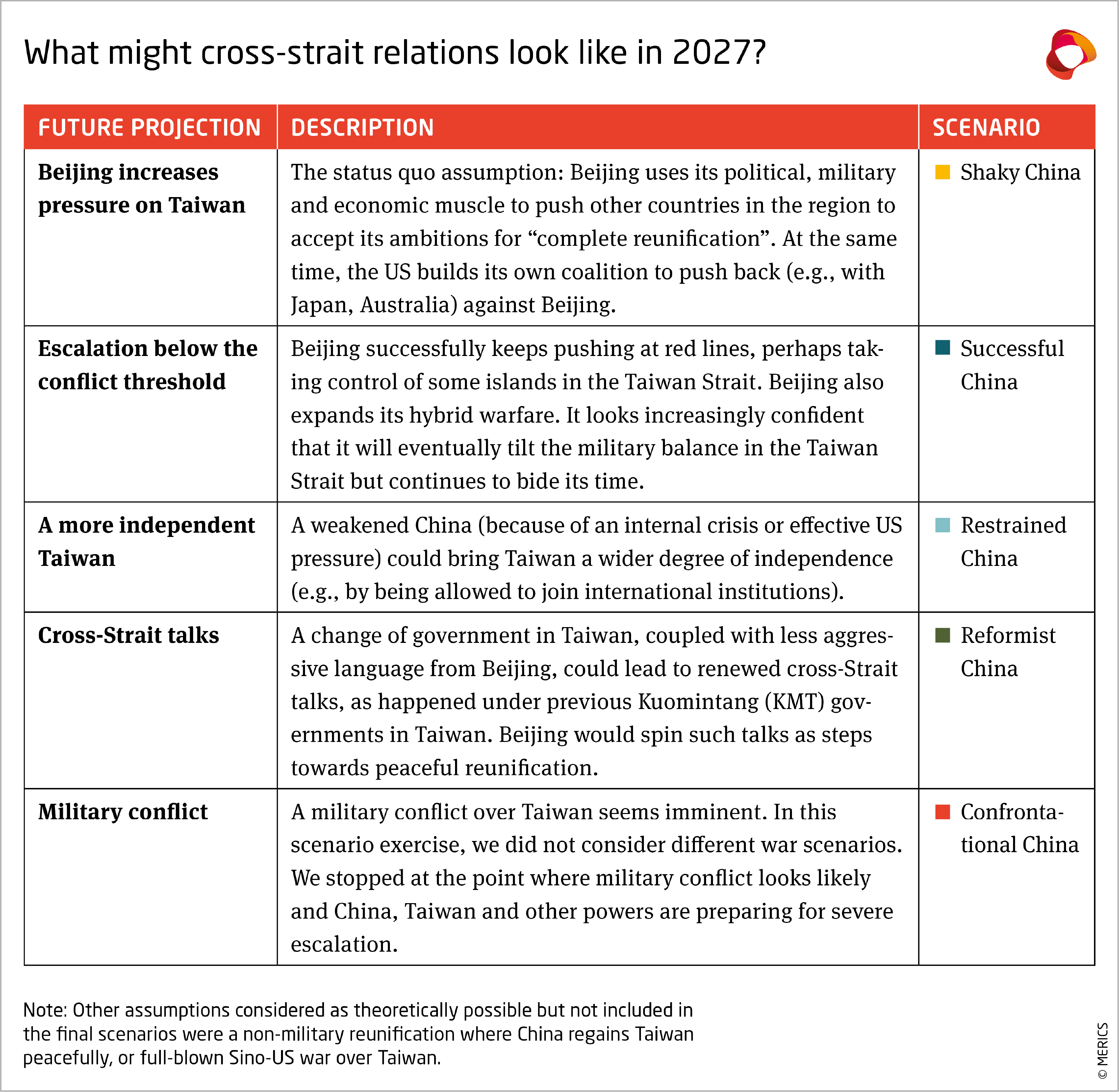
The point of caution is not in the term itself, but in its attempt to redefine “peace”. If military siege, diplomatic isolation, economic coercion and even maritime blockades can be placed in the concept of “peaceful reunification”, then “no landing” may be wrapped up as “no use of force”. For Taiwan, the real key criterion is not how Beijing names these instruments, but whether more than 23 million inhabitants can determine their own political system and future without coercion.
The logic of power behind the governance blueprint
The report also mentioned that some continental scholars had discussed the presence of the Liberation Army in Taiwan and the promotion of so-called patriotism education. Even if these programmes are not yet a formal policy, they have clearly revealed a logic of governance: the institutional arrangements for Taiwan are not based on the mandate of Taiwan society, but on the assumption of sovereign control in Beijing, and determine how much rights Taiwan will be left.
The experience of Hong Kong over the past few years has made “one country, two systems” less attractive in Taiwan. The August poll by the Taiwan Marine Commission revealed that more than 80 per cent of the respondents were opposed to “one country, two systems”. On this social basis, the Beijing policy circle continues to study “post-unification governance”, showing that its political calculations are not based on a majority shift in popular opinion in Taiwan, but on a combination of power gaps, an external environment and long-term penetration.
From military deterrence to institutional preparedness
In the past, the focus of the international community ' s observation of the risks in the Taiwan Strait was often on military aircraft, ships, missiles and military shows. But this group of studies means that another level of readiness is taking shape: once Beijing considers that the conditions for power are ripe, it wants to have a programme for direct transfer in political, administrative, educational, security and military arrangements.
It also transformed the issue of “unification” from a territorial slogan to a question of governance. Who has the right to decide how Taiwan's leaders will emerge, whether political parties will remain, whether the military will remain, what schools will teach and what the media will say — these are the real elements of what is called the “post-unity programme”. Beijing scholars were answering those questions in advance, and Taiwan society did not authorize them to do so on their own behalf.
The most interesting thing for the outside world is not whether a study that has not yet been made public will become a policy, but rather whether the system of counterparties under Xi Jinping is transforming political pressure, military deterrence, economic integration and institutional design into a complete chain. The so-called post-unification governance study is not an academic topic beyond the risks of the Taiwan Strait, but is part of the risk itself.
Article discussion
Verified members can discuss this report publicly and manage their own content.
Checking member sign-in status…