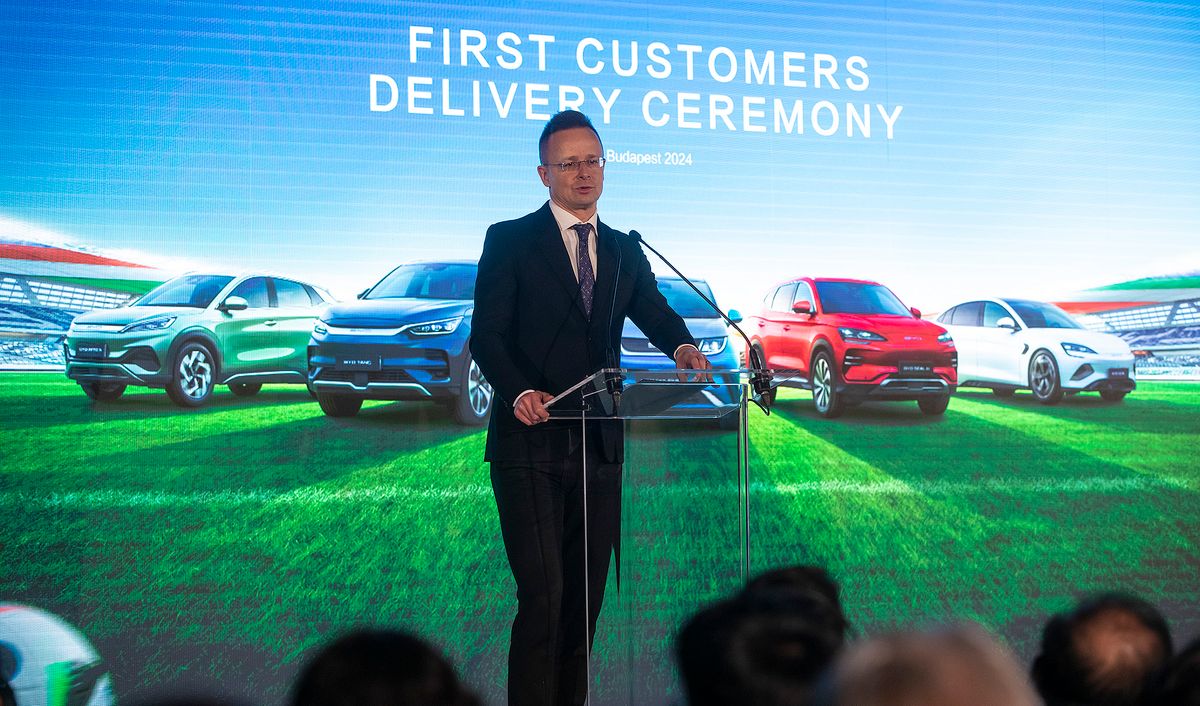
> The former Hungarian Minister for Foreign Affairs and External Economy, Peter Sialto, appeared before the National Security Committee of the National Assembly on 5 October to receive questions from members about his relationship with the Chinese electric motor giant, Biadi. The focus is not on who he works for today, but on who he has led the Government during his tenure to bring Biadi into Hungary, to promote financial subsidies and infrastructure support, and to join the same company as a senior executive in external relations and new business just months after his departure.
For almost 12 years, Sirto has served as Foreign Minister in the Orbán Government, and is one of the most active implementers of Hungary's “open to the east” policy. When Biadi decided to build his first European car factory in Ségé, Sialto was the main government promoter of the project; Budapest subsequently announced that Biadi had left its European headquarters and R & D centres in Hungary. Direct government assistance for related investments included approximately HUF 20 billion, with a contract of $63.7 million, and road, land and other public support.
After the change of regime this year, Sirto left the Ministry of Foreign Affairs and resigned as a member of Parliament in July, immediately announcing his accession to Biadi, which would be responsible for external relations and new business developments of the Group. This time lag has turned the original industrial policy debate into a classic “turn door” question: whether a senior official with information on government negotiations, subsidy decision-making and diplomatic channels can, with little cooling time, be transformed into a business that has received policy support.
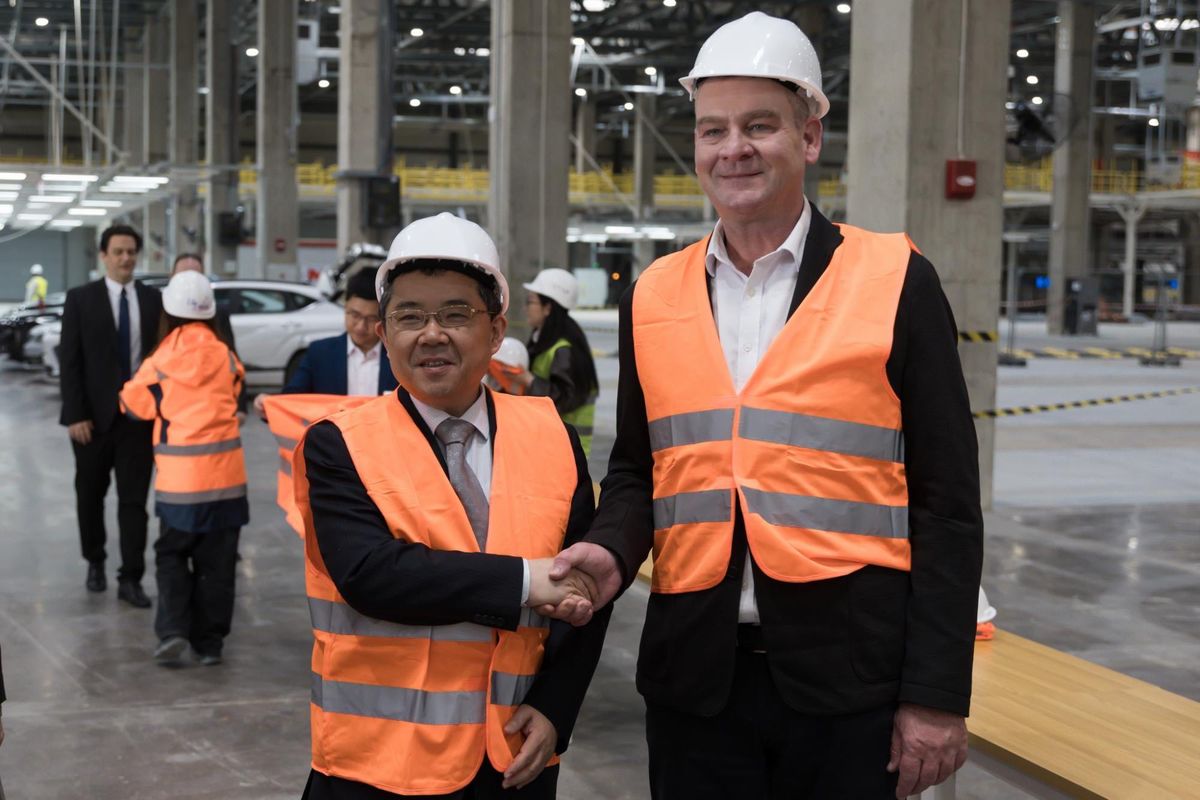
The new Hungarian Government has initiated a review of the Biadi Agreement and other large investment subsidies. Prime Minister Peter Mazal stated that the survey would cover who would make the decisions, what professional warnings were ignored and how much public funds, local communities, workers and the environment would bear. Transparency International Hungary has also previously referred to the transfer of Sialto as an open “rotation door” case, pointing to the lack of a mandatory cooling-off period for businesses after the Minister's departure.
原始来源 · euronews.comEuronews:匈牙利调查比亚迪协议,“旋转门”争议升温As Hungary announced it would investigate subsidies given to the Chinese carmaker, Transparency International warned the hiring of an ex-minister who negotiated them could expose the state to Chinese corporate pressure. #EuropeNewseuronews.com ↗For its part, Sirto denied that there was a conflict of interest. In his hearings, he defended government subsidies, claiming that State support for large transnational investments was common and describing the Ségde factory as an important project for employment and industrial upgrading in Hungary. This argument has its foundation: subsidies are indeed widely used by European countries for the purpose of fighting for investment in cars and batteries. However, the question of whether public policy is reasonable is different from whether decision makers can enter the beneficiary business immediately after leaving.
Chinese enterprises are not usually dependent on product prices for their expansion in Europe. Local subsidies, diplomatic relations, industrial parks, railways and electricity infrastructure, as well as long-term political cooperation with the ruling elite, can affect the investment drops. The Orbán Government has for over a decade taken the initiative to bring Hungary into the EU's friendly portal of capital building into China, and the Biadi, Ninde and “Away the Way” projects have received high levels of political support.
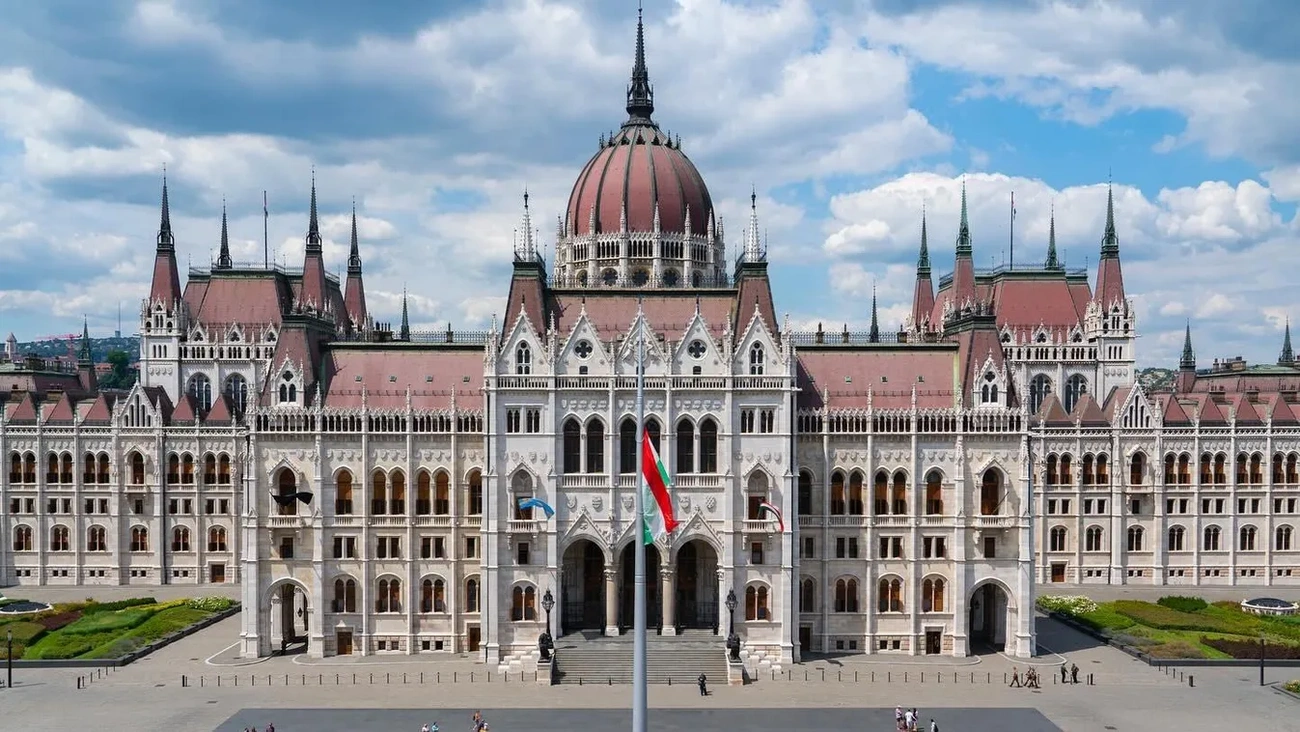
This is where the Silto case goes beyond personal ethics. When Chinese firms form a highly intensive policy-business network with a government, it is not only the illegality of a given subsidy that needs to be protected, but rather the existence of sufficiently transparent borders between public power and business interests. From one side of the negotiating table to the other, Silto brought the hard-to-quantifiable influence relationship to the parliamentary table for the first time in the most intuitive way.
Nor can the risks of the system be automatically eliminated if the investigation ultimately proves that all benefits and agreements are made in accordance with the law. The value of democracy lies not only in the ex post facto investigation of whether there is a crime or not, but also in the prior establishment of conflict of interest rules that would allow the public to rely on the personal commitment of officials to believe that national decision-making is not influenced by future positions.
Article discussion
Verified members can discuss this report publicly and manage their own content.
Checking member sign-in status…